Bamboo Fabric Pet Carriers: Sustainable Material Guide
Bamboo-derived fabric works best as a comfort surface rather than a structural shell: MOQ 500 pieces per colourway, samples in 6-10 working days and bulk in 35-50 days. The practical specification is a bamboo viscose or lyocell blend used for the lining, the pad cover and the handle wrap, on a conventional or recycled structural shell.
Executive summary
Bamboo is a fibre source, not a single fabric. What reaches the sewing line is usually a regenerated cellulosic: bamboo viscose, bamboo lyocell or a blend of either with cotton or polyester. Each has a different environmental profile and a different performance, so the specification has to name the process rather than the plant.
Where bamboo earns its place is comfort. The fabrics are soft, cool to the touch and manage moisture well, which makes them excellent for linings, pad covers and any surface that touches the animal. They are not high-abrasion materials, so the structural shell should be specified separately.
Programme terms are the standard set: MOQ 500 pieces per colourway, samples in 6-10 working days, bulk in 35-50 days, inspection at AQL 2.5, T/T 30/70 and FOB Xiamen. Our production team confirms the fibre and process declaration before bulk and holds the safety test report against the finished article.
- Specify the process, not the plant: bamboo viscose and bamboo lyocell behave and certify differently.
- Use bamboo on comfort surfaces and a stronger substrate on high-wear zones.
- Claims about bamboo's natural properties need substantiation at article level, not at fibre level.
Every custom dog carrier we develop is quoted against the same three variables - fabric weight, hardware grade and print method - before the first sample is cut.
What bamboo fabric actually is: viscose, lyocell and blends
Bamboo fabric is a regenerated cellulosic fibre. The bamboo is pulped, and the cellulose is dissolved and extruded back into filament. The plant is the feedstock; the process determines what the fabric is. That distinction matters because the two dominant processes have quite different environmental profiles and quite different performance, and a specification that only says bamboo is not a specification at all.
Bamboo viscose is the conventional route, chemically similar to viscose made from any cellulose source. It produces a soft, drapey fabric with good moisture handling. The process uses chemicals that are recovered in a closed loop in modern mills, and the environmental question is how well that loop is managed rather than what the feedstock was.
Bamboo lyocell uses a different solvent system with higher recovery rates and generally a lower effluent load. It produces a fabric with a slightly crisper hand, better wet strength and a stronger sustainability story. It also costs more and is available in fewer constructions, which is a real constraint at MOQ 500.
Mechanically processed bamboo, sometimes marketed as bamboo linen, exists but is niche. It has a coarser hand and different performance characteristics, and it is rarely available in the volumes a carrier programme needs. Treat it as a speciality option rather than a default.
Blends are the practical majority. Bamboo and cotton blends balance softness with strength; bamboo and polyester blends add durability and reduce shrinkage. A blend also changes the claim, because the bamboo percentage has to be stated rather than implied.
Certification follows the article rather than the plant. Textile safety standards such as OEKO-TEX test the finished fabric for substances of concern, which is the only reliable way to know what the fabric contains after pulping, spinning, dyeing and finishing.
Availability differs sharply by route. Bamboo viscose in standard jersey and terry constructions is widely produced and easy to source at MOQ 500, while lyocell grades and custom blends may carry fabric minimums and longer lead times. Confirming which route is available before design freeze is the step that keeps the sampling window intact.
Finally, ask the mill for a process declaration. Knowing which route produced the fibre, and whether the mill operates a closed-loop system, is what allows a brand to say something accurate about the material rather than something inherited from marketing language.
Where bamboo works in a pet carrier: lining, padding, trim
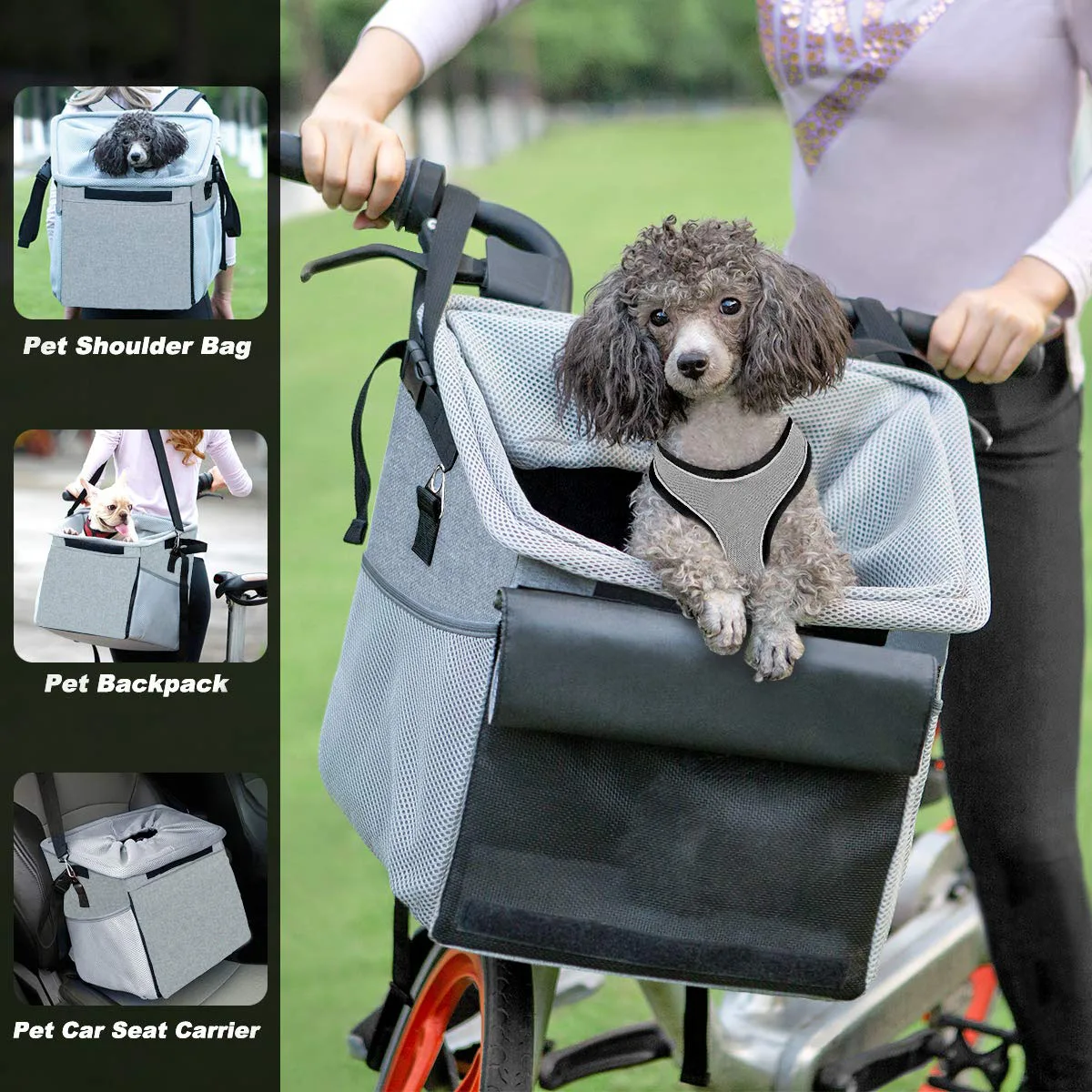
Bamboo-derived fabrics belong on comfort surfaces. The lining is the primary application: it is the surface the animal lies against, it is where softness and moisture handling are most valuable, and it is protected from abrasion by the shell. A bamboo lining is the single highest-return use of the material in this product category.
Pad covers are the second application. A removable pad with a bamboo cover takes the full benefit of the fabric's thermal and moisture behaviour, and because the cover is removable it can be washed more gently than the carrier itself. This also makes replacement easy, which extends the life of the product.
| Placement | Why it suits bamboo | Risk | Recommended construction | Cost impact |
|---|---|---|---|---|
| Interior lining | Softness and moisture handling next to the animal | Low, protected by shell | Bamboo-cotton blend, 150-220 gsm | Moderate |
| Removable pad cover | Full comfort benefit, washable separately | Low, replaceable | Bamboo terry or jersey | Moderate |
| Handle wrap | Pleasant in the hand, cools contact | Moderate, hand oils and abrasion | Bamboo blend over a core webbing | Low |
| Shoulder strap facing | Comfort against clothing | Moderate, friction | Blend facing on polyester webbing | Low to moderate |
| Shell panel | Visual and tactile distinctiveness | High, abrasion and soiling | Heavy blend or canvas only | High |
| Interior pocket | Consistent material story | Low | Match the lining | Low |
Handle wraps and strap facings are the third application and an underrated one. The handle is the part the owner touches continuously, and a bamboo blend facing over a structural webbing core gives the comfort benefit without putting the fabric in a structural role. This is a low-cost, high-perception use.
Shell panels are the application to be careful with. Bamboo fabrics generally lack the abrasion resistance a carrier exterior needs, and they soil more readily. Where a brand wants the look on the outside, a heavy bamboo-canvas blend with a protective finish is the minimum sensible specification.
Trim and small details complete the story. A bamboo-blend binding, a pad piping or a pocket facing in the same material creates coherence without exposing the fabric to wear. These small placements are cheap and make the material choice legible.
The general rule is simple: bamboo where softness is felt, another substrate where strength is needed. Programmes that follow that rule get the benefit of the material without the returns that come from using it in the wrong place.
Hand feel, moisture behaviour and thermal comfort
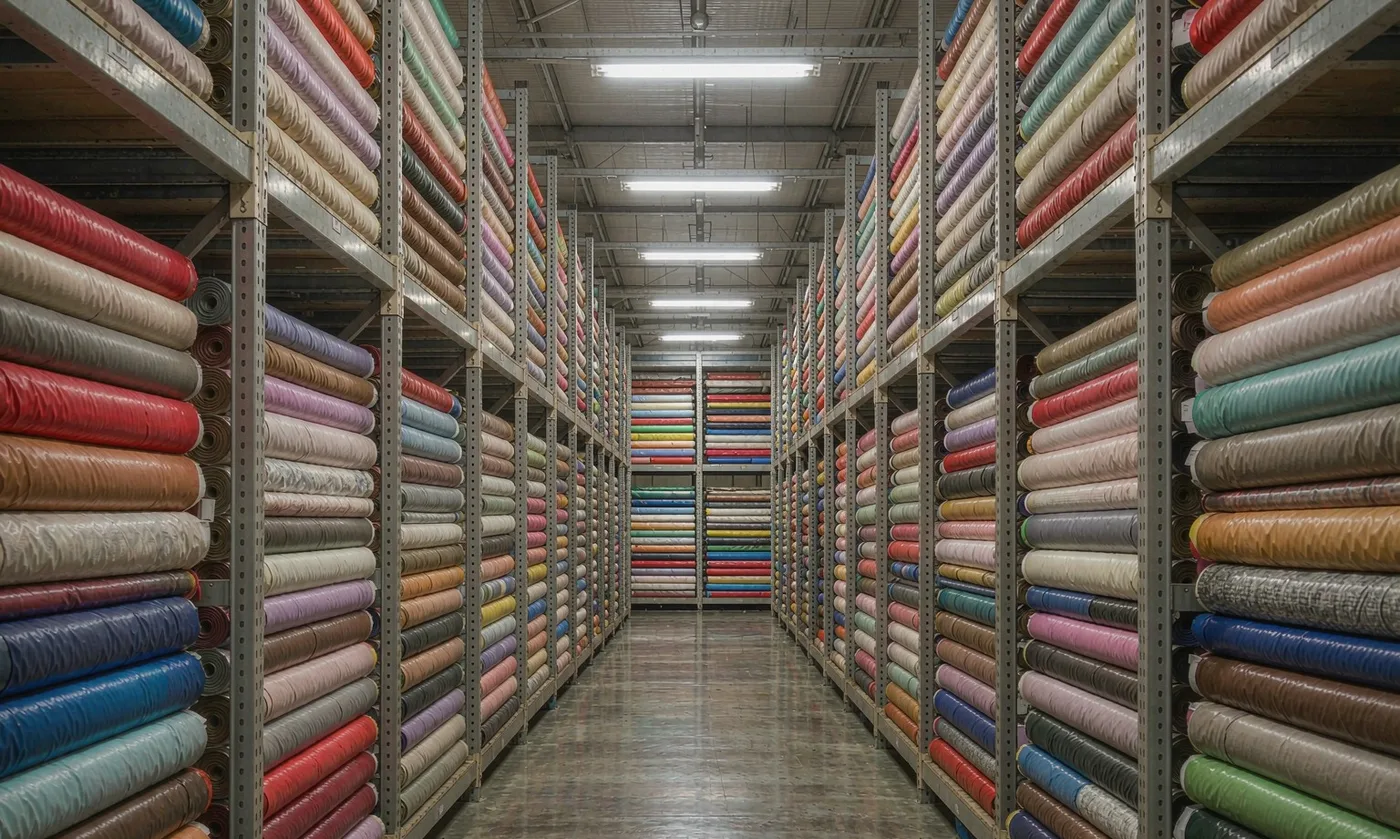
The reason to specify bamboo is sensory. The fabrics have a cool, smooth hand that reads immediately as different from both cotton and polyester, and that difference is the commercial argument. Customers recognise it on contact, which is unusual for a material choice in this category and worth designing around.
Moisture behaviour is the functional half. Regenerated cellulosics absorb and release moisture well, which reduces the clammy feel that synthetic linings produce in warm conditions. For an enclosed product carrying a warm animal, that makes a measurable difference to comfort during long journeys.
Thermal behaviour follows from the same property. A fabric that moves moisture well also feels cooler in warm conditions, and bamboo fabrics are consistently described as cool to the touch. In a summer product or in a warm climate, this is a genuine selling point rather than a marketing adjective.
Drape is another characteristic worth using. Bamboo fabrics drape softly and follow the shape of the product rather than fighting it, which suits linings and pad covers particularly well. It also means the fabric needs less persuasion during sewing, though it can be slippery to handle.
Surface appearance is smooth and slightly lustrous. That reads as premium in interior photography and pairs well with matte natural shells. It is less suited to a technical or sporty aesthetic, where a matte synthetic reads more appropriately.
Odour retention is better than many synthetics and comparable to cotton. Combined with moisture handling, this makes bamboo a sensible choice for products that will be used frequently and cleaned occasionally. It does not remove the need for a washable, removable cover.
Finally, the hand should be confirmed on a physical swatch rather than a specification sheet. The difference between a bamboo viscose and a bamboo lyocell is obvious in the hand and invisible in a data table, and the choice between them is largely a sensory one.
Durability, care and dimensional stability
Bamboo fabrics are moderate in durability. They are adequate for linings, pad covers and facings, and inadequate for high-abrasion exteriors. Specifying them within that envelope avoids almost every performance problem associated with the material.
Wet strength is the specific weakness of the viscose route. Bamboo viscose loses strength when wet, which matters both during washing and during use if the lining gets soaked. Bamboo lyocell has better wet strength and is the safer choice where the product will be washed regularly.
Shrinkage and dimensional stability need testing rather than assumption. Regenerated cellulosics can shrink and can relax differently from cotton, and a lining that shrinks faster than the shell will pull the product out of shape. Testing a washed sample at sampling stage is the control.
Pilling is the appearance risk. Softer cellulosic surfaces can pill under friction, particularly in blends with synthetic content. Choosing a tighter construction, specifying a blend with adequate strength and testing abrasion resistance reduces the risk considerably.
Washing behaviour should define the care label. Gentle washing, moderate temperature and thorough drying suit these fabrics; aggressive washing and high heat do not. The care label should state what the fabric survives, based on tests rather than on preference.
Standard test methods provide the reference. Colour fastness to washing, rubbing and light, together with dimensional change after washing, are the relevant checks, and methods published by AATCC are the common basis. Independent verification through SGS produces a report a retailer can file.
Seam behaviour deserves a specific check. Lightweight cellulosic linings can slip at the seam or pucker under a heavy thread, and a lining seam that fails is the most common workmanship complaint in this category. Testing seam strength on the assembled construction, with the production thread and stitch density, is a small step that prevents a large problem.
Finally, plan for replacement. A removable, washable, replaceable pad cover in bamboo fabric turns the material's main weakness into a service advantage, because the part that wears is the part that can be replaced.
Environmental claims and what can be substantiated
Bamboo's environmental story has two parts and only one of them is strong. The agricultural part is genuinely good: bamboo grows quickly, requires little water, needs no replanting and generally needs little pesticide. The processing part is more complicated, because turning bamboo into fibre is a chemical process with real inputs.
The gap between those two parts is where claims go wrong. Saying a product is made from a fast-growing renewable resource is supported by the agriculture. Saying it is environmentally friendly because of the plant ignores the processing, and that is the statement regulators have challenged in this category.
Antibacterial claims deserve particular caution. It is sometimes said that bamboo fabric is naturally antibacterial. Any such claim on a finished textile is a regulated statement in most markets and requires test evidence on the finished article. Without that evidence, the claim should not appear.
Biodegradability claims need the same care. A regenerated cellulosic can be biodegradable under the right conditions, but a finished carrier contains coatings, hardware, foam and thread that are not. A claim about the fabric cannot be extended to the product.
What can be said safely is specific and still persuasive: the fibre source, the percentage, the process where the mill has declared it, and the safety certification held for the finished article. Those four statements are accurate, verifiable and more credible than a general environmental assertion.
Documentation should be collected at specification stage. Fibre declaration, process statement from the mill, safety test report on the finished fabric and the inspection report for the run together form the file, in the same structure described in our guide to eco line material planning.
Retailer expectations are worth checking early. Several large pet and lifestyle retailers maintain their own restricted substance and claims policies, and a bamboo claim accepted by one may need different documentation at another. Asking for the policy at pitch stage is cheaper than resubmitting documentation later.
Finally, review copy against the file before print. Bamboo attracts scrutiny precisely because it has been overclaimed, and a brand with accurate, specific language stands out favourably against that background.
Cost and specification comparison
Bamboo-derived fabrics sit above commodity cotton and polyester in cost and below speciality natural fibres such as hemp canvas or cork. The lyocell route costs more than the viscose route, and blends shift the price according to the partner fibre. Costing the specific construction rather than the category is the only reliable method.
| Material | Hand feel | Moisture handling | Abrasion | Cost index | Best role |
|---|---|---|---|---|---|
| Bamboo viscose | Very soft, cool | Excellent | Low to moderate | 140-170 | Lining, pad cover |
| Bamboo lyocell | Soft with body | Excellent | Moderate | 165-200 | Washable linings, pad covers |
| Bamboo-cotton blend | Soft, natural | Very good | Moderate | 130-160 | General linings |
| Bamboo-polyester blend | Soft with resilience | Good | Moderate to high | 125-155 | Higher-wear linings |
| Organic cotton jersey | Soft, warm | Good | Moderate | 120-150 | Pad covers |
| Recycled polyester lining | Smooth, technical | Moderate | High | 105-125 | Durable linings |
The comparison suggests a clear allocation. Bamboo wins on hand feel and moisture handling, matches cotton on softness and beats it on coolness, and loses to recycled polyester on abrasion and cost. Selecting by placement rather than by category produces the best result.
Minimum quantities are usually manageable. Bamboo blends in common constructions are produced at scale, and 500 pieces per colourway is not an obstacle. The exception is a custom construction or a specific lyocell grade, where a fabric minimum may apply.
Lead time follows the same pattern. Standard bamboo blends are available within the normal sampling and bulk windows; unusual grades add sourcing time before either clock starts. Confirming availability before design freeze remains the reliable safeguard.
Finally, compare at product level. A bamboo lining adds cost but may allow a simpler pad construction, or reduce the need for ventilation inserts, or justify a price premium that exceeds the cost. Those second-order effects usually decide whether the specification is worth it.
Blending bamboo with structural fabrics
Blending is how bamboo becomes practical. A bamboo and cotton blend keeps most of the softness and moisture behaviour while gaining strength, stability and a more familiar sewing behaviour. It is the most common specification for linings in this product category.
A bamboo and polyester blend trades a little softness for durability and dimensional stability. It suits products that will be washed often, or linings in high-contact areas such as the base of the carrier. It also reduces shrinkage risk, which simplifies the care label.
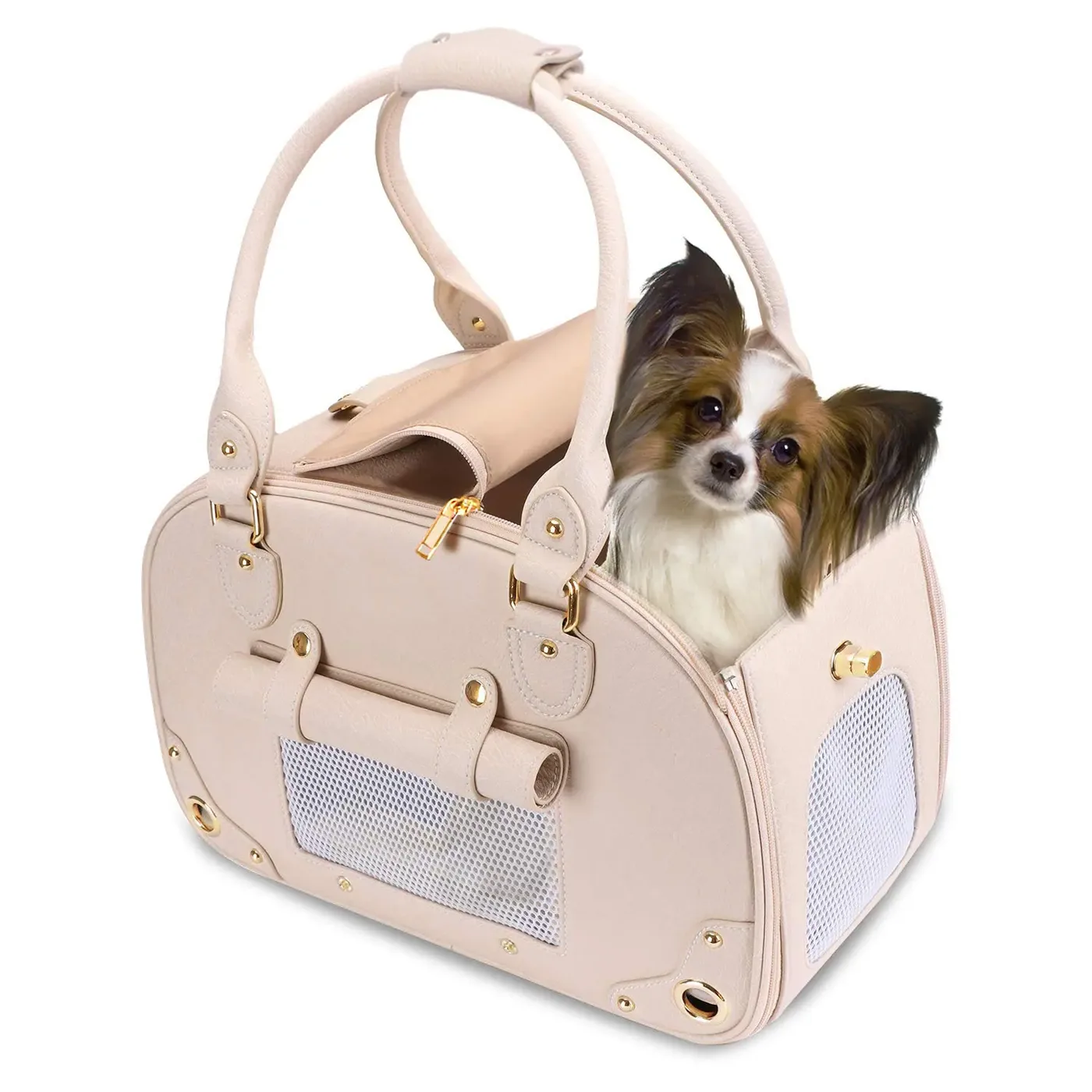
Combining bamboo with a structural shell is the more important decision. A bamboo lining on a recycled polyester shell is a coherent specification: performance on the outside, comfort on the inside, and two separate claims that can each be documented. This pairing is the most common structure in eco carrier programmes.
Pairing with natural shells works too but needs care with shrinkage. If a cotton or hemp shell shrinks at a different rate from a bamboo lining, the product will distort after washing. Matching shrinkage expectations across the two substrates is the control.
Interlining and bonding need testing. Bamboo fabrics can be sensitive to heat and pressure during fusing, and a lining bonded to a stiffener may change hand or show strike-through. Testing the bonded construction at sampling avoids a problem that only appears in production.
Thread and needle selection matter with fine cellulosics. A thread that is too heavy or a needle that is too large will pucker a lightweight bamboo lining. Confirming the sewing setup on the actual fabric is a small step that protects the finished appearance.
Finally, test the combination rather than the components. Abrasion between the lining and the base, colour transfer between a dark shell and a pale lining, and dimensional change after washing are all interface effects that only appear when the materials are assembled.
Positioning bamboo in the eco line
Bamboo works best as a comfort tier within an eco line rather than as the headline material. Its story is easy to understand but harder to substantiate than recycled content, so the strongest programmes lead with a recycled or certified shell and use bamboo as the comfort layer that customers feel.
Price positioning should be upper-middle. The material costs more than commodity linings and delivers a perceptible benefit, which supports a premium without requiring the full luxury treatment. Positioning it as the cheapest option in the range wastes both the cost and the story.
Communication should focus on what the customer experiences: softness, coolness, moisture handling. Those are true, verifiable and felt immediately. Broader environmental assertions should be stated carefully, with the fibre source and percentage rather than a general claim.
Sampling to customers matters for this material. A bamboo lining is a tactile argument, and a swatch card, a lining sample in the packaging or a detailed product photograph conveys it better than text. Very few brands invest here and the return is disproportionate.
Accessories extend the position cheaply. A pad cover, a blanket or a pouch in the same bamboo fabric lets a customer build a matching set and deepens the relationship after the first purchase. These items are also the lowest-risk way to test the material with a market.
Reorder planning is straightforward for standard blends. Holding a shade and hand reference, and ordering the lining with the shell, keeps re-orders quick and consistent, which matters because the hand of the fabric is part of what the customer bought.
Competitive context matters as well. Bamboo appears in many pet textile products, often with loose claims, and a brand that documents its specification properly can differentiate on credibility alone. Treating the certificate file as a marketing asset rather than as compliance overhead is the mindset that gets value from it.
Finally, review the claim annually. Standards, mill declarations and market expectations in this category move faster than in most, and a claim that was defensible two seasons ago may need new documentation. An annual review against the certificate file is a small discipline with a large protective effect.
Four checks before releasing a bamboo specification
Four checks: the process declared by the mill, the fibre and blend percentage, the safety test report on the finished fabric, and dimensional change after washing tested on the assembled product. Releasing without all four risks both performance complaints and a claim that cannot be supported.
Order and quality terms
- MOQ 500 pieces per colourway; samples in 6-10 working days
- Bulk production 35-50 days after approval; AQL 2.5 inspection standard
- T/T 30/70 terms, FOB Xiamen, full document set per shipment
People Also Ask
What is bamboo fabric made of?
Regenerated cellulose from bamboo pulp, produced by the viscose or lyocell process and often blended with cotton or polyester. The plant is the feedstock; the process defines the fabric.
Is bamboo fabric good for pet products?
Yes for comfort surfaces. It is soft, cool and manages moisture well, which suits linings and pad covers better than high-abrasion exteriors.
Is bamboo more sustainable than cotton?
The agriculture is strong: fast growth, low water, little pesticide. The processing is chemical, so the honest answer depends on the mill's process and recovery system.
Does bamboo fabric keep pets cool?
It helps. Regenerated cellulosics move moisture well and feel cool to the touch, which improves comfort in warm conditions compared with synthetic linings.
How do you wash bamboo fabric?
Gently, at moderate temperature, with thorough drying. The care label should be based on dimensional change testing rather than on assumption.
What is the difference between bamboo viscose and lyocell?
Lyocell uses a solvent system with higher recovery, producing better wet strength and a stronger process story at higher cost and lower availability.
Can bamboo be used with recycled polyester?
Yes, and it is a common pairing: a recycled shell for performance and abrasion, a bamboo lining for comfort, with each claim documented separately.
Frequently Asked Questions
What is the MOQ for a bamboo fabric pet carrier?
MOQ is 500 pieces per colourway. Standard bamboo blends are produced at scale; custom constructions or specific lyocell grades may carry a fabric minimum.
Is bamboo fabric the same as bamboo viscose?
Usually. Bamboo is the feedstock and the fabric is a regenerated cellulosic made by the viscose or lyocell process. The specification should name the process.
Can bamboo fabric be used for the outer shell?
It can, but it is not ideal. Bamboo fabrics are moderate in abrasion and soil more readily, so a heavy blend with a protective finish is the minimum sensible exterior specification.
Where does bamboo work best in a carrier?
On comfort surfaces: the interior lining, a removable pad cover, a handle wrap or a strap facing, with a stronger substrate used for structural and high-wear zones.
Is bamboo fabric antibacterial?
Any such claim on a finished textile needs test evidence on the finished article. Without that evidence the claim should not appear on the product.
How does bamboo compare with cotton for linings?
Bamboo is softer and cooler with better moisture handling; cotton is warmer and slightly more robust. Blends of the two are common and balance both.
Does bamboo fabric shrink in washing?
It can. Dimensional change should be tested on the assembled product, because a lining that shrinks faster than the shell will distort the carrier.
How long does a bamboo programme take?
Sampling takes 6-10 working days and bulk 35-50 days for standard blends. Speciality grades add sourcing time before either clock starts.
Can bamboo be blended with polyester?
Yes. A bamboo-polyester blend improves durability and dimensional stability at a small cost to softness, and suits frequently washed products.
What certification should bamboo fabric have?
Safety testing on the finished fabric, plus a fibre and process declaration from the mill. Together they support an accurate statement about content and safety.
Is bamboo fabric biodegradable?
The fabric may be under the right conditions, but a finished carrier contains coatings, hardware and foam that are not. The claim applies to the fabric, not the product.
How should a bamboo carrier be cleaned?
Gentle washing, moderate temperature and thorough drying, as defined by testing. A removable, washable pad cover is the most practical design answer.
Where should bamboo sit in the range?
In the upper-middle of an eco line, as a comfort tier supported by a documented recycled or certified shell rather than as the headline material.
Talk to QUANZHOU JUNYUAN BAGS about a pet carrier program: MOQ 500 pieces per colourway, samples in 6-10 working days, bulk production in 35-50 days under AQL 2.5 inspection.
Get a free quote Request a sample