University: College Merchandise
Customised pet carrier work differs from stock buying in one respect: the pattern is graded to your size ladder and held on file for reorders.
What makes collegiate merchandise a different discipline
A licensed university programme operates under constraints that ordinary private label work does not have, and understanding them before quoting prevents most of the problems that follow. The first is that you do not own the artwork. The institution does, and every mark, wordmark and mascot has an approval path attached to it.
The second constraint is accuracy. A brand's own colour can drift slightly between seasons and nobody notices, because customers have no external reference. A university colour has thousands of people who see it every day on buildings, jerseys and stationery, and they notice immediately.
The third is the calendar. Campus retail has hard peaks: move-in week, homecoming, the start of term and graduation. A shipment that misses a peak by two weeks has missed the season, which is a commercial fact rather than a logistics inconvenience.
That combination changes how the work is planned. Colour approval comes first because everything waits on it. Artwork approval runs in parallel with sampling rather than after it. And production is scheduled backwards from the campus calendar rather than from when the order is signed.
It also changes the product mix. Collegiate programmes sell breadth rather than depth: more SKUs, fewer units each, and a strong bias towards items that display a mark clearly and sit at accessible price points.
Licensing itself is usually held by the retailer or the institution, not by the production partner, but the practical workflow still runs through one place. Establish early who submits artwork, who approves strike-offs and who signs off production, and put those names in the project plan.
Finally, expect review cycles. A collegiate programme typically has more approval steps than a private label one, and building them into the schedule from the start is what prevents the compressed, expensive finish that catches most first programmes out.
Colour fidelity to institutional standards
Colour is the single most visible risk in a collegiate programme, and it should be resolved before any product development begins. Most institutions publish primary and secondary colour references, and the production partner should be working from those references rather than from a photograph or a screen capture.
Request the official colour values in a form that can be matched: a Pantone reference is the practical standard, with a defined tolerance. Where an institution supplies only digital values, convert them deliberately and document the conversion, because screen values and material colours are not the same colour space.
| Substrate | Match difficulty | Typical tolerance | Approval method | Notes |
|---|---|---|---|---|
| Polyester shell fabric | Moderate | Delta E under 2.0 | Lab dip on production base | Dye lot consistency critical |
| Nylon webbing | Moderate | Delta E under 2.5 | Strike-off on production tape | Acid dye route affects value |
| Printed panel | Low | Delta E under 2.0 | Proof on production substrate | Proof must use final profile |
| Embroidery thread | High | Visual under D65 | Stitched swatch | Thread sheen shifts perception |
| Metal hardware finish | High | Visual under D65 | Plated sample | Anodised finishes vary by batch |
Approve colour on the production substrate, not on a paper swatch. The same reference reads differently on fabric, webbing, thread and metal, and a programme that approves once on paper will spend weeks reconciling four materials later.
Use one controlled light source for every approval. Institutional colours are often deep or saturated, and those are exactly the shades that shift most between lighting conditions. A single specified light source removes the argument before it starts.
Document the approved references with physical retained standards. Keep a signed swatch set for each colour on each substrate, require every reorder to be checked against the same set rather than against a photograph.
Finally, write the tolerance into the tech pack as a number. An agreed numeric tolerance converts a subjective disagreement about whether a colour looks right into a measurement, and that is the difference between a same-day decision and a two-week delay.

Artwork governance and the approval workflow
Licensed artwork arrives in a specific form and should be treated as controlled material rather than as design input. Most institutions supply vector files with defined clear space, minimum size and permitted colour treatments, and deviation from those rules is grounds for rejection.
Establish the file standard at the outset. Vector artwork with outlined type, defined colour separations and a stated minimum reproduction size prevents the most common cause of rejection, which is a mark redrawn by someone without access to the master file.
- Master file control: one version, held centrally, never redrawn downstream.
- Minimum size: confirm the smallest permitted reproduction before designing small items.
- Clear space rule: protected area around the mark on every application.
- Permitted treatments: which colourways and backgrounds are allowed.
- Approval record: written sign-off per SKU, archived with the tech pack.
Run artwork approval in parallel with sampling rather than sequentially. Because sampling takes 6-10 working days and artwork review often takes longer, waiting for approval before starting development adds weeks that the campus calendar does not have.
Name the approvers explicitly. A programme with two institutions involved, a retailer and a licensing agent can easily have four people who believe someone else is reviewing, and a written approval matrix prevents that specific failure.
Plan for one round of revision. Nearly every first submission comes back with a note, usually about clear space or colour treatment, and scheduling a revision round is more realistic than assuming first-pass approval.
Archive the approvals with the SKU record. When a reorder is raised two years later, having the approved artwork and the approval note together means the reorder is a scheduling task rather than a new development cycle.
Finally, respect the restricted treatments. Some institutions prohibit marks on certain product types or in certain contexts, and discovering that after production is the most expensive version of this mistake.
Decoration methods that survive institutional review
Method selection on collegiate merchandise is constrained by accuracy requirements in a way that ordinary decoration is not. A mark that is approximately right is not acceptable here, so the decision is less about cost and more about which method reproduces the approved artwork most faithfully at the required size.
Embroidery is the default for most soft goods because it reads as traditional collegiate and it is durable. Its limitation is detail: complex mascot artwork loses definition below about 40 mm, and fine type becomes illegible. Simplify the artwork for embroidery rather than expecting the method to hold it.
Woven labels suit small applications and hold detail better than embroidery at small sizes, but they are limited in colour count. They are the right answer for a secondary mark on a collar, a lead or a strap.
- Embroidery: traditional, durable, needs simplified artwork, best above 40 mm.
- Woven label: holds fine detail at small size, limited colours, flat application.
- Heat transfer: full colour for complex mascots, check hand feel and wash life.
- Dye-sublimation: photographic colour on polyester, no hand-feel penalty.
- Rubber patch: durable, reads clearly on technical shells, one tooling cost.
Heat transfer is often the only way to reproduce a detailed mascot faithfully, and institutional reviewers accept it when the proof is accurate. Specify wash testing, because a transfer that cracks after ten cycles becomes a visible complaint on a product people are emotionally attached to.
Dye-sublimation works well for polyester shells and gives full-colour artwork with no change to hand feel. It requires a light ground and a polyester content high enough to take the dye, which constrains fabric choice.
Thread colour is the recurring difficulty with embroidery, because thread has sheen and reads a shade different from the same reference in fabric. Approve embroidered swatches under the same light source as everything else and expect one round of thread adjustment. Colour behaviour should be tested to recognised textile methods such as those maintained by AATCC, and wash durability on transferred marks verified before approval.
Where a programme includes several methods across one range, approve all of them together. A mark that matches perfectly in embroidery and noticeably differently in a woven label produces a range that looks inconsistent on the same shelf.
Finally, keep a decorated reference sample per SKU. It is the artefact that settles any later question about what was approved, and it costs nothing to keep.
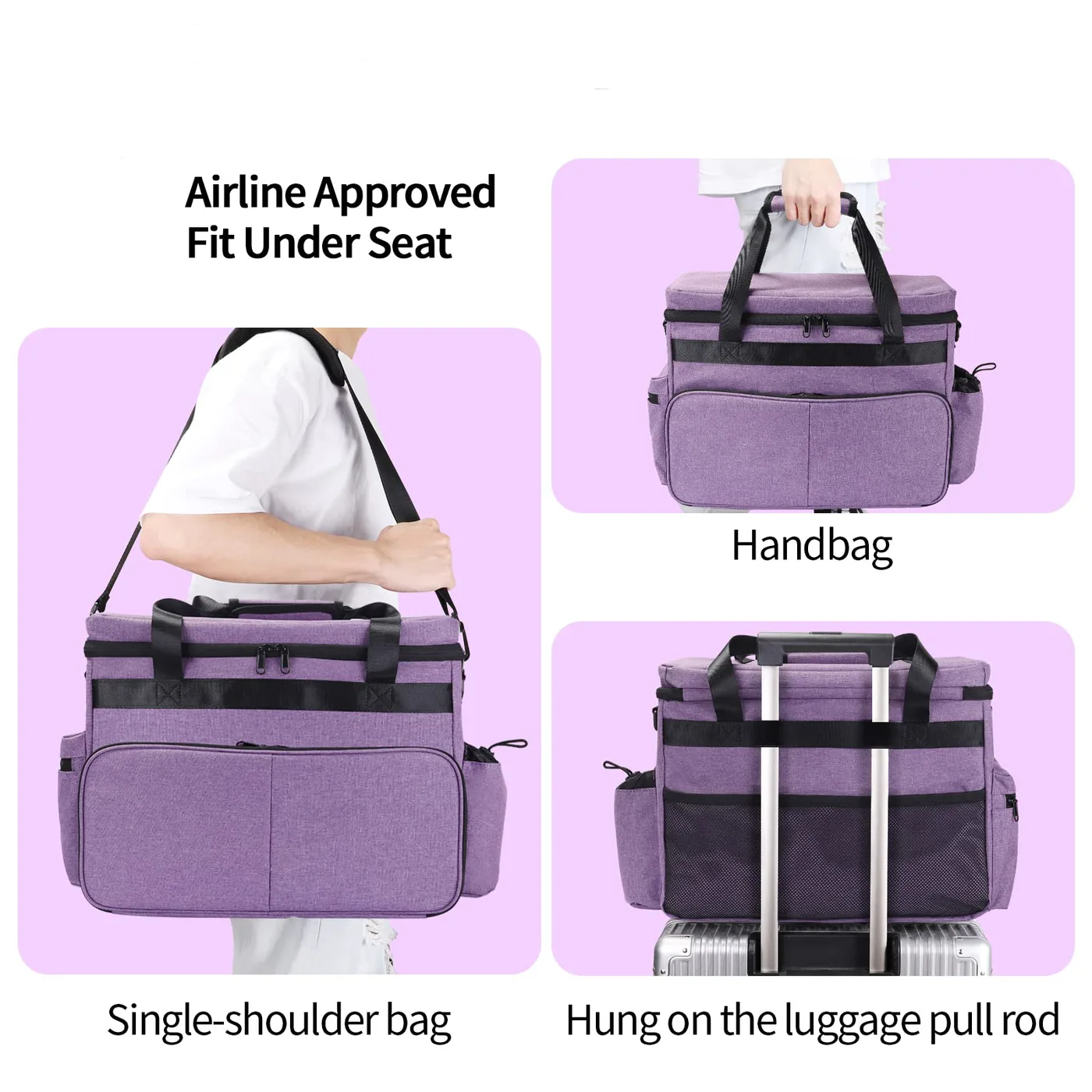
Product mix for the campus retail channel
Campus retail rewards breadth and price accessibility over specification depth. The channel sells to students, visiting families and alumni, and the buying patterns of those three groups are different enough that a balanced mix outperforms a focused one.
Students and visiting families buy at accessible price points and favour items that display the mark clearly: collars, leads, bandanas, small accessories and gifts. Alumni buy fewer items at higher price points and favour things that last, which is where carriers and travel items perform.
Six to ten SKUs is a workable opening mix. Fewer and the range does not look like a programme on a fixture; more and you have committed to multiple colourway minimums without knowing which items sell.
- Collar and lead set: the reliable volume driver, displays the mark clearly.
- Bandana: low cost, high margin, strong impulse purchase.
- Travel carrier: higher price point, alumni-oriented, larger display presence.
- Toy or accessory: gift price point, strong seasonal performance.
- Bedding or mat: dorm-adjacent, sells well at move-in.
Weight the buy toward the two or three items you are confident about rather than distributing evenly across ten. A programme that sells out of its best item and holds eight slow movers has failed commercially even if nothing was defective.
Price architecture matters in this channel. Establish three clear tiers so a customer can buy into the programme at any budget, and keep the tier structure consistent so the fixture reads deliberately rather than randomly.
Consider a move-in specific item. Products that solve a dorm-life problem, such as a fold-flat storage item or a bedding piece, sell into a hard seasonal peak and often outperform general merchandise during that window.
Finally, plan replenishment from the start. Campus retail reorders in short windows, so the items you expect to repeat should have their specifications archived and their artwork approved for reuse before the season begins.
Packaging and fixture for bookstore channels
Campus bookstores and their online equivalents have limited space and high turnover, which gives packaging two jobs: it has to display the mark clearly at a distance, and it has to survive being handled by a lot of people.
Display clarity comes first. The institution's mark should be the largest element on the packaging face, larger than your own brand mark, because affiliation is what is being bought. Getting that hierarchy wrong is the most common reason a collegiate range underperforms at fixture.
- Mark hierarchy: institutional mark dominant, your brand secondary.
- Hanging format: most campus fixtures are hook-based, so plan a header card.
- Barcoding: bookstore systems scan, so placement must be consistent and flat.
- Size visibility: sizing must be readable without opening the pack.
- Theft consideration: small high-value items may need a larger format.
Hanging presentation is usually non-negotiable. Campus fixtures are predominantly hook rails rather than shelves, so a box-only design will be awkward to display regardless of how well it photographs.
Keep one packaging architecture across the range. A shared card format, shared type hierarchy and shared barcode placement make ten SKUs read as one programme, and they make the buyer's planogram work considerably easier.
Include the licence line. Most licensing agreements require specific credit or copyright text on packaging, and omitting it is a compliance failure rather than a design choice. Confirm the required wording early and design the layout around it.
Finally, consider a programme-level display unit. A counter or rail display carrying the full range converts far better than individual items distributed across a store, and it is the single most effective fixture investment in this channel.
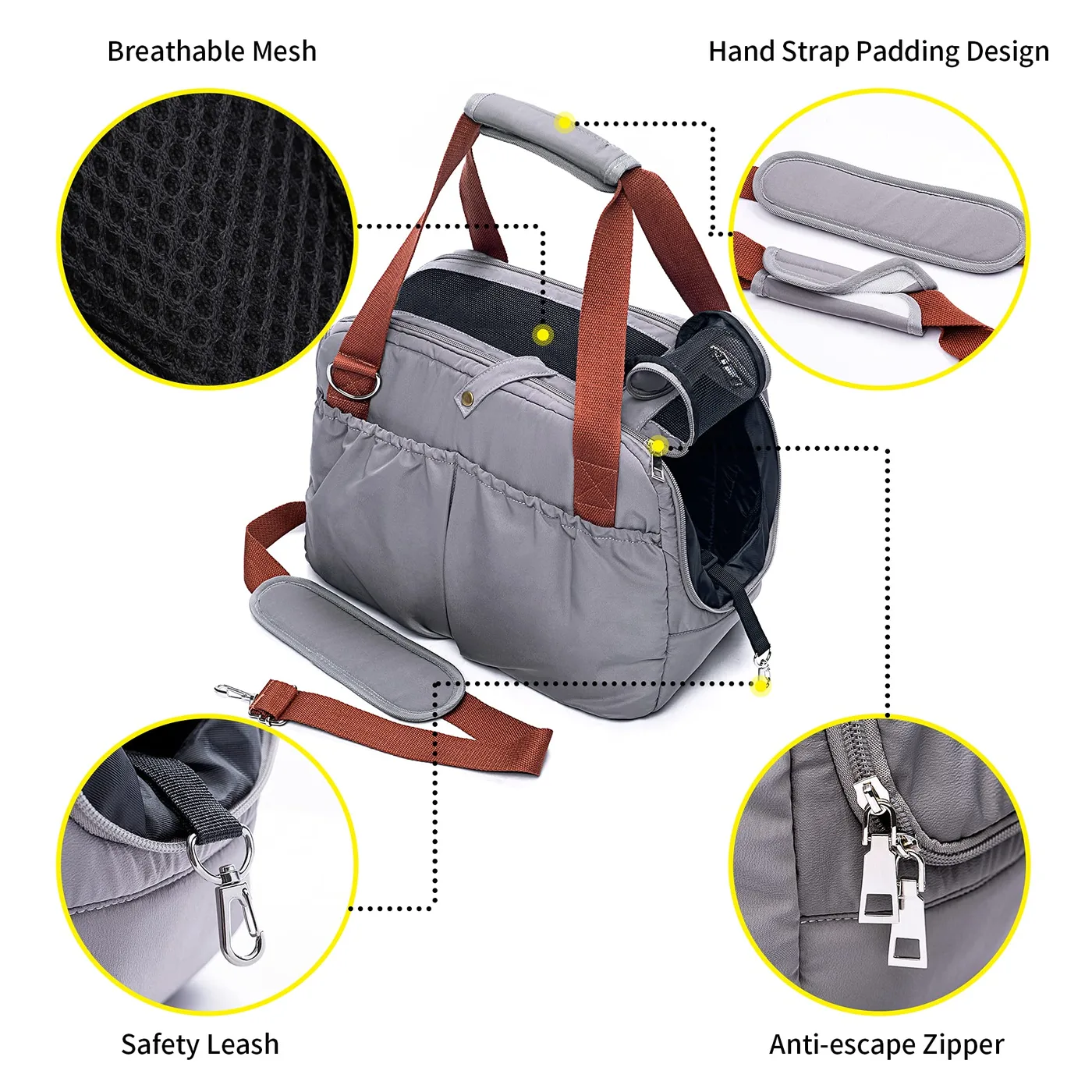
Planning production around the academic calendar
Collegiate merchandise lives and dies by the calendar, and the calendar is unforgiving. Working backwards from the selling peak is the only reliable planning method, and it needs more lead time than most first programmes allow for.
Take move-in season as the sharpest example. Artwork has to be approved, colour strike-offs signed off, samples produced and reviewed, bulk manufactured and shipped, and the goods landed and distributed before a window that lasts a few weeks. Each of those steps has a fixed duration.
- Artwork and licence approval: allow the longest single block, institution dependent.
- Colour approval: one round of lab dips plus one revision round.
- Sampling: 6-10 working days once artwork is approved.
- Bulk production: 35-50 days after written approval.
- Transit and distribution: variable, and the easiest step to underestimate.
Colour approval is the step most often underestimated, because it depends on an institution's response time rather than on yours. Start it before product design is finalised, and treat any delay there as a programme-level risk rather than a technical one.
Build one buffer into the schedule, and place it before bulk rather than after. A buffer after production protects nothing, because by then the delay is already priced into a missed season.
Plan the second season before the first one ends. Because most collegiate ranges repeat, locking artwork, colour standards and packaging templates for reuse is what turns a stressful first year into a routine second one.
Finally, ask the retailer for their ordering calendar early. Campus buyers work to their own internal deadlines, which are frequently earlier than the selling season suggests, and knowing them is the cheapest way to avoid a compressed schedule.
Cost, minimums and reorder rhythm
Collegiate programmes are built from many SKUs at modest volumes, which makes minimum structure the dominant commercial variable. MOQ is 500 pieces per colourway, and understanding how that applies across a licensed range is what keeps a first programme viable.
The useful principle is that the minimum applies per colourway, not per SKU. Because a collegiate range shares a small number of licensed colours, several SKUs can be combined to reach one colourway minimum, which is how a ten-item programme stays achievable.
| Programme shape | SKUs | Colourways | Units per colourway | Commercial note |
|---|---|---|---|---|
| Pilot drop | 3 | 1 | 500 | Lowest commitment, tests the channel |
| Standard opening | 6 | 2 | 500 each | Balanced breadth and risk |
| Full programme | 10 | 2 | 500 each | Requires confident demand forecast |
| Seasonal extension | 4 | 1 | 500 | Adds novelty without new tooling |
| Reorder wave | Best sellers only | Existing | 500 each | Fastest, uses archived specifications |
Decoration tooling is the cost that shapes the programme. Embroidery digitisation and rubber patch tooling are one-time charges per mark, so a programme that reuses one approved mark across many SKUs amortises that cost quickly, while one that develops artwork per SKU does not.
Colour development is the same story. Developing a licensed colour on five substrates is a real cost, and it is paid once if the substrates are standardised across the range and paid repeatedly if they are not.
Reorder rhythm should be planned around the campus peaks rather than around inventory levels. Two well-timed reorder waves aligned to term start and homecoming will outperform continuous small reorders, because the demand in this channel is genuinely peaked.
Payment and shipping follow standard terms: T/T with a 30% deposit and 70% balance before shipment, quoted FOB Xiamen, with inspection to AQL 2.5 on finished cartons before loading. Confirming those terms early removes a variable from an already complex schedule.
Finally, protect the approved standards through reorders. Every reorder should be checked against the signed substrate swatches and the archived artwork, because drift in a licensed programme is a brand problem for the institution as well as for you.
Second-season planning and programme growth
A collegiate programme's economics improve sharply in the second year, because the development costs that dominate the first season are already paid. Artwork is approved, colour standards are established and packaging templates exist, so growth becomes a production question rather than a development one.
That is the moment to expand deliberately rather than cautiously. Adding SKUs in year two costs far less than it did in year one, and the range benefit of greater breadth at fixture is significant once the brand is known on campus.
- Repeat best sellers: reorder what sold, using archived specifications.
- Extend the palette: add a secondary institutional colour rather than a new product.
- Add one hero SKU: a larger item that anchors the fixture.
- Introduce a gifting tier: captures a different budget without new tooling.
Extending the palette is usually the highest-return move. A secondary institutional colour applied to existing SKUs creates newness on the fixture without any product development, and it doubles the apparent range at modest cost.
Keep the packaging template constant while doing so. A coherent fixture depends on customers recognising the programme at a distance, and changing the card architecture in year two undoes the recognition built in year one.
Finally, review the year honestly with the retailer. Which SKUs sold, which sizes ran out and which approval step cost the most time are the three questions that make the third season easier than the second, and they are worth asking while the detail is still fresh.
Production capability
- SGS-verified production space of 4,950 m², 149 machines, 7 assembly lines
- Pet carrier and pet bag output since 2014 from a 137-person team
- 200,000 units shipped monthly under BSCI and ISO 9001 systems
People Also Ask
Why is colour accuracy so critical in collegiate merchandise?
Because customers see institutional colours every day on buildings, jerseys and stationery. Any drift is read as disrespect rather than as a manufacturing variation, which is why colour approval comes before product design.
Should our brand mark appear on licensed packaging?
Yes, but secondary to the institutional mark. Affiliation is what the customer is buying, so the university mark should be the largest element on the packaging face.
How many SKUs should a first collegiate range include?
Six to ten, weighted toward two or three items you are confident about. Fewer looks thin on a fixture; more commits multiple colourway minimums without evidence of what sells.
Which decoration is most durable for everyday items?
Embroidery, provided the artwork is simplified and sized above about 40 mm. Woven labels hold more detail at small sizes and suit secondary marks on collars, leads and straps.
When should artwork approval start?
In parallel with development, not after it. Sampling takes 6-10 working days while institutional artwork review often takes longer, so sequential approval adds weeks the campus calendar cannot absorb.
Can different SKUs share one colourway minimum?
Yes. The minimum applies per colourway rather than per SKU, so several SKUs sharing licensed colours can be combined to reach one minimum and keep the programme viable.
Frequently Asked Questions
What is the MOQ for university merchandise?
MOQ is 500 pieces per colourway. Because a collegiate range shares a small number of licensed colours, several SKUs can be combined to reach one colourway minimum, which is how a ten-item programme stays achievable.
How do we match official school colours accurately?
Work from the institution's nominated Pantone reference with a defined tolerance, and approve lab dips on the actual production substrate rather than on paper. Screen values and material colours are not the same colour space.
Who is responsible for licensing?
Usually the retailer or the institution. The practical requirement is to establish who submits artwork, who approves strike-offs and who signs off production, and to record those names in the project plan from the start.
Can we supply vector artwork ourselves?
Yes, but it must be the master file supplied by the institution. Marks redrawn downstream are the most common cause of rejection, so the master file should be held centrally and never reconstructed.
Which decoration method reproduces a mascot best?
Heat transfer or dye-sublimation for complex mascot artwork, because both hold full colour. Embroidery is traditional and durable but needs simplified artwork above roughly 40 mm to stay legible.
Do we need licence text on the packaging?
Almost always. Most licensing agreements specify credit or copyright wording that must appear on packaging, so confirm the required text early and design the layout around it rather than adding it at the end.
How long does sampling take for a licensed programme?
6-10 working days once artwork is approved, including colour strike-offs on every substrate in the build. Artwork approval itself is institution dependent and should be started in parallel with development.
What is the bulk production lead time?
35-50 days after written sample approval. Inspection runs to AQL 2.5 on finished cartons before loading, and standard terms are T/T 30/70 against FOB Xiamen.
How should packaging be presented for campus stores?
Hanging format, institutional mark dominant over your own brand, consistent barcode placement and readable sizing without opening the pack. Campus fixtures are predominantly hook rails rather than shelves.
What product mix works best for campus retail?
Six to ten SKUs across three price tiers, weighted toward two or three confident items rather than distributed evenly. Collars and leads drive volume, while travel items perform with alumni buyers.
How far ahead should we plan for move-in season?
Work backwards from the selling window and allow the longest block for artwork and licence approval, which is institution dependent. Place your schedule buffer before bulk production, where it still protects the date.
Can reorders reuse approved artwork and colours?
Yes. Approved artwork, signed substrate swatches and construction records are archived, so a reorder becomes a scheduling task rather than a new development cycle provided the specification is unchanged.
Talk to QUANZHOU JUNYUAN BAGS about a pet carrier program: MOQ 500 pieces per colourway, samples in 6-10 working days, bulk production in 35-50 days under AQL 2.5 inspection.
Get a free quote Request a sample