Custom Deodorizer: Odor Control
A custom pet odor control product is specified first by format - spray, pouch, gel or solid - then by fragrance brief, packaging and label set, at MOQ 500 units per variant. The decisions that define it are the format, the fragrance direction and the label compliance package. Format drives unit cost and shipping class; fragrance and packaging drive repeat purchase.
Odor control is a home-care product wearing a pet label, which means it is judged as a design object and regulated as a chemical article. Our standard envelope is MOQ 500 units per variant, samples in 6-10 working days for the packaging and fragrance direction, bulk production in 35-50 days after approval, and inspection at AQL 2.5 with a defect list covering fill volume, closure torque, print registration and label legibility. Payment is T/T 30/70, FOB Xiamen.
The brief must resolve compliance before design, not after. Fragrance composition, ingredient disclosure, warning statements and shipping classification all constrain what the label can say and what the packaging can be, and none of them can be retrofitted to a finished print run. Brands that sequence compliance first move faster overall, because the artwork round is the longest single stage in this category and every late regulatory change restarts it.
Two decisions should be made before design begins. Format fixes the shipping class, the unit cost and the repurchase rhythm, so it must be chosen against the channel rather than against what is cheapest to make. And the fragrance brief must be written as a design brief - by feeling, setting and intensity - rather than as a procurement list, because scent is the element no competitor can copy from a photograph.
A personalized pet carrier programme needs the artwork file and the variable data list locked before sampling, otherwise the first shipment slips a full cycle.
The Deodorizer as a Design Object in a Home Care Range
An odor control product is the one item in a pet range that lives in plain sight in the home. A carrier goes in a cupboard, a grooming glove goes in a drawer, but a deodorizer is left out on a counter or a shelf because it is used several times a day. That visibility is the strategic argument for investing in it: unlike most pet products, this one is seen by visitors, photographed in the background of social content, and silently judged as an object of design.
That changes the design brief in a specific way. The product has to look like something the owner would choose to display, not like something they tolerate. In practice this means a restrained palette, a considered silhouette, a matte or soft-touch surface rather than glossy plastic, and typography that would not look out of place on a home-fragrance product. The pet category cue - a paw, a breed silhouette - should be present but quiet.
Commercially, this is a consumable, and consumables are where brand loyalty is built. A deodorizer is repurchased every few weeks, and the repurchase decision is made on two things: whether it worked, and whether the owner liked having it around. Design controls the second, formulation controls the first, and both are needed. A brand that treats this SKU purely as a commodity will lose the single most valuable repeat-purchase slot in the range.
In range architecture it belongs to a home-care and hygiene capsule alongside cleaning wipes, a grooming glove and a travel-size shampoo. Four products sharing one palette and one typographic system read as a considered hygiene range, and the deodorizer - being the most frequently used - becomes the one that carries the brand into the customer's daily routine.
The caution for this category is overclaiming. Odor control products sit close to a regulatory boundary, and language that implies disinfection, bacterial elimination or health benefit moves the product into a different compliance class in most markets. Design the communication around fragrance, freshness and odour management, and let the formulation file - not the label - carry anything stronger.
Format Selection: Spray, Pouch, Gel or Solid
Format is the decision that fixes unit cost, shipping class, shelf footprint and repurchase rhythm, so it belongs first. Each of the four main formats has a distinct commercial profile, and the correct choice depends on where the brand sells rather than on what is cheapest.
A trigger-spray or mist bottle is the most familiar format and the easiest to merchandise. It is immediate, it reads as cleaning, and it suits a spray-on-fabric and spray-in-air use pattern. Its disadvantages are shipping classification for liquids, a higher freight weight, and a closure and trigger assembly that has more parts to fail. It is the right choice for a brand selling primarily through physical retail.
A pouch or sachet - a porous sachet of mineral or plant-based material placed near a bed or a litter area - ships as a dry good, weighs almost nothing, and needs no closure engineering. It is the cheapest to ship and the easiest to include in a subscription box. Its weakness is that it reads as passive, and customers find it harder to judge whether it is working.
| Format | Shipping class | Unit cost | Perceived activity | Repurchase rhythm | Best channel |
|---|---|---|---|---|---|
| Trigger or mist spray | Liquid, regulated | Medium | High | 4-8 weeks | Physical retail, grocery |
| Porous pouch | Dry good | Low | Low | 6-10 weeks | Subscription, online |
| Gel or solid dish | Dry good | Medium | Medium | 6-12 weeks | Home-fragrance adjacency |
| Refill concentrate | Liquid, concentrated | Low | High with base unit | 8-12 weeks | Direct, refill-led brands |
A gel or solid dish is the most design-friendly format by a wide margin, because it borrows the visual language of home fragrance: a glass or ceramic vessel, a printed sleeve, a considered silhouette. It ships as a dry good in most classifications and it looks like an object rather than a cleaning product. For a design-led brand, this is usually the strongest choice despite a higher unit cost.
A refill system is the most commercially sophisticated option and the one most worth planning for. Sell a durable vessel once, then sell refills indefinitely: it converts a commodity repurchase into a locked-in one, it justifies a premium on the base unit, and it gives the brand a reason to appear in the customer's inbox regularly. Design the vessel to accept a standard refill format from the start, because retrofitting refillability is far harder than specifying it.
Fragrance as a Brand Signature
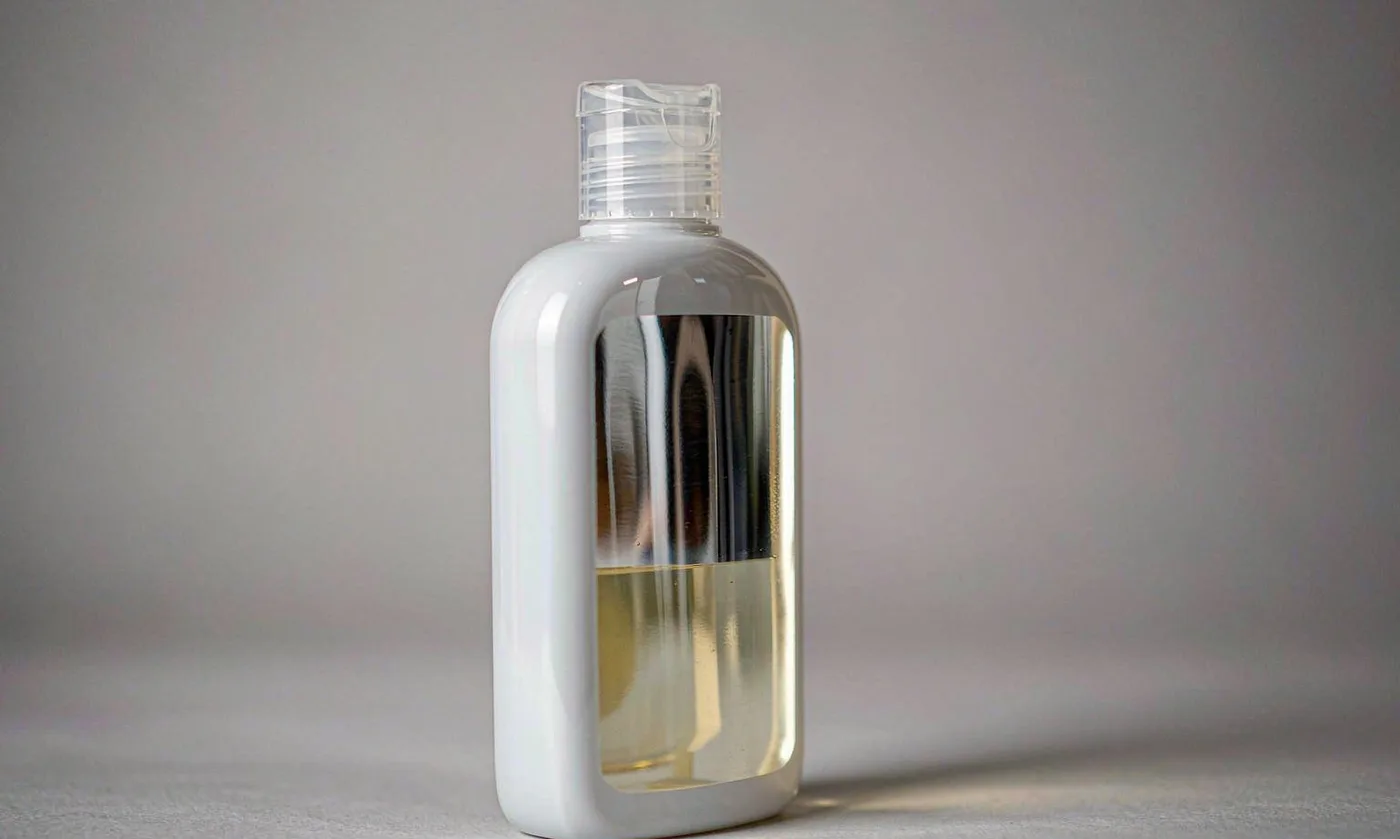
Fragrance is the most under-designed element in the pet category and the most powerful, because scent is the sense most strongly tied to memory and because a distinctive fragrance is something no competitor can copy from a photograph. A brand that owns a scent owns a form of recognition that visual identity cannot match.
Writing a fragrance brief is a design exercise, not a purchasing one. Start with the audience and the room rather than with a list of ingredients. A scent for a small-apartment owner should be lighter and less persistent than one for a house with a garden. A scent positioned alongside grooming products should read clean and green; one positioned alongside bedding should read soft and warm. Describe the fragrance the way you would describe a colour - in terms of feeling, setting and intensity - and let the perfumer translate.
Three families dominate and each carries a clear message. Citrus and green notes read clean, active and immediate, and suit a spray. Herbal and woody notes - cedar, vetiver, rosemary - read natural, calm and premium, and suit a pouch or a solid. Powder and soft floral notes read gentle and domestic, and suit bedding-adjacent products. Choose one family as the signature and resist the temptation to run six unrelated scents, because a signature is only a signature if it is recognisable.
Intensity deserves a specification. A fragrance that is too strong in a small room is the most common reason an odor control product is returned or abandoned, and it is also the most common source of negative reviews that mention headaches rather than scent. Specify a target intensity and test in an enclosed room rather than in open air, because the two experiences are completely different.
Two practical constraints shape the brief. Any fragrance composition must be documented for the relevant market, with allergen disclosure handled under the EU framework administered by ECHA, and any claim of odour elimination rather than odour masking should be supported by a test rather than asserted. Keeping the language to fragrance and freshness keeps the product in the simplest compliance class, which is where a design-led brand wants to be.
Packaging Design and Label Compliance
Label design for this category is a compliance exercise before it is a branding one, and the print run is the point of no return. Every market has required elements, and they have to be placed before the composition is finalised rather than fitted in afterwards. The design skill here is making a regulated label look like a designed one.
The required elements generally include product identity, net contents, ingredient or composition disclosure, the responsible party's contact details, directions for use, and any applicable warning or precautionary statements. Depending on the format and the market, child-resistant closure requirements and specific hazard communication may also apply; US obligations for consumer products are administered by the U.S. Consumer Product Safety Commission, and California's warning regime is published by OEHHA.
The typographic solution that works is hierarchy by obligation. Give the compliance block a defined zone - usually the reverse panel or the lower third - set it in a legible face at a legally sufficient size, and let the brand composition occupy the rest without competing. A label where the warnings are scattered around the composition looks careless and reads as if something is being hidden, whereas a clean, ordered compliance block reads as professional.
- Legibility: set required text at a size and contrast that survives photography and dim retail lighting.
- Durability: specify a label stock and finish that survives a wet hand and a damp surface, since spraying and wiping are the use cases.
- Placement: keep the brand mark off the panel required for warnings, so a regulatory update does not force a full redesign.
- Documentation: keep the formulation file, the safety data sheet and the label proof together as one pack for each market.
Independent verification through SGS on the first production lot is inexpensive relative to a delisting, and it gives retail compliance teams a document in the format they expect. Build it into the schedule rather than treating it as a contingency, because testing adds calendar time that no amount of expediting recovers.
Colour System and Shelf Presence
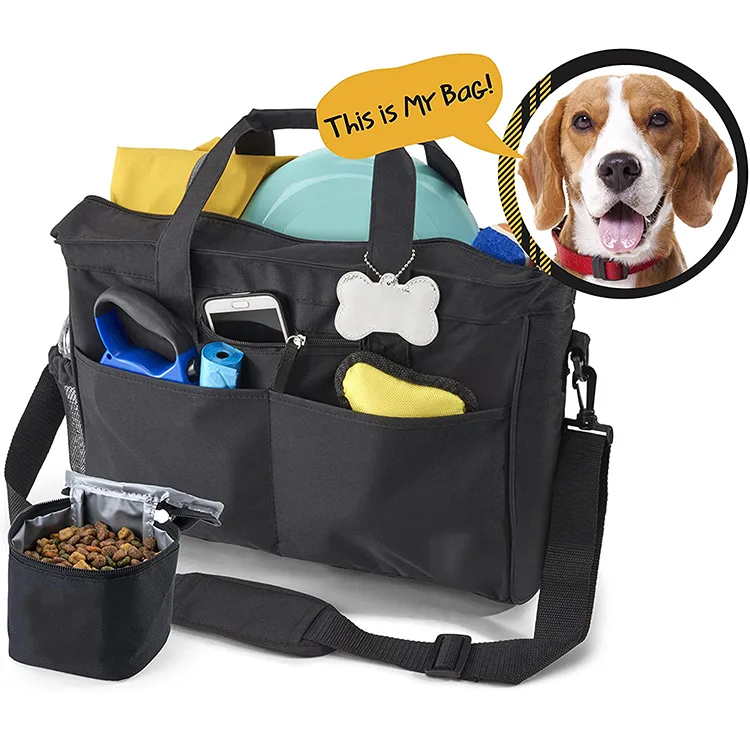
Colour on a home-care product has to do two jobs at once: signal the fragrance family and look deliberate on an open shelf in a customer's home. That is a narrower brief than most categories, and it rewards discipline over variety. Specify against Pantone references and approve printed and moulded chips together, because a printed carton and a moulded closure in the same reference will not match.
Map colour to fragrance family and keep the mapping consistent across the range. Citrus and green scents read in yellow-green and fresh white; herbal and woody scents read in sage, moss and deep green; powder and soft florals read in blush, cream and warm grey. A customer who learns that green means cedar in your range will navigate the shelf without reading, which is exactly how a strong colour system behaves.
Surface finish is the differentiator. A matte or soft-touch coated carton, a matte label stock and a matte closure read as home fragrance and justify a premium. Gloss reads as cleaning product and is what the category defaults to, which means avoiding gloss is one of the cheapest ways to look different. Add one deliberate accent - a foil line, an embossed mark, a coloured closure - and stop there.
Silhouette matters more than print on a small product. A bottle or vessel with a distinctive shoulder, a slightly tapered body and a considered cap reads as designed from across a room, where print does not. If the budget allows only one upgrade, spend it on a custom vessel rather than on a more elaborate print, because silhouette survives being placed on a shelf at home and print does not.
Finally, keep the colour system stable across refills and line extensions. A customer who buys the cedar vessel and then wants the cedar refill should find the same green on the shelf. Changing the palette between the base unit and the refill is one of the most common and most avoidable ways to lose a repeat purchase.
Logo and Print on Small Surfaces
A 250 ml bottle or a small pouch offers less printable area than almost any other product in a pet range, and the brand mark has to work at that scale. The discipline is reduction: use the wordmark or the icon, not both at equal weight, and set one clear hierarchy. A logo designed for a website will almost always need a simplified variant for this application.
Prepare a small-format variant deliberately. Reduce detail, thicken strokes, and test the mark at the actual print size rather than on screen - printed at 20 mm, a mark that looks clean at 200 mm will fill in and blur. Keep stroke weights above 0.5 mm for print on a label stock and above 0.8 mm for a moulded closure, and supply vector artwork with Pantone call-outs.
| Surface | Method | Minimum stroke | Durability | Notes |
|---|---|---|---|---|
| Label stock | Full-colour digital or flexo print | 0.5 mm | Medium-high | Most flexible; allows market-specific text blocks |
| Direct print on bottle | Screen print, 1-3 colours | 0.8 mm | High | Premium, no label edge, higher setup |
| Closure or cap | Moulded or pad printed | 0.8 mm | Very high | Small area; use the icon rather than the wordmark |
| Secondary carton | Full-colour print with foil or emboss | 0.4 mm | n/a | Largest canvas; carries the capsule cross-sell |
Direct print onto the vessel is worth considering when the product is sold without a carton, because it removes the label edge and the label's tendency to lift on a damp surface. It costs more in setup and locks the artwork per run, so it suits a stable signature product rather than a seasonal variant.
One placement principle applies across all formats: the mark should be upright and legible when the product is standing on a shelf at home, and it should not be interrupted by the compliance block. Reserving the upper third of the front face for identity and the lower third for obligations is the simplest rule that satisfies both.
Merchandising, Cross-Sell and Refill Logic
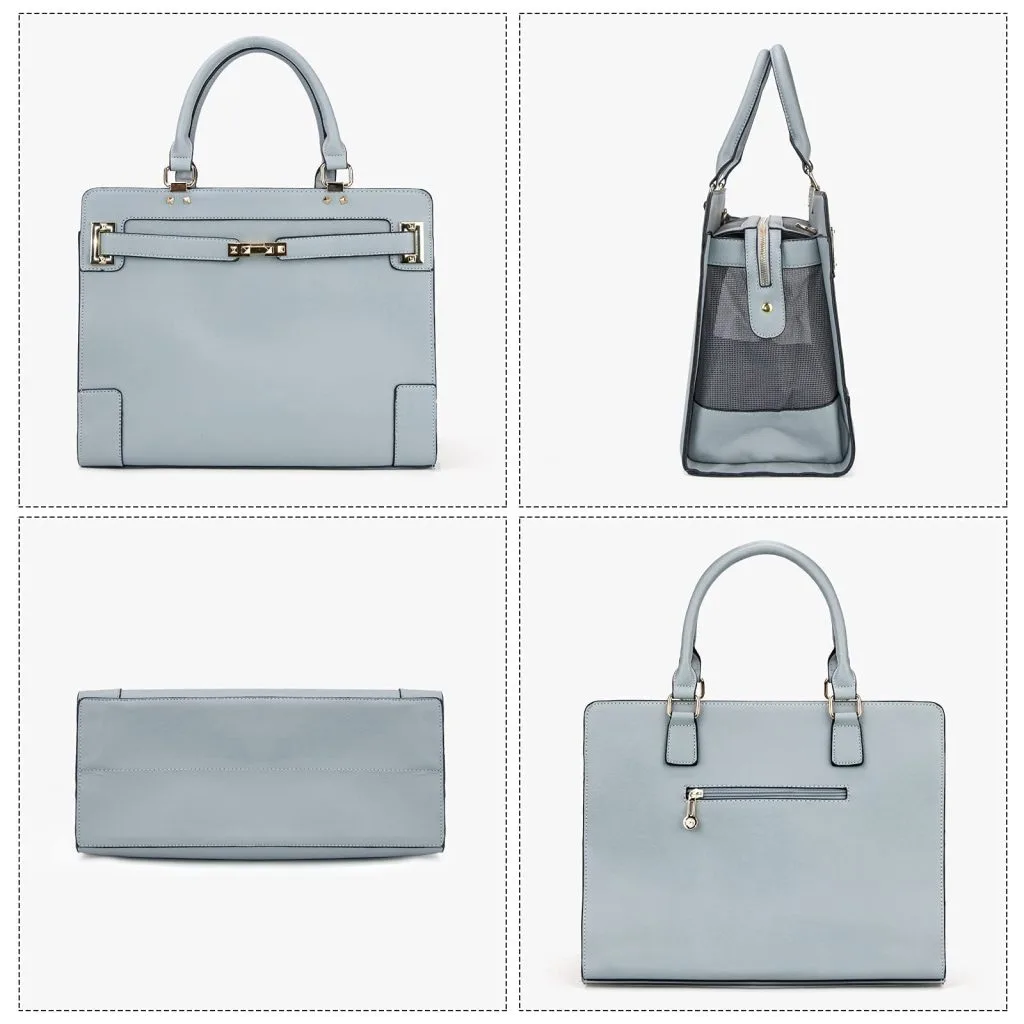
Odor control merchandises unusually well because it sits at the intersection of two aisles: pet and home care. That dual placement is an opportunity most pet brands miss. A product designed to look at home beside a home-fragrance display can win a second placement that no other pet SKU can, and a second placement is the cheapest sales increase available in physical retail.
Design for that adjacency deliberately. Neutral palette, restrained typography, a vessel that reads as an object - these are not aesthetic indulgences, they are the price of entry into a non-pet placement. A product covered in paw prints and bright orange will be kept in the pet aisle, which is a smaller and more competitive space.
Cross-sell within the pet range should be built into the packaging. A deodorizer beside cleaning wipes and a grooming glove, shown together on the carton reverse, frames all three as one hygiene routine and lifts basket size. The framing sentence matters: present them as a routine rather than as three products, because routines are repurchased and products are compared.
Refill logic deserves its own planning. If the brand sells a durable vessel, the refill should be merchandised beside it, clearly labelled as the refill, in identical colour coding, and priced so that the refill is the obvious repeat choice. A refill that is cheaper to buy as part of a new starter kit defeats its own purpose, so price the two deliberately rather than by margin habit.
Online, the listing needs one thing that physical retail provides for free: a description of the scent that goes beyond the name. "Cedar and vetiver, dry and woody, moderate intensity" sells far better than "Fresh Cedar" alone, because the shopper cannot smell it and is buying on imagination. Invest in that sentence - it is the highest-return copy in the whole listing.
Reviews are the other online lever, and this category generates them unusually readily because the product is used so frequently. Include a small card in the box that asks for a review and names one specific thing to mention - the scent, or how long one unit lasted. A prompt that names a topic produces far more useful reviews than a general request, and useful reviews are what convert the next shopper who cannot smell the product either.
Sampling, Documentation and Launch Timing
Sampling in this category splits into two parallel tracks, and running them in parallel is what keeps the schedule short. The packaging track produces a printed prototype, a filled dummy and a label proof - allow 6-10 working days, and expect two rounds because label composition is where changes concentrate. The fragrance track produces directional scent samples, and it should start at the same time, because scent approval is a decision-making process rather than a production one and it involves more people.
Stability and compatibility testing runs alongside. A fragrance in contact with its own vessel, closure and label adhesive can discolour, cloud or degrade a surface over weeks, and the only way to know is a real-time test on the actual packaging. Budget calendar time for it; it cannot be compressed, and a product that looks right on day one and wrong on day sixty is a recall in waiting.
Documentation should be assembled as one pack per market: formulation file, safety data sheet, label proof, test reports and the responsible-party details. Verification through SGS on the first lot, and confirmation of obligations under the EU framework administered by ECHA and US obligations administered by the U.S. Consumer Product Safety Commission, should be completed before the print run rather than during it.
Bulk runs 35-50 days after approval, with inspection at AQL 2.5 covering fill volume, closure torque and leak testing, print registration, label legibility and adhesion, and carton condition. Leak testing on a sample from each carton is the check that matters most for a liquid format, because a single leaking unit in a shipped case contaminates everything around it and turns one defect into twelve complaints.
Launch timing should follow the repurchase logic rather than a season. Because the product is bought continuously, the best launch is a coordinated one with the hygiene capsule, supported by a subscription or auto-replenishment offer from day one. Launching with a replenishment mechanism in place converts the first sale into a relationship, which is the entire commercial case for investing in a consumable SKU.
Production capability
- SGS-verified production space of 4,950 m², 149 machines, 7 assembly lines
- Pet carrier and pet bag output since 2014 from a 137-person team
- 200,000 units shipped monthly under BSCI and ISO 9001 systems
People Also Ask
How do I get pet odor out of a room?
Remove the source first, then ventilate, then use a fragranced odor control product on fabrics and in the air. Odor control works best as part of a routine rather than as a one-off treatment.
Are pet deodorizers safe to use around pets?
Choose a product with a published ingredient disclosure and follow the directions on the label, including any instruction to keep pets away from a treated surface until dry. Avoid over-application in enclosed spaces.
What is the difference between masking and eliminating odor?
Masking adds a fragrance on top of an odour; eliminating treats or captures the odour molecules. Claims of elimination should be supported by a test rather than asserted on the label.
How often should I use a pet odor control spray?
Light, frequent application works better than heavy, occasional application. Most households use a few sprays two or three times a week on fabrics and bedding.
Which fragrance is best for a small apartment?
A lighter, lower-intensity scent with citrus or green notes. Strong woody or spicy fragrances can become overwhelming in an enclosed space and are a common cause of complaints.
Can an odor control product be used directly on a pet?
Only if the label says so. Products designed for fabrics and air are not the same as products formulated for direct application to a coat, and the label is the authority.
Frequently Asked Questions
What is the MOQ for a custom odor control product?
MOQ is 500 units per variant, where a variant means a distinct combination of format, fragrance and packaging. Running one fragrance across two sizes usually stays within a single variant.
Which format should we choose?
A spray for physical retail where immediate action reads well; a pouch for subscription and online where shipping weight matters; a gel or solid dish for a design-led range that can borrow home-fragrance cues. A refill system is the strongest long-term structure.
How do we brief a fragrance?
Brief it the way you would brief a colour: by feeling, setting and intensity rather than by ingredient list. Describe the room and the audience, choose one family as the signature, and specify a target intensity tested in an enclosed space.
What label elements are required?
Typically product identity, net contents, composition or ingredient disclosure, responsible-party contact, directions for use and any applicable precautionary statements. Requirements vary by market and format, so confirm them before the artwork round rather than after.
Can we claim the product eliminates bacteria?
Not without the appropriate registration and test data, which moves the product into a different compliance class in most markets. Design the communication around fragrance, freshness and odour management instead.
How long does sampling take?
6-10 working days per packaging round, with two rounds typical, plus a parallel fragrance track. Stability and compatibility testing on the real packaging runs alongside and needs real calendar time.
What inspection standard applies?
AQL 2.5 covering fill volume, closure torque and leak testing, print registration, label legibility and adhesion, and carton condition. Leak-test a sample from each carton, because one leaking unit contaminates the whole case.
Why does fragrance intensity matter so much?
An over-strong fragrance in a small enclosed room is the most common reason these products are abandoned or reviewed negatively. Specify a target intensity and test in a real room rather than in open air.
Should we offer refills?
Yes, if the format allows. A durable vessel plus a refill converts a commodity repurchase into a locked-in one, justifies a premium on the base unit, and gives the brand a reason to contact the customer regularly.
Do we need third-party testing?
Yes. Independent verification through SGS on the first lot is inexpensive relative to a delisting, and it gives retail compliance teams a document in the format they expect.
How should the product be merchandised?
Design for dual placement: restrained enough to sit in a home-care aisle, clearly pet-positioned enough for the pet aisle. Cross-sell the hygiene capsule on the carton and frame it as a routine rather than as separate products.
What is the bulk lead time?
35-50 days after approval. Because the product is bought continuously, launch it with the hygiene capsule and a replenishment offer in place rather than waiting for a season.
Can we use a custom vessel shape?
Yes, and it is usually the best single use of budget. Silhouette reads across a room and survives being placed on a shelf at home, where print does not. It locks artwork per run, so it suits a stable signature product.
Talk to QUANZHOU JUNYUAN BAGS about a pet carrier program: MOQ 500 pieces per colourway, samples in 6-10 working days, bulk production in 35-50 days under AQL 2.5 inspection.
Get a free quote Request a sample