Laptop Sleeve and Tech Pocket Design for Custom Pet Carriers
A laptop compartment in a custom pet carrier should be a separate exterior-access sleeve with a suspended base that leaves 25-35 mm of clearance below the device, 6-8 mm of closed-cell padding on both faces, and a fully sealed barrier between the device and the animal space. Grade it to 13, 14 and 16 inch by internal clearance, not by screen diagonal. Our production team samples laptop sleeves in 6-10 working days and runs bulk in 35-50 days to AQL 2.5.
This executive summary covers laptop compartment development for the dual-purpose carrier, where one product carries a device to work and an animal to the vet. MOQ 500 pieces per colourway is the standard entry point, driven by the fabric minimum and by the pattern grading across the size run. Sampling takes 6-10 working days from approved artwork and includes a constructed sleeve, a drop test with a weighted dummy, and a check of the barrier seam path. Bulk production runs 35-50 days after sample sign-off, with custom-moulded stiffeners and printed size cards at the longer end. Finished goods are inspected to AQL 2.5 under documented ISO 9001 procedures at our SGS-verified production base and ship FOB Xiamen on T/T 30/70 terms. Three decisions belong before sampling: which device sizes the range covers, because that drives the grading and the pattern count; whether the compartment is inside or outside the animal volume, which is the single most important decision in the brief; and how the base is suspended, because a laptop resting on the bottom seam is a laptop with a cracked corner.
A custom cat carrier is restrained by behaviour rather than by weight, so locking sliders and bound internal seams matter more than load ratings.
The Dual-Purpose Carrier: Designing for Two Passengers
The dual-purpose carrier is one of the more interesting briefs in the category, because it asks a single product to satisfy two sets of requirements that pull in genuinely opposite directions. One passenger is an electronic device that needs a flat, dry, protected, rigidly separated space. The other is a living animal that needs ventilation, softness, a level floor and an interior it cannot damage. Designing for both without compromising either is a real problem, and most products that attempt it fail on the hygiene question rather than on the engineering one.
The commercial logic is sound. A customer who can carry a laptop on the morning commute and a cat to the vet on Saturday is a customer with a reason to own one good bag rather than two mediocre ones, and that is a proposition that supports a premium price. It also opens a channel: a product that functions as a work bag can be sold in a luggage and business-accessory environment, not only in a pet aisle.
But the design has to be honest about which passenger is primary in each moment. The pet carrier is the product's identity; the laptop compartment is a capability. That ordering matters, because it decides what happens when the two requirements conflict. Ventilation wins over a rigid panel. A cleanable interior wins over a plush lining. An animal that cannot reach the device wins over convenience of access.
Get that ordering right and the product is genuinely useful rather than a compromise. Get it wrong and you have a bag that is mediocre at both jobs, which is the failure mode the category is full of.
One more framing point that helps in a range review: the dual-purpose product should share its shell, its strap platform and its hardware with the rest of the range. It is a variant with an additional compartment, not a new development, and that is what keeps it viable at a 500-piece minimum.
Sizing and Grading: 13, 14 and 16 Inch Compartments
Laptop compartments are sold by screen diagonal and should be specified by internal clearance, because the diagonal says nothing about the thickness or the footprint that actually has to fit. A 14 inch laptop spans roughly 320 by 220 mm; a 16 inch device is closer to 355 by 250 mm; and thickness has crept upward as well, with many machines now between 15 and 20 mm.
Specify the compartment as a clearance with a stated margin: 335 by 235 mm for a 14 inch class device, 370 by 265 mm for a 16 inch class device, and 25 mm of depth in both cases. A margin of 12-15 mm in each planar dimension is the right amount — enough that a device in a sleeve slides in without forcing, not so much that it rattles around in transit.
Grading is where programmes get expensive. Three compartment sizes mean three pattern variants for the panel that carries them, and if the shell is graded as well, the number of pattern pieces multiplies. The economical approach is to grade the compartment and keep the shell constant wherever the silhouette allows it, or to design one compartment geometry that accepts the largest device and use a removable insert to take up the slack for smaller ones.
The insert approach is worth considering seriously. A single compartment sized for the 16 inch device plus a foam-and-fabric insert that reduces the opening for a 13 or 14 inch machine gives one pattern, one assembly and a tidier fit than three graded panels. It costs a small additional component and it removes a genuine amount of manufacturing complexity.
Whatever the route, state the largest device dimensions the compartment accepts on the hangtag. Customers do not want to measure, and a stated maximum converts far better than a nominal size that may or may not fit their machine.
Padding materials and compression
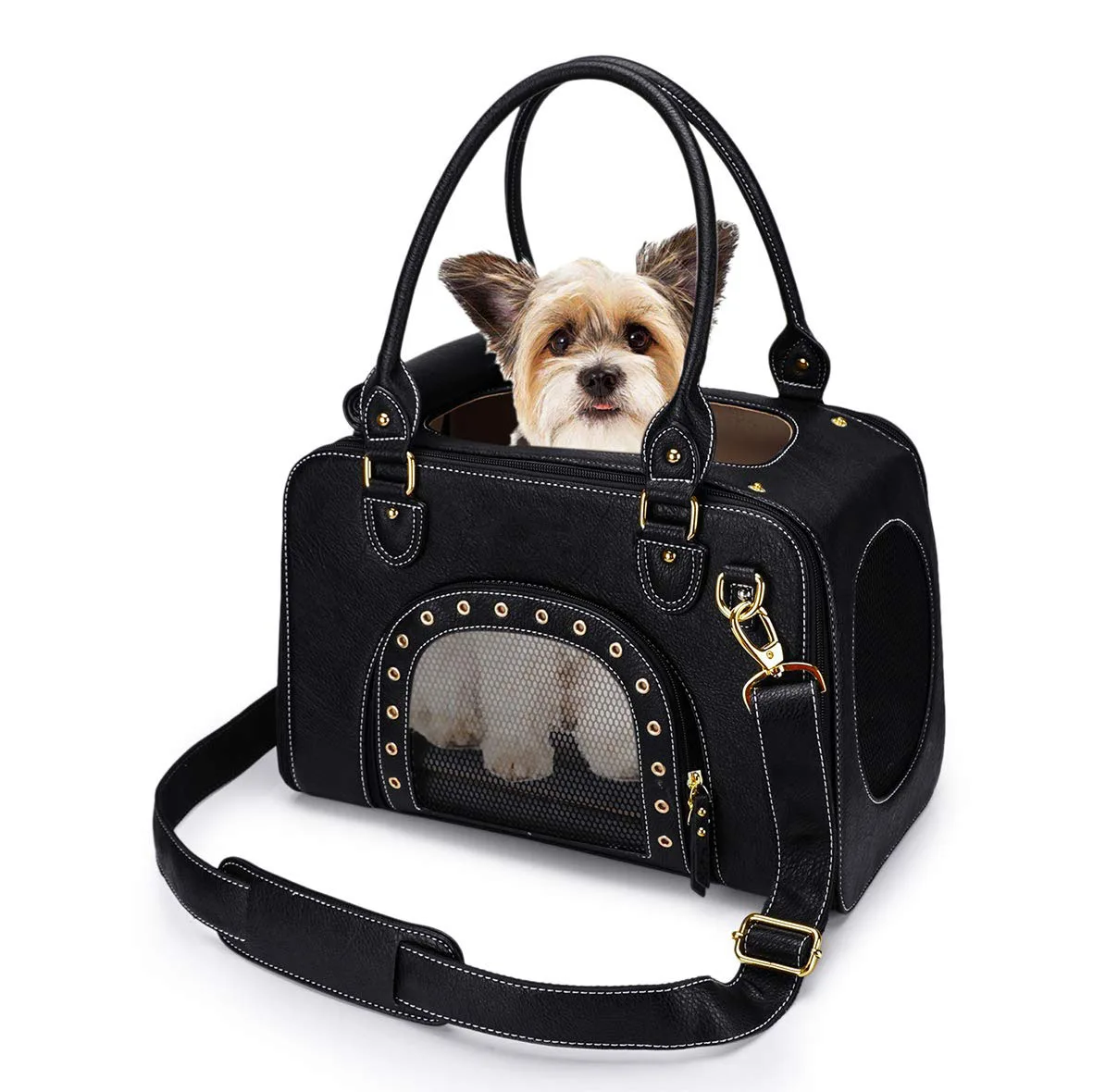
Closed-cell polyethylene foam in the 6-8 mm range is the default for laptop protection: it is light, it does not absorb water, and it recovers well after compression. Open-cell PU feels softer and compresses permanently, which is the wrong behaviour for something that will be loaded the same way every day for years. Specify a compression set figure and verify it rather than choosing by hand feel.
Where the product also needs to look soft, use a thin layer of open-cell over a structural closed-cell core. The hand is soft, the protection is real, and the assembly costs very little more.
Suspension and Impact Protection
The most common laptop damage in a soft bag is not a drop; it is a corner impact from setting the bag down. A device resting directly on the base seam of a compartment takes that load through its corner, and a hard set-down onto a pavement is enough to bend a corner or crack a screen. Suspension is the fix and it is simple.
A suspended base means the compartment floor stops 25-35 mm short of the outer base of the bag, so there is an air gap and a soft zone beneath the device. When the bag is set down, the outer shell compresses into that gap and the device does not take the load. It costs a little height in the pattern and it is the single most effective protective measure available.
Corner treatment is the second measure. The bottom corners of the compartment are where impacts concentrate, and a reinforced corner — a doubled fabric layer, a moulded corner piece, or a denser foam insert at each corner — addresses the failure mode directly. Reinforce all four; a bag can be set down on any of them.
Closure at the top matters more than people expect. A device that can slide upward in its compartment will find the zip eventually, and a zip tooth against an aluminium edge is a scratch waiting to happen. A retention strap or a turned top edge that overlaps the compartment opening keeps the device in place without making access awkward.
Verify with a drop test rather than with reasoning. A weighted dummy of the correct mass and dimensions, dropped from 300 mm onto a hard surface in the orientations that actually occur — flat, corner, and on the compartment face — takes an afternoon and tells you whether the specification is adequate. Published methods catalogued by ASTM International give the test a recognised frame of reference, and verification through SGS gives the brand a document rather than an opinion.
The Hygiene Barrier: Separating Two Very Different Loads
This is the section that decides whether the product is a good idea. An animal and a laptop cannot share a space, and they cannot share a partially separated space either. The barrier has to be total, and it has to be assessed on three separate risks: moisture, contamination and claws.
Moisture is the most likely. A water bowl spills, an animal has an accident, condensation forms in a warm interior. Any of those events puts liquid in the bottom of the carrier, and liquid travels along seams and through stitch holes. The compartment floor must therefore be a waterproof layer in its own right, with welded or sealed seams, not a fabric panel that happens to be near a waterproof one. If the barrier is stitched, the stitch holes are the leak path.
Contamination is the risk that makes customers uncomfortable even when nothing has gone wrong. Hair, dander and odour migrate, and a laptop that comes out of a pet carrier smelling faintly of animal is a laptop the customer stops carrying that way. A sealed barrier and a separate exterior access solve this completely; an internal divider does not.
Claws are the mechanical risk. A cat will work at any fabric edge it can reach, and a compartment panel that forms part of the interior wall will be reached. The compartment must be outside the interior volume entirely, separated by a structural layer with no opening and no seam leading from the interior toward it. This is the same principle that governs a tracker pocket, and it is not negotiable.
Design the barrier as a box rather than as a panel. A compartment that is a sealed box inserted into the shell structure — rather than a fabric division inside a single volume — satisfies all three risks at once, and it is easier to assemble than it sounds.
Access, Opening Geometry and the Security Check
How the compartment opens determines whether the feature gets used. Two geometries are available and the choice should follow from how the customer actually behaves with the product.
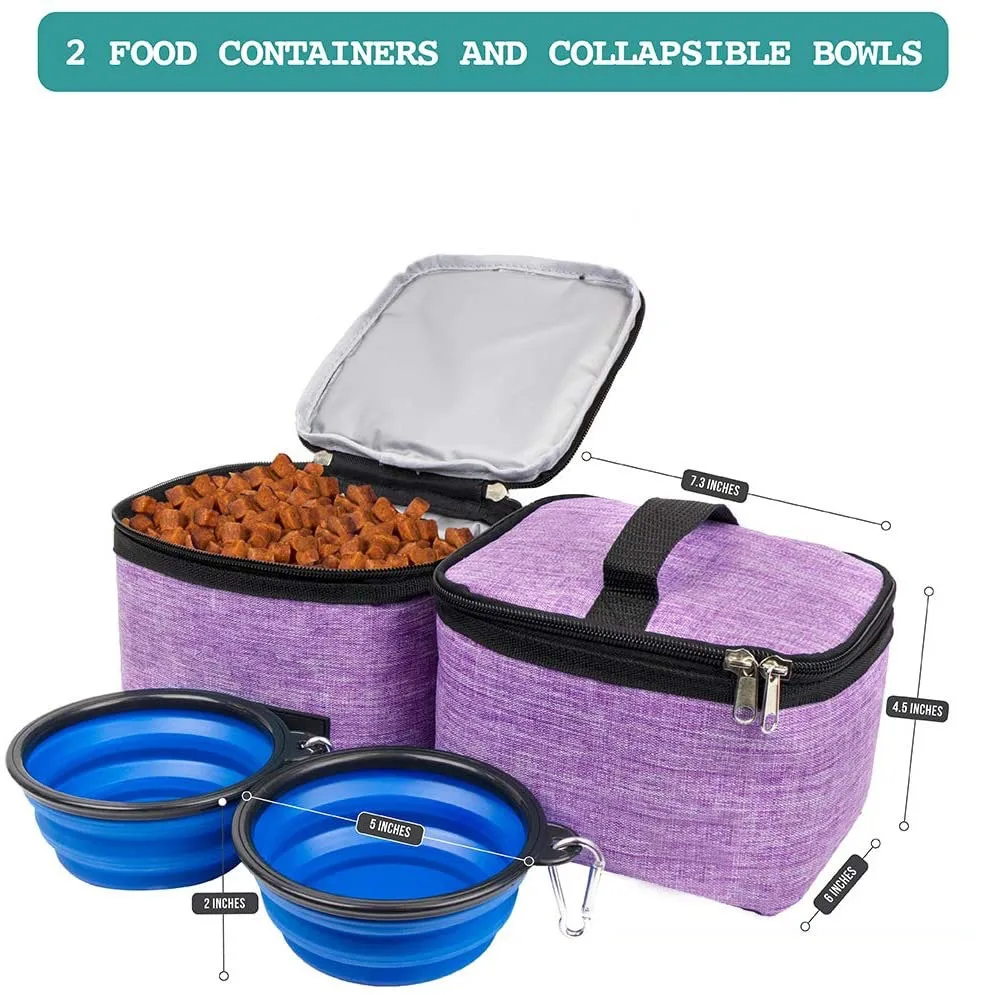
Exterior access is a separate zip on the outside of the bag leading to a compartment that never connects to the animal space. It satisfies the hygiene argument completely, it lets the owner take the laptop out without opening the pet area, and it is the configuration we recommend for any product where the animal might be inside at the time. Its cost is a second zip and a slightly more complex shell.
Interior access is a sleeve inside the main volume. It is cheaper, it uses one less zip, and it is inappropriate for a dual-purpose pet product, because opening the main compartment to reach a laptop means opening the animal space in public, in an office, or at a security checkpoint. Every one of those moments is a reason the feature stops being used.
That last point deserves emphasis. An airport or office security check requires the laptop to come out of the bag, and a design that requires opening the pet compartment to do it is a design that will be abandoned at exactly the moment it is most needed. Exterior access is not a premium option here; it is the requirement.
Opening geometry then follows. A zip that runs along three sides lets the compartment open flat, which is what security checkpoints want and what makes packing easy. A top-only opening is tidier and slightly more protective. Choose three-sided if the product is genuinely aimed at commuters.
Add one small detail: a light-coloured lining inside the compartment. Dark linings make a small opening feel like a cave and customers cannot see what is in there. A mid-grey or a brand accent colour makes the compartment feel designed and makes the device easy to locate.
Structure, Weight and the Carry Experience
Adding a laptop compartment changes the whole product's physical behaviour, and the changes are easy to underestimate. A structured compartment adds weight, it adds rigidity, and it moves the centre of gravity. All three affect how the bag carries and how the animal experiences it.
Weight comes first. A compartment with padding, a stiffener and a second zip adds 200-400 g before any device goes in, and a laptop adds another 1.5-2 kg. That is a material increase in the load the strap system has to carry, and it is the point at which a comfortable carrier becomes an uncomfortable one. Revisit the strap specification rather than assuming the existing platform still works: widen the straps, add a sternum tie, and consider a hip belt on the larger formats.
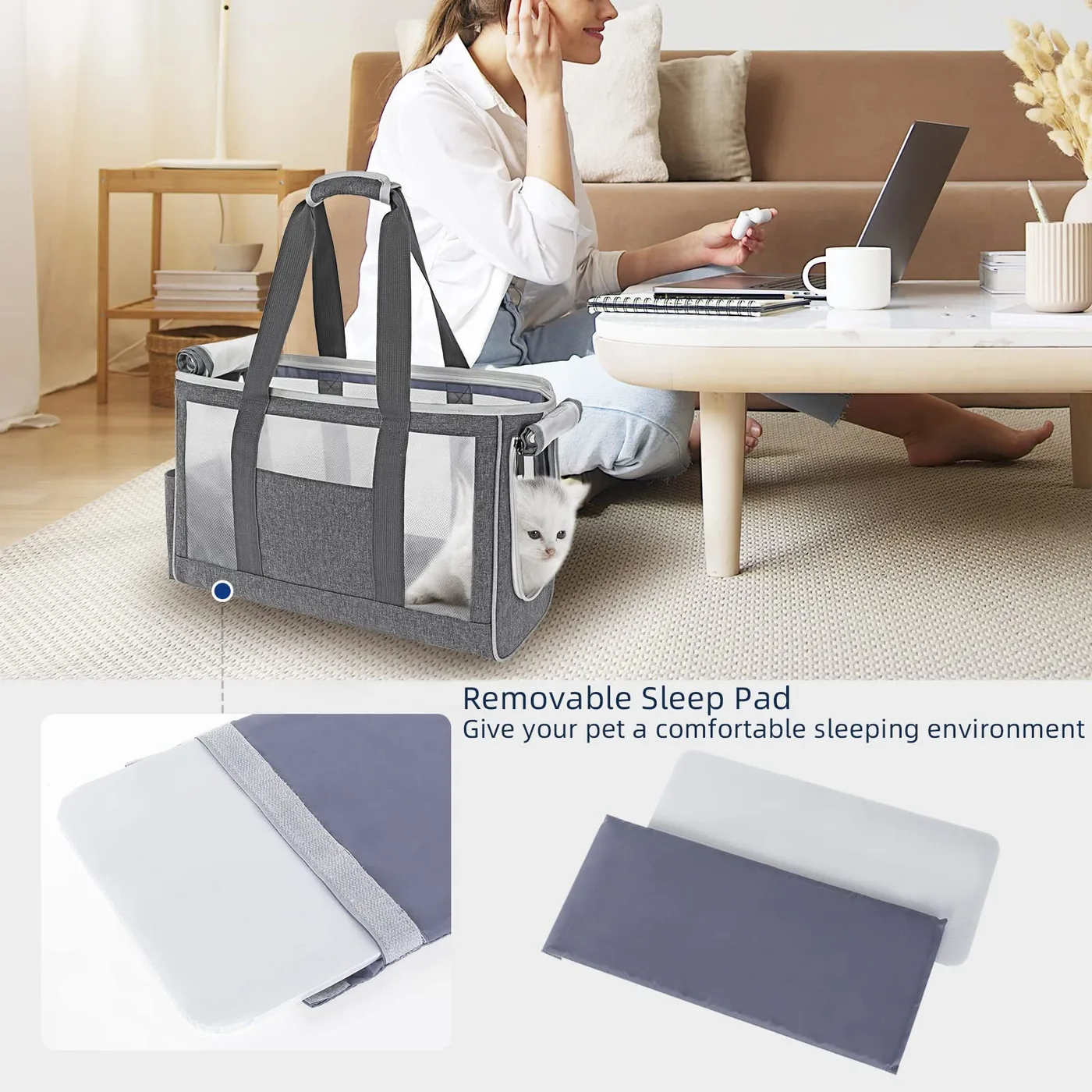
Rigidity is the second change and it has a welfare dimension. A bag that is stiff to protect a laptop is a bag whose interior floor may be less forgiving for an animal. The resolution is to keep the rigidity in the compartment and out of the animal space: a stiffened compartment panel, a separate removable floor board for the pet area, and a soft interior everywhere else. Do not let one structural decision serve both requirements badly.
Centre of gravity is the third. A laptop sits against the wearer's back, which is the correct place for it and which pulls the bag toward the body. That is good for stability and bad for ventilation if the compartment displaces a mesh panel. Check that adding the compartment has not removed the airflow path, because a pet space with its ventilation blocked by a rigid panel is a genuine problem rather than an inconvenience.
Finally, consider what happens when the compartment is empty. A rigid box in an otherwise soft bag is noticeable and slightly awkward, and a product that feels odd when used as a pure pet carrier has lost half its purpose. A removable stiffener, or a compartment that folds flat when not in use, keeps both modes honest.
Cost, MOQ and Programme Planning
A laptop compartment is the most expensive pocket in this category, because it is structural rather than a slip. The costs sit in the padding, the stiffener, the second zip and the additional assembly steps, and they are all volume-sensitive in predictable ways.
The table below compares the four build levels we most often quote, with indicative cost per carrier at a 500-piece programme and the lead-time impact of each.
| Build level | Compartment | Indicative cost per unit | Device support | Added lead time |
|---|---|---|---|---|
| Slip sleeve | Padded sleeve in main volume | $2.20-$3.60 | 13-14 in | 1-2 weeks |
| Exterior | Separate zip, suspended base | $4.80-$7.20 | 13-14 in | 2-3 weeks |
| Structured | Stiffened box, corner reinforcement | $7.60-$11.40 | Up to 16 in | 3-4 weeks |
| Dual mode | Removable stiffener, folds flat | $10.80-$15.60 | Up to 16 in | 4-5 weeks |
Grading is the hidden cost multiplier. Three compartment sizes mean three pattern variants, and if the shell grades as well the pattern count grows quickly. Using one compartment geometry with a removable insert for smaller devices is the most effective way to hold both the cost and the manufacturing risk down at a 500-piece programme.
Timing is longer than a simple pocket but shorter than anything powered. Sampling is 6-10 working days including a drop test with a weighted dummy and a review of the barrier seam path. Bulk is 35-50 days after sign-off, with custom-moulded stiffeners at the longer end. Inspection to AQL 2.5 covers compartment dimensions, zip function and barrier integrity, and shipments move FOB Xiamen on T/T 30/70 terms. Documenting the build under a system aligned to ISO 9001 is what keeps the second order identical to the first.
One sourcing note: buy the stiffener and the padding from the same specification as the rest of the range's structural components where you can. Mixing foam densities across a product creates assembly problems and inconsistent hand feel between colourways.
Branding the compartment
A compartment with its own zip pull, its own lining colour and its own printed size card is a compartment that reads as designed. Use a contrasting lining in a brand accent, put a small woven label at the compartment mouth, and print the maximum device size inside where the customer will see it when packing.
The zip pull is the cheapest branding opportunity in the whole product and one of the most touched. A moulded or laser-marked pull on the laptop compartment signals that this is a real feature rather than an extra pocket.
Positioning a Work-and-Walk Product
A dual-purpose carrier needs a clear position, because a product that tries to be two things is usually read as neither. The honest framing is a pet carrier that also carries a laptop, not a laptop bag that also carries a pet. Lead with the animal — the audience is pet owners — and present the device compartment as the capability that makes the product work on a weekday as well as a weekend.
Name the compartment and state what it does. A named, sized, tested compartment with a stated maximum device dimension is a specification customers can evaluate. An unlabelled extra pocket is not, and it will not support a premium.
Photograph both modes. Most brands photograph the pet and mention the laptop in a bullet, which leaves the customer unsure whether the compartment is real. One image with the animal and one with the device, side by side, resolves it in seconds and is the single most effective asset for this product type.
Be explicit about the barrier. Say that the compartment is sealed and separate, that it does not share the animal space, and that it opens from the outside. That statement addresses the objection every customer has about this product before they articulate it, and it is the difference between an interesting idea and a purchase.
Then connect it to the platform. The same device architecture that produces this compartment produces the tablet sleeve on a mid-tier product and the tracker pocket across the range, and the strap system underneath it is the one described in the padded shoulder strap specification. One architecture, expressed at three price points, is what a range looks like when it has been planned rather than assembled.
Finally, decide what the product is called. A dual-purpose carrier described as a pet carrier with a laptop compartment sells to pet owners and surprises them pleasantly. The same product described as a work bag that carries a pet sells to nobody, because the commuter audience does not shop in the pet category and the pet audience does not recognise themselves in the description. The naming, the photography and the first line of the product page all have to make the primary identity obvious before the secondary capability is mentioned.
Why brands source here
- Pet carrier programs run since 2014; founding team in sewn goods since 2004
- SGS-verified production floor of 4,950 m² with 137 workers across 7 lines
- Monthly capacity of 200,000 units, audited to BSCI and ISO 9001
People Also Ask
Can a pet carrier also carry a laptop?
Yes, when the device compartment is a sealed box outside the animal volume with its own exterior access. Products that simply add a padded sleeve inside the pet area compromise hygiene, access and safety.
What size laptop fits in a pet carrier?
A compartment with 335 by 235 mm of clearance takes a 14 inch class device, and 370 by 265 mm takes a 16 inch class device. Always check the clearance rather than the nominal screen size.
Is it safe to carry a laptop with a pet?
It is safe for both when the compartment is sealed and separate, the device cannot be reached by claws, and the moisture barrier has welded rather than stitched seams. Those three conditions are the whole design problem.
How do you protect a laptop in a soft bag?
Suspend the base 25-35 mm above the outer bottom, reinforce all four bottom corners, use closed-cell padding on both faces and add a retention edge at the top so the device cannot reach the zip.
Does a laptop compartment make the bag too heavy?
It adds 200-400 g of its own, which is manageable if the strap system is specified for the combined load. Widen the straps, add a sternum tie and consider a hip belt on the large formats.
Why does the laptop need its own zip?
So the owner can take the device out without opening the animal space. Security checkpoints, offices and cafes are all moments when opening a pet compartment in public is the reason the feature stops being used.
Frequently Asked Questions
Should a laptop compartment be inside or outside the pet area?
Outside, with its own exterior access. An interior sleeve means opening the animal space to reach the device, which is exactly what nobody wants in an office or at a security checkpoint. Exterior access is a requirement for this product, not a premium option.
How much clearance should a laptop compartment have?
Around 335 by 235 mm for a 14 inch class device and 370 by 265 mm for a 16 inch class device, with 25 mm of depth. A margin of 12-15 mm in each planar dimension lets a device in a sleeve slide in without forcing and without rattling.
Why does the compartment base need to be suspended?
Because the most common damage is a corner impact from setting the bag down, not a drop. Leaving 25-35 mm of clearance below the device means the outer shell takes that load instead of the laptop corner.
How do you keep the laptop safe from moisture?
With a waterproof compartment floor with welded or sealed seams, not a fabric panel near a waterproof one. Stitched seams are the leak path, and the barrier has to be a sealed box rather than a division.
Can the animal reach the device?
Not if the compartment is outside the interior volume, separated by a structural layer with no opening and no seam leading from the interior toward it. A compartment panel forming part of the interior wall will be reached by claws eventually.
What padding should be used?
Closed-cell polyethylene foam at 6-8 mm on both faces. It is light, does not absorb water and recovers after compression. Open-cell PU feels softer but takes a permanent set, which is the wrong behaviour for a daily-loaded compartment.
How much weight does a laptop compartment add?
Typically 200-400 g before any device goes in, and a laptop adds another 1.5-2 kg. That is enough to require revisiting the strap specification: wider straps, a sternum tie and a hip belt on larger formats.
Should the compartment be graded by size?
Yes, but consider one geometry with a removable insert for smaller devices. Three graded compartment panels multiply the pattern count and the manufacturing risk at a 500-piece programme.
Will a rigid compartment hurt the animal's comfort?
It can if the rigidity is allowed into the animal space. Keep stiffening in the compartment and give the pet area its own removable floor board, with a soft interior everywhere else.
Does the compartment block ventilation?
It can, and it is worth checking. A rigid panel placed where a mesh panel used to be removes the airflow path, which is a genuine welfare problem rather than an inconvenience.
What is the MOQ and lead time?
MOQ 500 pieces per colourway, driven by the fabric minimum and the pattern grading. Sampling is 6-10 working days including a drop test and a barrier review; bulk runs 35-50 days, longer with custom-moulded stiffeners.
How is the barrier inspected?
Barrier integrity, compartment dimensions and zip function are checked within the AQL 2.5 inspection. Barrier seam integrity in particular needs a defined criterion before bulk starts, because it is the feature the whole product depends on.
Talk to QUANZHOU JUNYUAN BAGS about a pet carrier program: MOQ 500 pieces per colourway, samples in 6-10 working days, bulk production in 35-50 days under AQL 2.5 inspection.
Get a free quote Request a sample