Tablet Pocket: Device Storage in Custom Pet Carrier Design
A tablet pocket in a custom pet carrier should measure 12 mm wider and 12 mm taller than the device it carries: an internal clearance of 300 x 228 mm fits a 12.9-inch tablet in a case, and 260 x 192 mm fits an 11-inch model. Padding should be 4 mm closed-cell foam on both faces, and the sleeve adds $0.85-$2.40 per unit at MOQ 500.
This executive summary covers the tablet sleeve as a specification item inside a private label carrier programme. MOQ 500 pieces per colourway is the standard entry point, set by fabric procurement, foam lamination minimums and the custom hardware tooling that a branded zip puller requires. Sampling takes 6-10 working days from approved artwork and should include a sleeve sample fitted with the actual device a customer will carry, not a card mock-up. Bulk production runs 35-50 days after sample sign-off, with laminated foam panels and custom pullers at the longer end. Finished goods are inspected to AQL 2.5 under documented ISO 9001 procedures at our SGS-verified production base, and shipments move FOB Xiamen on T/T 30/70 terms. Decide the target device family before the pattern is cut, because sleeve dimensions cannot be enlarged later without rebuilding the panel. Approve the lining by rubbing it against a real screen protector, since lint and scratch risk are what customers complain about first. Order puller tooling with the first bulk rather than the second, because tooling amortisation is what makes branded hardware affordable.
Custom cat carrier shells come in soft, vacuum-formed and injection-moulded variants, and each one carries its own tooling and MOQ pool.
Why a Device Pocket Belongs in a Travel Carrier
A pet carrier that travels through airports, hotel lobbies and veterinary waiting rooms is carried by a person who is also carrying a phone, a boarding pass, a set of keys and very often a tablet. Designing for that reality is what separates a considered product from a container with a handle, and it is one of the fastest ways for a private label range to feel more expensive than its cost price suggests.
The tablet is the awkward item in that list. It is too large for a phone pocket, too fragile to be dropped loosely into a main compartment alongside a water bottle, and too expensive for a customer to accept a scratched screen as normal wear. A dedicated sleeve solves a real problem, which is exactly the kind of detail that earns a mention in a review and a place in a product photograph.
There is a brand argument as well. A structured, lined, branded sleeve reads as luggage engineering rather than pet accessory, and that framing supports a higher retail price across the whole carrier, not just the pocket. Buyers evaluate perceived value holistically; one obviously engineered detail lifts the perceived quality of everything around it.
From a design management perspective, the sleeve is also the cheapest place in a carrier to express brand identity at high visibility. Every time the carrier is opened, the sleeve is the facing surface, and a logo placed there is seen more often than a logo on the outer shell.
The caution is that a tablet pocket is a commitment. Once the panel is cut and the foam laminated, the device size is fixed for the life of that tool, so the specification decision has to be made deliberately and recorded on the tech pack with a stated device dimension, not a vague "fits most tablets" note. That single line on the tech pack is what prevents the most expensive kind of sampling error in this category.
Where the carrier line already includes a work-oriented model, the sleeve often replaces the simpler organiser panel entirely, and the range architecture discussion in our notes on modular pet carrier customisation applies directly.
Sizing the Sleeve: Device Clearance and Case Tolerance
Sleeve sizing is arithmetic, not judgment, and getting it right starts with agreeing which device family the product serves. Three families cover the market: the compact 8-inch class, the 10.9 to 11-inch class that dominates current sales, and the 12.9 to 13-inch class used by people who work on the device.
The rule we specify is 12 mm of additional internal width and 12 mm of additional internal height over the bare device, plus 6 mm of depth tolerance to allow for a slim case and a screen protector. A device in a folio case is a different product entirely, and if the range expects folio use the clearance should rise to 20 mm on each dimension. Stating the assumption on the tech pack prevents the mismatch.
Under-sizing is the common failure and it is not always obvious at sample stage. A sleeve cut exactly to device width will accept the device on a bench, but in the field the fabric has relaxed, the foam has compressed and the customer is pushing the device in at a slight angle. Twelve millimetres of clearance is what turns a two-hand operation into a one-hand one.
Over-sizing is the quieter failure. A sleeve that is 40 mm too tall lets the device sit low and out of sight, and worse, lets it slide down and rest against the bottom seam, which is where impact damage happens when the carrier is set down. A deep sleeve also invites customers to put a second object in on top of the device.
Corner geometry matters more than most specification sheets acknowledge. Device corners are radiused, sleeve corners are usually cut square, and square corners leave a void that collects dust and lets the device shift diagonally. Specifying a 10 mm corner radius on the sleeve panel costs nothing in production and noticeably improves how the device seats.
Finally, size the opening independently of the body. A sleeve with a 15 mm elastic binding at the mouth will accept a device more easily than the same sleeve with a bound flat edge, and a side-entry sleeve with a 60 mm gusset at the bottom is easier to load than a strict top-entry design.
Padding Structure: Foam Type, Thickness and Compression
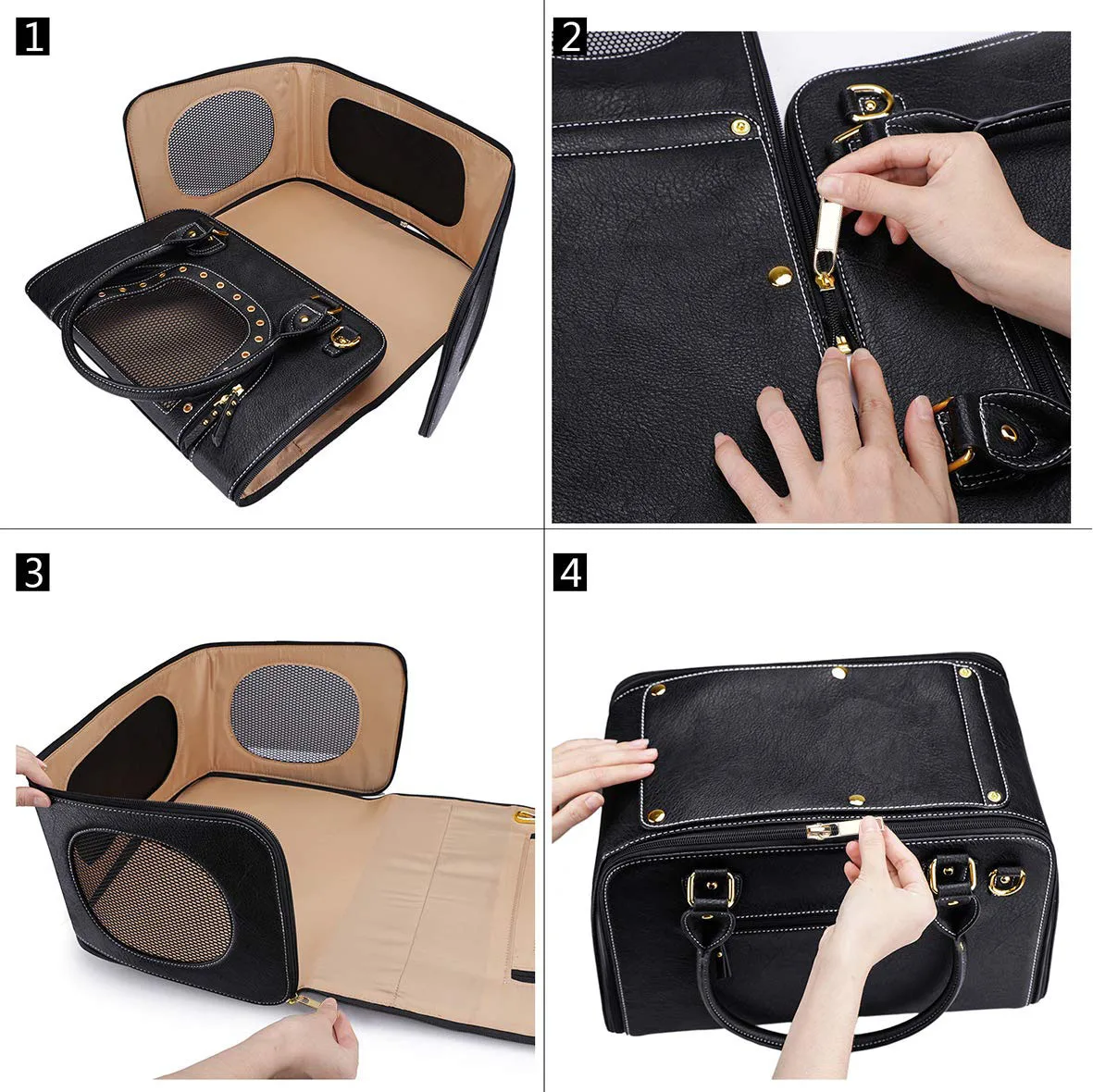
Padding is where the sleeve earns its existence, and the specification has three variables: foam family, thickness and how the foam is attached to the surrounding fabric.
Closed-cell EVA and closed-cell polyethylene are the two practical options. EVA is denser, recovers better after repeated compression and gives a firmer, more premium feel at 3 to 5 mm. Polyethylene is lighter and cheaper, and at 4 to 6 mm gives comparable impact protection with slightly less shape retention over years of use. Open-cell polyurethane foam should be avoided here: it absorbs water, holds its compressed shape and adds bulk without protection.
Thickness should be driven by the drop height the product is realistically exposed to, which for a handheld carrier is roughly one metre onto a hard floor. At that exposure, 4 mm of closed-cell foam laminated to both faces, with a 2 mm spacer mesh between foam and lining, is the specification that balances protection and bulk. Increasing to 6 mm adds measurable protection and 4 mm of panel thickness, which matters on a slim carrier.
Attachment method determines durability. Foam laminated to the outer fabric by flame or adhesive lamination stays flat and will not migrate; loose foam inserted between two fabric layers will bunch after washing and after a few months of use. Lamination adds a process step and cost, and it is the single upgrade most worth paying for in this component.
Compression set is the test that predicts long-term performance, and it is cheap to request. Foam held at 25 percent compression for 22 hours should recover above 90 percent of original thickness; anything lower means the sleeve will loosen and the device will rattle within a season. Standardised test methods for such material behaviour are published by ASTM International, and citing a named method on the specification sheet is the clearest way to make the requirement enforceable.
Edge treatment affects perceived protection as much as the foam does. A sleeve whose padding stops 15 mm short of the seam leaves the device corner over a hard seam; carrying the foam around the base of the sleeve or adding a folded gusset removes that weak point at negligible cost.
Lining Materials: Scratch, Lint and Static Behaviour
The lining is the surface in contact with a screen, and it is judged by customers far more harshly than its cost suggests. Three failure modes matter: scratching, lint transfer and static attraction of dust.
Brushed tricot at 140 to 180 gsm is the category standard for a reason. It is soft, it has enough loft to hold the device away from seams, it dries quickly and it takes dye well for a coloured interior. It does generate some lint in the first weeks, so a specified anti-pilling finish is worth requesting.
Microfiber suede gives a more premium hand and excellent scratch safety, and it photographs beautifully in an open-carrier product shot. It costs roughly 1.6 to 2.0 times brushed tricot, holds water longer and shows oils from handling, so it suits a premium tier rather than an everyday model.
Plain polyester twill or nylon lining should be avoided next to a screen. It is inexpensive and durable, but a woven face with any stiffness will mark a screen protector over time, and the flat weave shows every speck of dust. If cost pressure forces it, a calendered finish reduces the risk but does not remove it.
Static is the underrated problem. A synthetic lining in a dry climate will attract dust to the screen and make the device feel gritty. An anti-static finish applied to the lining, or a blended lining with a small natural-fibre content, removes most of the complaint at a cost measured in cents.
Lining colour is a design decision as much as a technical one. A light lining shows dirt and looks tired by the second month; a dark lining hides it but makes the sleeve interior read as a void in photography. A mid-tone that matches the brand accent is usually the strongest compromise. Colour matching to a brand standard should be referenced against a recognised library such as the one maintained by Pantone, and approved on the actual lining fabric rather than on the shell fabric, because dye uptake differs between the two.
Closure Options: Bound Elastic, Zip and Magnetic Tab
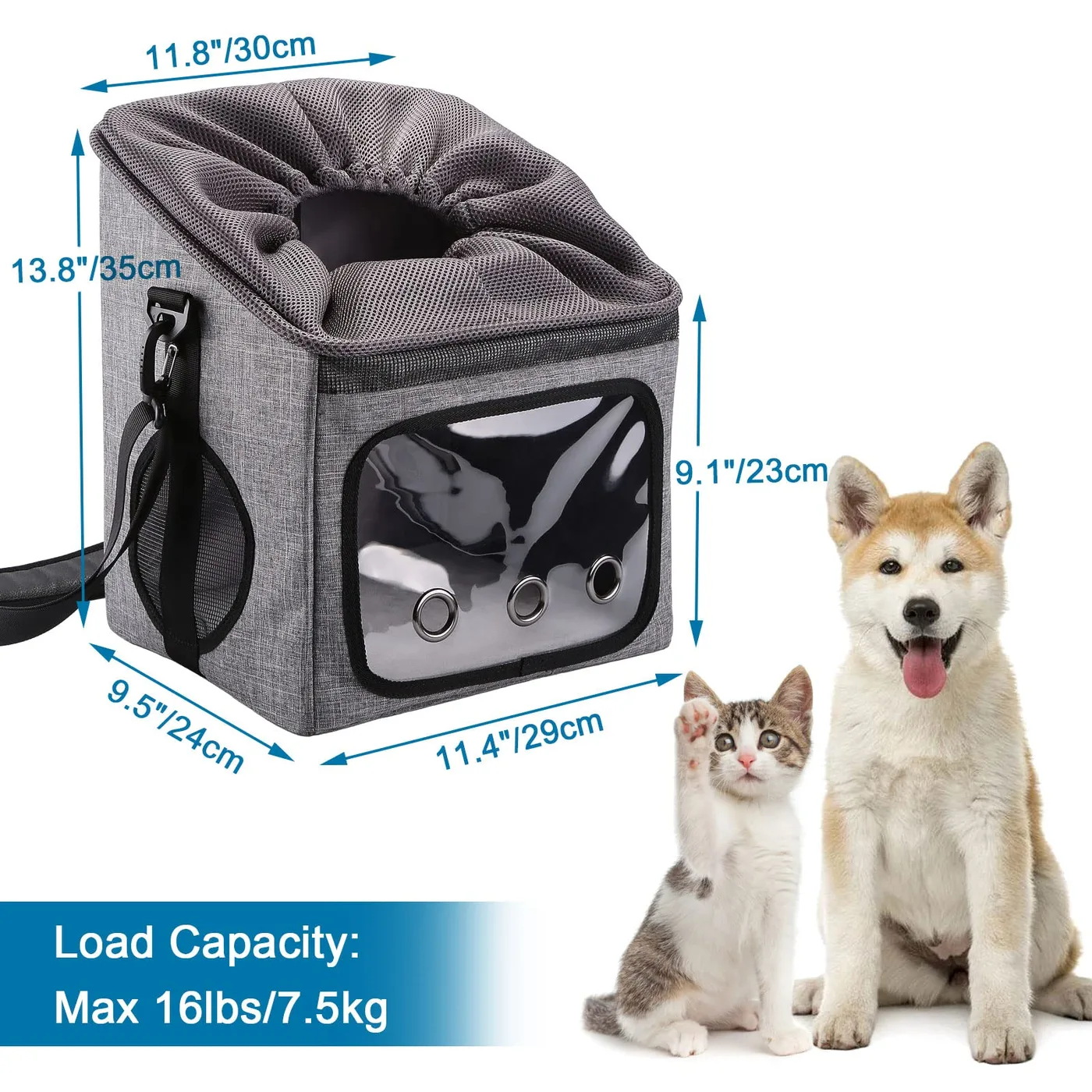
The sleeve closure decides both how secure the device is and how quickly it can be retrieved, and three families cover the design space.
A bound elastic mouth is the simplest and the quietest. Elastic binding of 20 to 25 mm, cut slightly short of the opening, holds the device against the body of the sleeve without any hardware. It is the cheapest option, it adds no weight, and it cannot scratch a device. Its limitation is retention under inversion: a carrier turned upside down will release a loose tablet. Elastic also loses tension over time, so the rubber content and a stated recovery value belong on the specification.
A zip closure gives positive retention and is the right choice where the carrier will be carried on a shoulder and swung. A #3 coil zip with a fabric garage at the top end prevents the slider from touching the device, and a reverse-coil construction keeps the teeth away from the screen. Zip choice also affects noise and perceived quality; a metal-teeth zip on a soft sleeve is a mismatch in both sound and style.
A magnetic tab closure is the most elegant and the one that needs the most care. A flat neodymium magnet pair hidden in the flap gives one-handed opening and a clean exterior, but the magnet must be separated from the device plane by the full foam thickness and placed at the outer edge of the flap, never over the screen area. Where the carrier also carries a card sleeve, the magnet should be kept at least 40 mm away from any magnetic-stripe or RFID element.
Hybrid designs work well: an elastic mouth for daily speed with a small snap tab for travel, or a short zip at one corner that secures the device without enclosing it. Combinations add cost in a predictable way and are often the best answer for a premium tier.
Whichever closure is chosen, it should be cycled in testing. Five hundred open-close cycles on a sample sleeve is enough to reveal binding stretch, zip alignment drift and magnet housing wear, and it is far cheaper to catch in sampling than in a returned batch.
Placement: Interior Panel, Lid Pocket or Exterior Face
Where the sleeve sits in the carrier determines protection, access speed and how the carrier balances when worn, and the three candidate positions behave very differently.
The interior back panel is the default recommendation. The sleeve lies flat against the surface nearest the wearer, the device is protected by the full structure of the carrier, and weight sits close to the body where it is easiest to carry. Access requires opening the main compartment, which is acceptable for a device that is retrieved at a destination rather than in transit.
An exterior front pocket gives the fastest access and the weakest protection. It suits a range positioned around commuting, where the tablet is pulled out at a security checkpoint or a cafe, but it needs rigid reinforcement or the device will be pressed against the wearer's hip when the carrier is carried at the side. It also puts the most expensive object in the bag on the most exposed face of the product.
A lid or top pocket is the option to avoid. Placing weight high and away from the body makes a loaded carrier tip backwards when set down and swing when carried, and the panel flexes every time the lid is opened, which works the lining and the foam attachment.
Orientation deserves its own decision. A vertical sleeve works on a tall carrier and reads as luggage; a horizontal sleeve suits a wide, low carrier and keeps the device below the centre of gravity. Mixing orientation across a size run is a mistake, because the panel pattern then has to be re-drafted for each size.
One structural detail is worth specifying explicitly: the sleeve panel should be suspended on its own facing rather than quilted directly to the shell fabric. A floating panel lets the device move slightly within the carrier structure instead of transmitting every impact from the outer shell straight into the screen.
Branding the Sleeve: Pullers, Labels and Metal Tabs
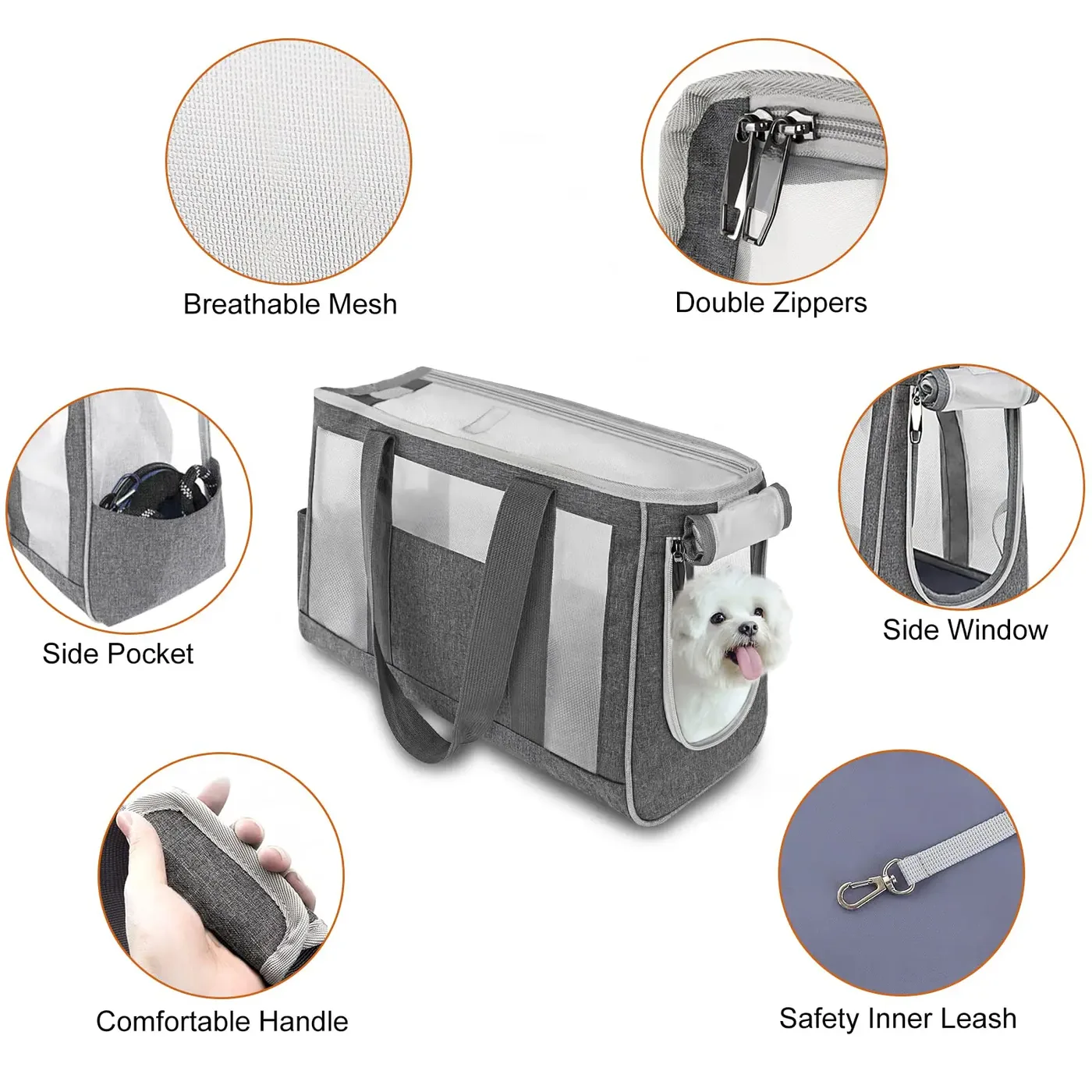
The sleeve is the highest-visibility interior surface in the product, which makes it the most efficient place in a carrier to carry brand identity. Four techniques cover the realistic options, each with a different cost profile and a different minimum.
A custom zip puller is the strongest single investment. A moulded TPU puller with a debossed or printed logo, or a cast zinc-alloy puller with a laser-etched mark, turns a commodity component into a signature detail. Tooling for a moulded puller is modest and amortises quickly across 500 pieces; cast metal tooling is higher and suits a programme intending repeat seasons.
A woven label set into the binding seam is the cheapest branded touch and reads as considered rather than promotional. Damask woven labels hold fine lettering well at 12 to 15 mm height, and a folded end label at the sleeve mouth is visible without dominating.
A heat-transfer print directly onto the lining is viable for simple marks and gradients, but it sits against a device and will abrade over time, so it belongs on the outer face of the sleeve rather than the lining. Where print is used inside, a soft-hand plastisol transfer with a matte finish is more comfortable than a glossy film.
A small metal tab or a debossed synthetic leather patch on the sleeve mouth is the premium option, and it is the detail most often photographed in unboxing content. Metal hardware in contact with the product should be specified with a verified finish; surface coating and metal content requirements for consumer products are overseen in the United States by the Consumer Product Safety Commission, and compliance documentation should be requested for any plated component.
Brand placement should be consistent across the range. One mark on the sleeve mouth and one on the shell is a coherent system; three competing marks in one interior reads as insecure. Because the sleeve is seen every time the carrier opens, restraint is the better design decision.
Testing, Cost and the Production Calendar
A tablet sleeve introduces a laminated panel, a lining and usually a custom hardware item, and each of those adds a process that needs a test and a line on the cost sheet. Planning all three up front is what keeps the feature at its intended margin.
Testing should cover four things. Seam strength at the sleeve base, because that seam carries device weight every time the carrier is lifted. Foam compression set, because loosening foam is the most common long-term complaint. Lining abrasion and colour transfer, where the relevant textile methods for rubbing and abrasion are published by AATCC. And zip cycling, because a slider that drifts out of alignment will jam within the first month of use.
Cost behaves predictably. A bound elastic sleeve with a standard lining and no branding adds $0.85 to $1.30 per unit at 500 pieces. Adding 4 mm laminated foam on both faces and a branded woven label moves the range to $1.60 to $2.10. A zip closure with a custom moulded puller and a premium lining reaches $2.40 to $3.20. Volume improves all of these: tripling quantity typically improves unit cost by 25 to 35 percent, and amortised puller tooling improves further on the second order.
The calendar is driven by tooling and lamination. Sampling takes 6-10 working days, and it should be planned with the real device in hand, because a sleeve approved on a cardboard mock-up will be re-sampled later. Bulk runs 35-50 days after sign-off, with custom puller tooling and laminated panels at the longer end. For a range launch tied to a trade show or a seasonal drop, tooling approval is the critical path item and should be started before the shell fabric is booked.
Quality control on this component is straightforward to define and worth defining explicitly: sleeve internal dimensions measured against the stated device, foam thickness verified at three points, lining inspected for pilling and shade, and the closure cycled ten times on the inspection bench. Recording those four checks against AQL 2.5 at our SGS-verified production base turns a subjective feature into an inspectable one.
Finally, plan the second season before the first ships. The sleeve panel, the foam tooling and the puller mould are the reusable assets in this feature, and reusing them across a new colour story is where the margin on a device pocket is actually made.
Specification Table: Sleeve Builds by Device Class
The comparison below summarises the three sleeve builds we recommend for private label programmes, with the dimensions, materials and cost indices that follow from each device class. Use it as the starting point for a tech pack, then adjust clearance and lining to the brand's price tier.
| Build | Device class | Internal clearance (mm) | Padding | Lining | Closure | Added cost index |
|---|---|---|---|---|---|---|
| Compact slip | 8-inch tablet | 222 x 152 | 3 mm EVA, single face | 150 gsm brushed tricot | 20 mm bound elastic | 1.0x |
| Standard padded | 11-inch tablet | 260 x 192 | 4 mm PE foam, both faces | 160 gsm brushed tricot, anti-static | #3 coil zip with garage | 1.8x |
| Work sleeve | 12.9-inch tablet | 300 x 228 | 5 mm EVA, both faces + spacer | Microfiber suede | Zip plus magnetic tab | 2.7x |
| Travel secure | 11-inch tablet in case | 276 x 208 | 4 mm EVA, wrapped base | 170 gsm tricot, anti-pilling | Reverse-coil zip, lockable slider | 2.2x |
Two caveats apply to every row. First, clearance assumes the device is bare or in a slim shell case; folio cases need an additional 8 mm on each dimension. Second, added cost indices are relative to the compact slip build at 500 pieces and exclude puller tooling, which is amortised separately and falls sharply on repeat orders.
Where the programme runs several carrier sizes from one pattern family, the sleeve should be held constant across the run rather than scaled. Holding the panel constant keeps the foam tooling, the puller tooling and the lining consumption identical across sizes, and it means a customer who owns two sizes of the same brand gets the same experience from both.
Production capability
- SGS-verified production space of 4,950 m², 149 machines, 7 assembly lines
- Pet carrier and pet bag output since 2014 from a 137-person team
- 200,000 units shipped monthly under BSCI and ISO 9001 systems
People Also Ask
How do I spec a tablet pocket for a private label carrier?
Fix the device class first, add 12 mm clearance on each dimension, then choose foam, lining and closure by price tier. Record all four on the tech pack before the panel is cut.
Does a tablet sleeve make a carrier more expensive to make?
It adds $0.85 to $3.20 per unit at 500 pieces depending on padding and hardware, but it raises perceived value across the whole product and supports a higher retail price.
Will foam padding flatten over time?
Good closed-cell foam recovers above 90 percent after 25 percent compression for 22 hours. Open-cell foam does not, which is why we specify closed-cell only.
Can the sleeve be washed?
Yes if the foam is laminated rather than loose. Loose foam migrates and bunches after washing; laminated panels stay flat through repeated cleaning.
Should the tablet pocket be inside or outside the carrier?
Inside on the back panel for protection and balance. An exterior pocket gives faster access but needs rigid reinforcement and exposes the most expensive item in the bag.
Is a branded puller worth the tooling cost?
Yes for any programme planning a second season, because tooling amortises over repeat orders and the puller is seen every time the carrier is opened.
Frequently Asked Questions
What size should a tablet pocket be in a custom pet carrier?
Specify 12 mm of clearance over the bare device on width and height, plus 6 mm of depth for a slim case. An 11-inch tablet needs roughly 260 x 192 mm internal; a 12.9-inch model needs roughly 300 x 228 mm.
Can one sleeve fit several tablet sizes?
Only within a class. A sleeve cut for a 12.9-inch device will let an 8-inch tablet sit low and rattle, so we recommend one panel per device class rather than one universal sleeve.
How much padding does a tablet sleeve need?
4 mm of closed-cell foam laminated to both faces is the balanced specification for a carrier, protecting against a one-metre drop onto a hard floor without adding bulk. 6 mm suits a work-oriented model.
Which lining is safest for a tablet screen?
Brushed tricot at 150-180 gsm with an anti-static finish is the safest everyday choice. Microfiber suede is softer and more premium but costs 1.6 to 2.0 times more and holds water longer.
Should the sleeve close with elastic or a zip?
Elastic is quieter, cheaper and cannot scratch a device, but it releases the tablet if the carrier is inverted. A #3 coil zip with a fabric garage gives positive retention and suits shoulder-carried designs.
Are magnetic closures safe near a tablet?
Yes when separated by the full foam thickness and placed at the outer edge of the flap, away from the screen area. Keep any magnet at least 40 mm from card sleeves or RFID elements.
Where should the sleeve be placed inside the carrier?
On the interior back panel, floating on its own facing rather than quilted to the shell. That position protects the device with the full carrier structure and keeps its weight close to the wearer.
Can the zip puller carry our logo?
Yes. A moulded TPU puller with a debossed or printed logo is the most cost-efficient branded hardware at 500 pieces; cast zinc-alloy with laser etching suits programmes planning repeat seasons.
What tests should a tablet sleeve pass before bulk?
Seam strength at the sleeve base, foam compression set above 90 percent recovery, lining abrasion and colour transfer, and 500 open-close cycles on the closure.
How much does a tablet pocket add to unit cost?
From $0.85 for a bound elastic slip sleeve to $3.20 for a zipped sleeve with premium lining and a custom puller, measured at 500 pieces before tooling amortisation.
Does the sleeve work across a full size run?
We recommend holding the sleeve panel constant across sizes. It keeps foam tooling, puller tooling and lining consumption identical, and gives a consistent experience across the range.
What is the production timeline for a sleeve programme?
Sampling takes 6-10 working days with the real device on hand, and bulk runs 35-50 days after sign-off, with custom puller tooling and laminated foam panels at the longer end.
Talk to QUANZHOU JUNYUAN BAGS about a pet carrier program: MOQ 500 pieces per colourway, samples in 6-10 working days, bulk production in 35-50 days under AQL 2.5 inspection.
Get a free quote Request a sample