Limited Edition Pet Carrier Drops: Exclusive Drop Planning
Yes. An exclusive limited edition custom pet carrier drop can be produced from MOQ 500 pieces per colourway, serialised and packed for release within a 6-10 working day sampling window and 35-50 days of bulk production. The scarcity comes from edition control, not from a smaller production run.
Executive summary
A drop is a commercial format before it is a design format. The product itself can be a carry-over body; what makes it an exclusive is the edition size, the numbering, the channel rules and the date on which the drop closes. That distinction matters because it keeps the engineering risk at zero while still letting the brand sell something that cannot be bought next month.
Production terms are unchanged from the core line: MOQ 500 pieces per colourway, samples in 6-10 working days, bulk in 35-50 days, inspection at AQL 2.5, T/T 30/70 and FOB Xiamen. What changes is documentation: our production team adds a serialisation plan, a numbered card or plate, and a controlled edition record so the number sold can be evidenced later.
- Edition size is a marketing decision, but it should sit at or above 500 units per colourway to hold unit economics.
- Numbering can be a printed card, a woven label, a laser-marked plate or an embroidered figure, each with a different cost and schedule impact.
- Allocation rules written before the drop prevent the channel conflict that usually follows a successful one.
Custom pet travel bag programmes are usually quoted with the airline dimension printed into the technical pack, so there is no argument at inspection.
What a limited drop actually changes in the product brief
The most useful thing to understand about a drop is that it changes very little on the technical side and a great deal on the documentation side. A limited edition pet carrier can be built on the same pattern, the same foam specification and the same hardware as a core item. What differs is the colourway reservation, the serialisation method, the packaging treatment and the date on which the edition closes. Recognising this saves brands from the expensive mistake of commissioning a new shape in order to make something feel rare.
Rarity has to be constructed deliberately. If a brand produces 500 units and simply sells them until they are gone, the customer has no way to know the run was finite. If the same 500 units carry an edition number, a release date and a stated total, the same physical object becomes a collectible. The product is identical; the information architecture around it is what creates value.
That information architecture has to be built into the tech pack. Edition size, numbering format, where the number appears, what the certificate or card says and how the edition record is stored are all production instructions. Leaving them to the marketing team at the last minute is the most common reason a drop ships late or ships with inconsistent numbering.
There is also a legal dimension. Stating that an item is one of 300 creates a representation, and the brand needs to be able to stand behind it. Keeping the production record, the inspection report and the shipment quantity aligned with the published edition size is a basic requirement of honest limited-edition marketing, and it is much easier to do when the record is planned in advance.
There is also a timing asymmetry worth planning around. Production capacity and material availability are the constraints at the start of a drop, while attention is the constraint at the end. That means the expensive mistakes happen early, in the specification and documentation phase, and the cheap mistakes happen late, in the announcement. The practical advice is to over-invest in the first two weeks of a drop brief.
Finally, a drop should be legible as part of the brand. The strongest exclusive programmes use the drop to introduce a treatment that later appears in the core range: a new lining print, an unusual hardware finish, a colour that becomes a signature. The drop is a research instrument that happens to pay for itself.
Numbering, edition size and the mechanics of scarcity
Edition size is set by three forces: the marketing story, the minimum viable production quantity and the sell-through risk. Below roughly 300 units the per-unit cost of decoration set-up and packaging becomes punitive; above 2,000 the word limited starts to strain credibility unless the channel is large. MOQ 500 pieces per colourway sits neatly in the middle, which is why most first drops land between 500 and 1,500 units.
| Method | Typical application | Cost character | Perceived value | Schedule impact |
|---|---|---|---|---|
| Printed numbered card | Loose card in the dust bag | Lowest; digital print, no tooling | Collectible but detachable | +1 day |
| Woven number label | Sewn into a side seam | Loom set-up plus variable data | Permanent, craft feel | +3-5 days |
| Embroidered number | Inside pocket or panel | Per-unit machine time | High, tactile | +2-3 days |
| Laser-marked metal plate | Front panel or zipper garage | Plate cost plus marking time | Highest, luxury cue | +5-7 days |
| Printed interior lining | Full lining with edition motif | Fabric print minimum applies | High at unboxing | +7-12 days |
| Hangtag with hand-written figure | External tag | Low unit, high labour | Artisanal, inconsistent | +2-4 days |
The numbering format itself deserves thought. A figure out of the total, such as 047 of 500, reads as more considered than a bare serial, and it makes the edition size self-documenting. Padding to a fixed number of digits also matters: 047 reads deliberate, 47 reads improvised.
Where the number goes is a design decision with a production consequence. A number on an external panel is visible in photography and drives desire; a number inside the bag is discovered at unboxing and drives attachment. Many programmes do both, with the external mark carrying the edition name and the internal mark carrying the figure.
Inventory integrity is the operational half of scarcity. If 500 units are produced and 12 are held for replacements, press and warranty, then the number offered for sale is 488 and that is the figure the edition should state. Deciding the hold quantity before the edition size is published keeps the public number honest without any later adjustment.
The edition record should be closed properly. Once the drop is complete, the brand should hold a simple document recording the edition name, size, colourway, production quantity, inspection result and shipment dates. That record is what allows customer service to answer questions two years later, and it is what makes the word exclusive defensible.
Making 500 units feel rarer than 5,000
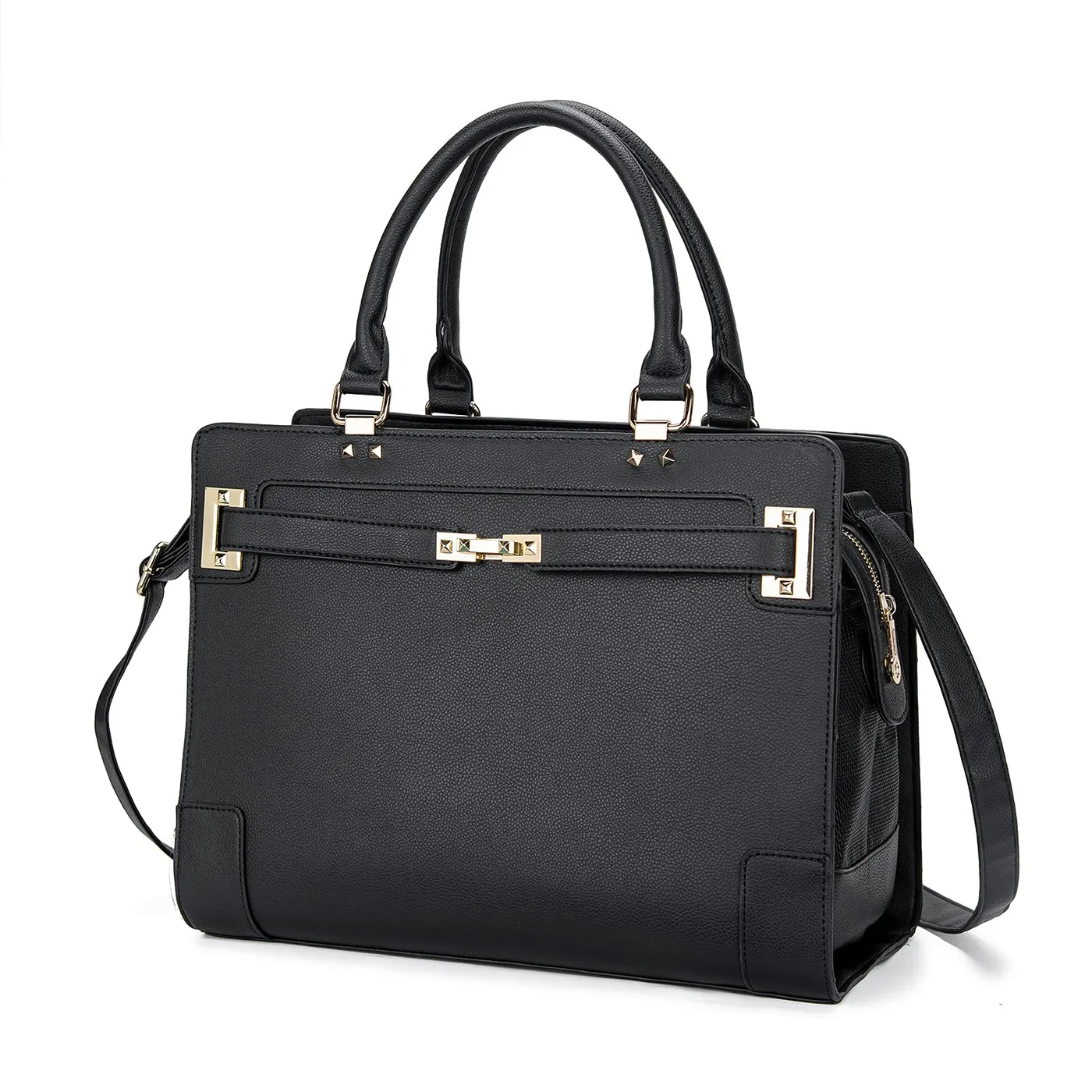
Scarcity is communicated through decisions that cost very little. The first is restraint in the colourway: a single colourway for a drop reads as an edition, while three colourways read as a small range. The second is a named theme rather than a descriptive name, because a name turns a product into a story that can be referenced in a mailing list. The third is a defined release moment, even if the actual mechanism is simply a date on which orders open.
Material choices carry the perception further than most brands expect. A heavier hand feel, a lining that contrasts with the shell, a zipper tape in a matching shade and a hardware finish that differs from the core line all signal that this object belongs to a different tier. None of these require new tooling. They are specification choices made inside the same 500-piece run.
Packaging does the remaining work. A drop that arrives in the standard polybag with a standard hangtag will be read as a colour variant regardless of what the website says. A drop that arrives with a numbered card, a heavier carton, a tissue wrap and a short printed note reads as an edition. The incremental packaging cost is typically 8-15% of unit cost and is recovered many times over in the price premium an exclusive tier can carry.
Photography and copy complete the effect, and they are the cheapest levers of all. Shooting the numbered detail, showing the edition card in the lifestyle imagery and using consistent edition language across channels costs nothing in production and does most of the perceptual work. The physical product only has to be good enough to justify the claim.
Accessibility is the counterweight to scarcity. A drop that is impossible to buy teaches customers to stop paying attention, and the resentment from a failed checkout lasts longer than the desire created by the announcement. A short, honest release window with a clear quantity available outperforms a chaotic scramble in almost every case.
One caution: scarcity mechanics that contradict reality damage brands quickly. Re-releasing a numbered edition in a different market, quietly producing more than the stated total, or running a permanent product under a limited badge are all shortcuts that customers notice. The edition record described above exists precisely to prevent that drift.
Decoration routes that scale down gracefully
Not every decoration behaves well at 500 units. Processes with a fixed tooling cost, such as moulded rubber patches or die-cast metal plates, carry a set-up that has to be amortised over a short run, which raises unit cost. Processes with no tooling, such as heat transfer or digital print, scale down cleanly and are often the right choice for a first drop even if they look less luxurious.
The usual solution is a hybrid. Let the variable, edition-specific artwork take the low-tooling route, and let the permanent brand mark take the high-tooling route because that tooling will be reused across future drops and across the core line. A moulded plate designed for the brand mark can serve five editions; a mould designed for one edition's motif will never be used again.
Embroidery sits in an interesting position. Digitising is a one-off cost and the process has no physical tooling, so it scales down well, but machine time is the variable cost and dense designs are slow. For a drop, a compact mark with a moderate stitch count gives the premium hand feel at a per-unit cost that stays predictable.
Quality discipline cannot relax just because the run is short. Every drop we produce is inspected at AQL 2.5 under the same system as a core run, and the inspection report becomes part of the edition record. A limited edition with visible faults is worse than no edition at all, because the customer who paid a premium is the customer most likely to say so publicly.
Where the drop involves a claim about materials, substantiation is required before launch. Certification and process discipline are audited, and our partner facilities operate under ISO 9001 quality management with social compliance audited to BSCI, and third-party verification such as SGS testing is available where a brand needs an independent report to support a marketing statement.
Serialisation, certificates and the unboxing ritual
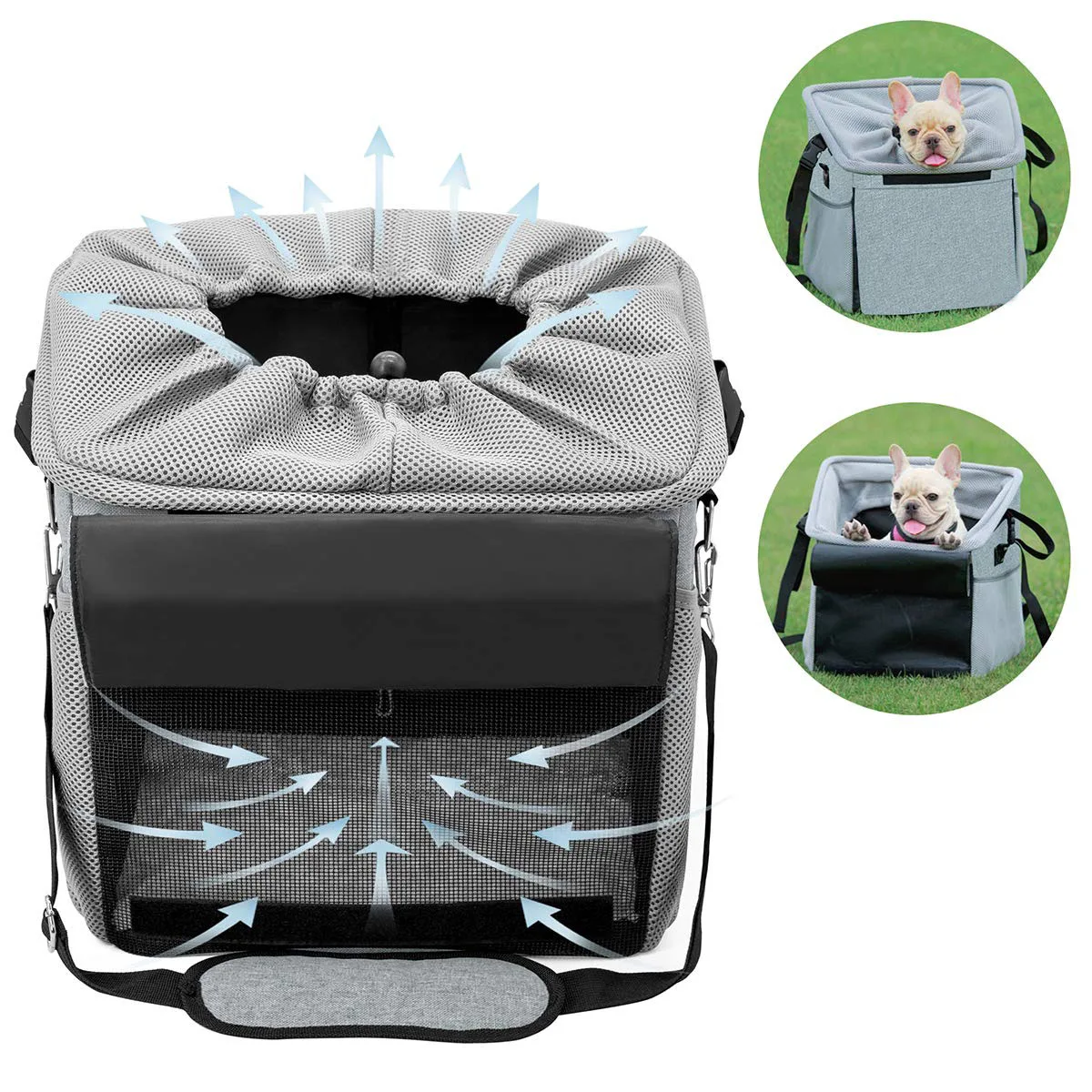
Unboxing is where a limited edition either proves itself or falls flat, and the sequence matters. The outer carton establishes that something different has arrived; the tissue or dust bag slows the opening down; the numbered card or plate delivers the scarcity message; and a short printed note gives the edition a voice. Four beats is enough. More than that becomes theatre the customer skips.
The certificate or card should carry a small amount of information well set: edition name, figure out of total, colourway name, material note and a care line. Resist the temptation to fill it with marketing copy. A card that looks considered and restrained reads as more valuable than one that explains how special the product is.
Serialisation has a practical production consequence: it introduces variable data into a line that otherwise runs identical units. The packing operation has to be instructed so that the card number, the bag and the carton stay matched, and a simple check at packing is enough to prevent mismatches. Our production team builds that check into the packing standard work rather than treating it as an afterthought.
Digital extensions are optional but increasingly expected. A QR code on the card can point to a page that shows the edition story, the material specification and care instructions. This costs nothing in production and gives the brand a way to keep the customer inside its own channels after the purchase, which is the real commercial value of a drop.
Finally, plan the replacement policy. If a numbered unit arrives damaged, the brand needs a rule: replace from a held buffer, replace with the same number, or refund. Deciding this before launch removes an awkward judgement call during the highest-attention week of the campaign.
Allocation, pre-orders and channel rules
Allocation is where most drops create problems. A successful exclusive generates demand from wholesale accounts, the brand's own store and marketplaces at the same time, and the brand has to decide in advance who gets the units. The cleanest structure is a written allocation: a fixed quantity to wholesale, a fixed quantity held for direct channels, and a small buffer held for replacements and press.
Pre-orders deserve particular care. Taking pre-orders against a production slot that has not yet been released creates risk if the schedule slips, and the standard sampling window of 6-10 working days plus 35-50 days of bulk production is a commitment that should be communicated honestly rather than shortened. Brands that promise a date inside the production window usually end up issuing apologies; brands that promise a window and deliver early earn goodwill.
Wholesale accounts also need rules about how the drop is presented. If a retailer discounts an exclusive item two weeks after launch, the brand's own premium positioning erodes. A simple minimum-advertised-price clause and a defined discount window are standard practice in exclusive programmes and are far easier to agree before the drop than after it.
Marketplace channels introduce a second issue: resale. A genuinely limited edition will attract resellers, and a brand should decide whether that is acceptable. Some programmes embrace it as evidence of demand; others limit purchase quantity per customer. Either position is defensible, but it should be a decision rather than a surprise.
Press and creator seeding have a production consequence that is easy to miss. Seeded units have to ship before the public release, which means a small quantity must be pulled from the run and dispatched on an earlier freight mode. Planning that split at order stage, rather than after bulk, is what allows coverage to land on the release date rather than two weeks after it.
Communication cadence closes the loop. A drop needs three moments: an announcement that establishes the edition and the date, a reminder shortly before orders open, and a close message once the edition is sold through. The close message is the one most brands forget, and it is the one that makes the next drop credible.
Pricing an exclusive drop without damaging the core line
An exclusive tier should sit above the core range by enough to be visibly different and close enough to remain believable. A premium of 25-60% over the comparable core item is the range that works in most pet categories; below that the drop looks like a colour variant, and above it the drop makes the core line look cheap by comparison. The right number depends on how much material and packaging change the customer can see.
The cost side is straightforward but easy to misread. Set-up costs amortised over 500 units, packaging upgrades and serialisation labour typically add 12-20% to unit cost. The remaining premium is margin, and it is justified by the marketing value of the drop rather than by the physical product. Understanding that split prevents the classic error of pricing a drop at cost plus a standard markup and leaving the entire opportunity on the table.
Core-line protection is the other half of the calculation. If the exclusive item is materially better than the core item at a similar price, the core range stops selling. The clean way to avoid cannibalisation is to make the drop different in kind rather than better in degree: an unusual colour, a distinctive lining, a numbered treatment, rather than a stronger specification at the same money.
Post-drop pricing discipline matters too. Discounting the unsold remainder heavily in the weeks after the drop teaches customers to wait for the next one. A better structure is to hold a small quantity back, retire the edition publicly, and let any remainder go to a controlled outlet channel once the season closes.
Wholesale margin deserves a separate line in the calculation, because drops sold through retail partners carry a different structure from direct sales. If the drop price leaves the retailer an insufficient margin, the partner will not merchandise it, and the edition will sit in a stockroom. Setting the wholesale and direct prices together, with both margins visible, prevents that outcome.
Over a year, the financial case for drops is less about margin and more about attention. Two or three well-executed drops generate press, social content and list engagement that a permanent range cannot. Measured that way, the drop programme is a marketing channel with a product attached, and it should be budgeted like one.
From one drop to a repeatable drop calendar
The first drop is a project; the third should be a process. Standardising the parts that do not need to change is what makes that possible: the numbering format, the card layout, the packing check, the allocation rules and the announcement template. Once those are fixed, each new drop only requires a colourway decision, an artwork brief and a date, which takes the development load from weeks down to days.
Cadence should match the audience rather than the production capacity. Quarterly drops suit a brand with an engaged list and wholesale partners who plan seasonal floors; twice-yearly suits a brand still building its audience. More frequent drops dilute the signal unless each one carries a genuinely different idea.
The calendar also has to respect production reality. Sampling at 6-10 working days and bulk at 35-50 days means a drop cannot be announced with a firm delivery date less than roughly 90 days out for ocean freight. Brands that run a drop calendar build the announcement dates backwards from the production slot, in the same way a seasonal capsule does, and our notes on holiday themed seasonal programmes apply almost directly.
Archive discipline is what makes a drop programme compound. Keeping the tech pack, the edition record, the packaging artwork and the inspection report for each drop means the fourth drop can be specified in an afternoon instead of a fortnight, and it gives the brand a documented history that supports the exclusive claim in future marketing.
Each drop should leave the brand with three assets: a sold-out edition, a set of customer data, and a tested treatment that can graduate into the permanent range. Reviewing those three outcomes after every drop is what turns a series of one-off ideas into a programme with compounding value.
The long-term destination for most brands is a three-tier architecture: a core line that carries volume, a seasonal capsule that carries the calendar, and a limited tier that carries the story. Designing those tiers deliberately, rather than letting them emerge, is the difference between a brand with a range and a brand with a point of view.
The five documents every drop should have
Before a drop goes live, five documents should exist: a tech pack with the edition specification, a serialisation and packing instruction, an allocation table by channel, an edition record template, and a replacement policy. None are large, and together they prevent almost every failure mode described in this guide.
Production capability
- SGS-verified production space of 4,950 m², 149 machines, 7 assembly lines
- Pet carrier and pet bag output since 2014 from a 137-person team
- 200,000 units shipped monthly under BSCI and ISO 9001 systems
People Also Ask
How do you run a limited edition product drop?
Fix the edition size and numbering format, apply them to a carry-over body, write allocation rules by channel, and announce a delivery window built backwards from the production slot.
What makes a product feel limited edition?
A single named colourway, a visible edition number, upgraded packaging and a defined release moment. Those cues cost little and carry most of the perception.
Can small brands do exclusive product drops?
Yes. MOQ 500 pieces per colourway makes a drop accessible to a small brand, provided the edition story is carried by documentation and packaging rather than by new tooling.
How many units should a limited edition be?
Between 500 and 1,500 units for most pet brands. Below 300 the set-up costs dominate; above 2,000 the limited claim becomes harder to sustain.
Do limited edition products sell better?
They convert better during the release window because they create urgency, and they generate earned attention that a permanent range does not. They are a marketing channel as much as a product tier.
What is a numbered edition in product design?
A production run in which each unit carries a figure out of a stated total, supported by a production record that evidences the quantity made.
Should a drop use a new shape or an existing one?
An existing proven shape. Exclusivity comes from colour, lining, numbering and packaging, not from re-engineering a structure inside a short calendar.
Frequently Asked Questions
What is the minimum quantity for a limited edition pet carrier?
MOQ is 500 pieces per colourway. Most first drops run between 500 and 1,500 units, which keeps decoration set-up and packaging costs inside a workable unit cost.
Can a limited edition be produced on an existing bag shape?
Yes, and it is the recommended route. Reusing a proven pattern removes engineering risk and lets the budget go into colour, lining, numbering and packaging.
How is a limited edition carrier numbered?
Options include a printed numbered card, a woven number label, an embroidered figure, a laser-marked metal plate or a printed lining. Choice depends on budget, perceived value and schedule.
How long does an exclusive drop take from artwork to delivery?
Sampling takes 6-10 working days after artwork approval and bulk takes 35-50 days, plus ocean transit of 25-35 days. Plan announcements at least 90 days before the intended delivery date.
Can we hold an exclusive colourway so nobody else uses it?
Yes. A colourway can be reserved for your brand under a written agreement for a defined period and territory, and the reservation is recorded in the colour standard file.
What stops a retailer discounting our drop immediately?
A minimum advertised price clause and a defined discount window agreed before allocation. These terms are standard in exclusive programmes and much easier to agree in advance.
Is a certificate of authenticity included?
It can be. The usual form is a printed card carrying the edition name, the figure out of total, the colourway, a material note and a care line, optionally with a QR code to an online edition page.
How do pre-orders work against a production slot?
Pre-orders should quote a delivery window rather than a fixed date inside the production schedule. Sampling runs 6-10 working days and bulk 35-50 days, and ocean transit adds several weeks.
Can each unit carry a different number without slowing packing?
Yes, with a packing instruction and a simple match check at the packing bench. Our production team builds the check into standard work so card, bag and carton stay aligned.
What inspection standard applies to a small exclusive run?
The same as any other run: AQL 2.5 final inspection, with the report retained as part of the edition record.
How much should an exclusive drop cost compared with the core item?
A retail premium of 25-60% over the comparable core item is typical. Unit cost usually rises 12-20% from set-up amortisation, packaging and serialisation labour.
Can we re-release a numbered edition later?
Only if the original edition record is closed and the new release is described as a separate edition. Re-running the same numbers undermines the claim and is not supported.
Do you hold a buffer for damaged or replacement units?
Yes. We recommend holding 1-2% of the edition as a replacement buffer, and the replacement policy should be written before launch.
Talk to QUANZHOU JUNYUAN BAGS about a pet carrier program: MOQ 500 pieces per colourway, samples in 6-10 working days, bulk production in 35-50 days under AQL 2.5 inspection.
Get a free quote Request a sample