Custom Packaging: Retail Box Design
A custom retail box for a pet carrier has to solve three problems at once: sell at two metres, survive transit, and ship at a viable cube. Design it as two layers - a printed retail carton and a protective transit pack - with MOQ 500 per colourway.
Packaging is the last design decision in a custom pet carrier program and the first thing a customer touches, and it is where the most avoidable cost in the program usually hides. This guide treats the retail box as two layers with different jobs: an outer printed carton designed for the shelf, and a transit specification - board grade, inner packing count, void fill and carton marking - designed from test results rather than from habit. It covers dieline selection, board grade and flute, print and finish choices that read at two metres, window and insert design, transit performance testing, carton cube and freight economics, sustainability choices, and the cost model behind all of them. Commercial floor is MOQ 500 pieces per colourway; sample rounds run 6-10 working days each, including a packing sample; bulk production runs 35-50 days after sample approval and deposit; and every shipment releases against an AQL 2.5 inspection report. The single most valuable discipline is to design the box after the product's final exterior dimensions are frozen and to test the packed carton before the print run is booked.
Personalized pet carrier work splits into two tracks: variable data such as a name, and fixed branding such as a woven label or patch.
Designing Against the Shelf, Not the Desk
The most common packaging failure is a box designed on a desk and judged at arm's length. Retail reality is different: a pet carrier box is seen at two to three metres, at eye level or below, in a row of competing boxes, often under flat overhead lighting, and the customer gives it a few seconds at most.
At that distance, detail disappears. Fine type, subtle tints, small icons and delicate linework are all invisible. What survives distance is contrast, silhouette and one clear focal point: a large brand mark, a strong colour field, and a single product image large enough to read as a product.
This changes the design brief. Instead of "design a box", the brief becomes "design a two-metre impression and a ten-second close read". The front face carries the distance impression - mark, product image, one claim. The side and back faces carry the close read - features, sizing, care, barcode, compliance.
Shelf context also dictates proportions. If the product sits on a shelf beside other pet travel products, the box's vertical proportion and the position of the brand mark determine whether it reads as part of the category or as an intruder. Borrowing one convention from the category and then breaking one - a familiar image placement with an unexpected colour field - is often the most effective strategy.
Finally, decide the photography before the dieline is drawn. The product image on the box should be the same three-quarter hero shot used on the product page, showing the ventilation field and the logo together, because consistency between packaging and e-commerce imagery is what makes a brand feel coherent.
Structure First: Choosing the Right Dieline
Structure is decided before graphics, because the dieline determines what can be printed where, how much board is used, how the product sits, and how the carton packs. Choosing structure from a stock dieline is usually the right call for a first drop.
The reverse tuck end carton is the default retail box: economical, fast to erect, and familiar to retail staff. It suits a product that sits upright on a shelf and carries graphics on the front and back faces.
The straight tuck or auto-bottom carton gives a stronger base and cleaner front face, which matters for a heavier product or for a box that will be stacked. Auto-bottom cartons erect faster at packing, which reduces labour cost on larger runs.
A window carton adds a film panel that shows the product, and on a pet carrier this is genuinely effective because the product's texture, colour and ventilation field sell themselves. The trade-offs are cost, reduced print area, and a structural weak point that must be compensated in the board specification.
A rigid set-up box is the premium option: heavy wrapped board, a lid and base, and a far higher unit cost. It suits gift positioning or a collaboration drop, and it usually requires an outer transit carton because a rigid box does not survive distribution on its own.
| Structure | Board use | Erection speed | Print area | Typical use | Cost index |
|---|---|---|---|---|---|
| Reverse tuck end | Low | Fast | Full wrap | Core retail drop | 1.00 |
| Auto-bottom | Low-medium | Very fast | Full wrap | Heavier products | 1.15 |
| Window carton | Medium plus film | Medium | Reduced | Texture-led products | 1.30 |
| Sleeve and tray | Medium | Medium | Sleeve face | Premium, gift | 1.45 |
| Rigid set-up box | High | Slow | Wrap plus inner | Collaboration, gift | 2.20+ |
Two practical rules. Design to a stock dieline for the first drop, because a custom dieline carries tooling cost and lead time that a first season rarely justifies. And confirm the internal clearance - a box that fits tightly looks precise but makes packing slow and risks abrasion on the product's corners.
Board Grade and Protection: Setting the Spec From Test Results
Board specification is an engineering decision that should be made from data, not from a sample that felt sturdy. The two variables are board grade and flute profile, and together they determine compression strength, print surface and cost.
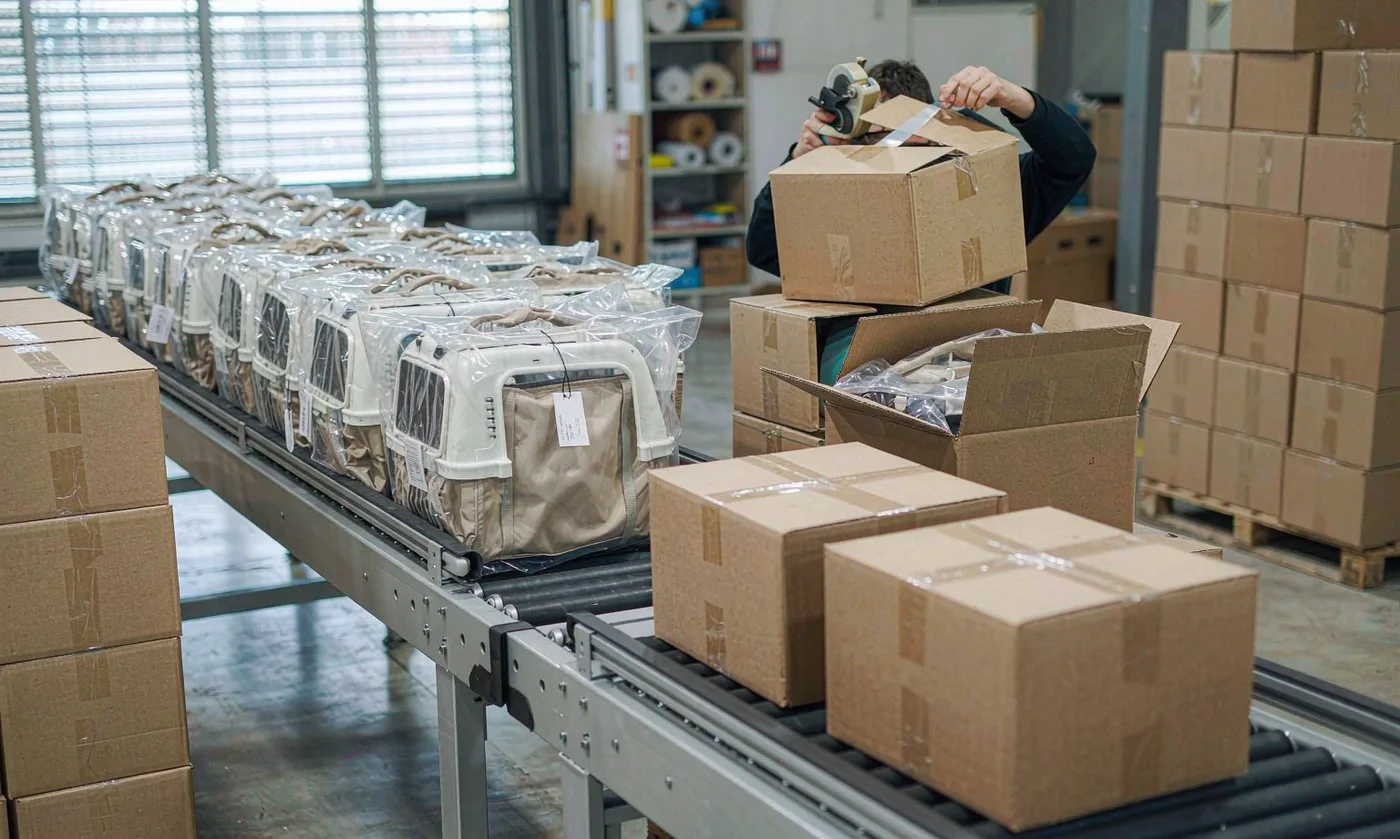
For a printed retail carton, solid bleached sulphate or a coated recycled board in the 300-400 gsm range gives the print surface most brands want. For the transit carton, corrugated board with a B or E flute is typical: E flute prints well and is used where the transit carton is also the retail-facing one; B flute gives better stacking strength and is the standard for a plain shipper.
Protection is then verified by test. Drop, compression and vibration performance of a packed carton is assessed using recognised test methods published by ASTM International, and the board grade, inner packing count and void fill are set from the result. A specification arrived at this way usually costs less than one arrived at by over-specifying - and it is defensible when a retailer asks why a carton failed.
Interior protection deserves its own decision. A moulded pulp or corrugated insert holds the product centrally and protects corners, but adds cost and cube. A simple paper void fill or a kraft wrap costs less and works well for a product that is itself soft-sided. The right answer depends on whether the product has rigid elements - a structured carrier with a frame needs more support than a soft tote.
One caution that is easy to miss: coated board and certain laminates scuff in transit. A matte lamination or an aqueous coating is not only an aesthetic choice, it is the difference between a carton that arrives scuffed and one that arrives sellable.
Print and Finish: What Reads at Two Metres and What Sells at Ten Centimetres
Print and finish on a retail box should be budgeted in two tiers, because the front face and the rest of the carton do different jobs and do not need the same spend.
The front face earns the finish budget. A four-colour print on coated board with a matte lamination is the baseline; adding spot UV on the brand mark creates a gloss-on-matte contrast that catches light at distance, which is the cheapest way to make a mark read from across an aisle. Foil blocking reads premium up close and is affordable when applied to a logotype rather than to a field.
The remaining faces should be economical: fewer colours, no lamination, and type set for legibility rather than for effect. A box that spends its entire budget on the front and keeps the back plain outperforms one that spreads the same budget evenly.
Colour accuracy on board is its own discipline. Coated and uncoated stocks shift the same Pantone reference noticeably - uncoated absorbs and drops value - so artwork should be proofed on the actual stock, and codes should be specified for coated and uncoated separately. Approve a printed proof, not a screen rendering.
Typography needs small-type discipline. Ingredient-style detail, compliance copy and care information are set at 6-8 points on an absorbent surface; thin hairlines fill in and light grey disappears. Choose a typeface with open counters, avoid weights below regular, and test the actual printed proof at reading distance.
Finally, plan the finish for the supply chain, not only for the shelf. High-gloss surfaces scuff, soft-touch coatings mark, and foil can crack on a fold. Test the finished carton through a packing and transit cycle before the full run.
Windows, Inserts and Structural Storytelling
A box can tell a story with structure rather than with print, and structural storytelling is often more memorable because customers interact with it rather than read it.
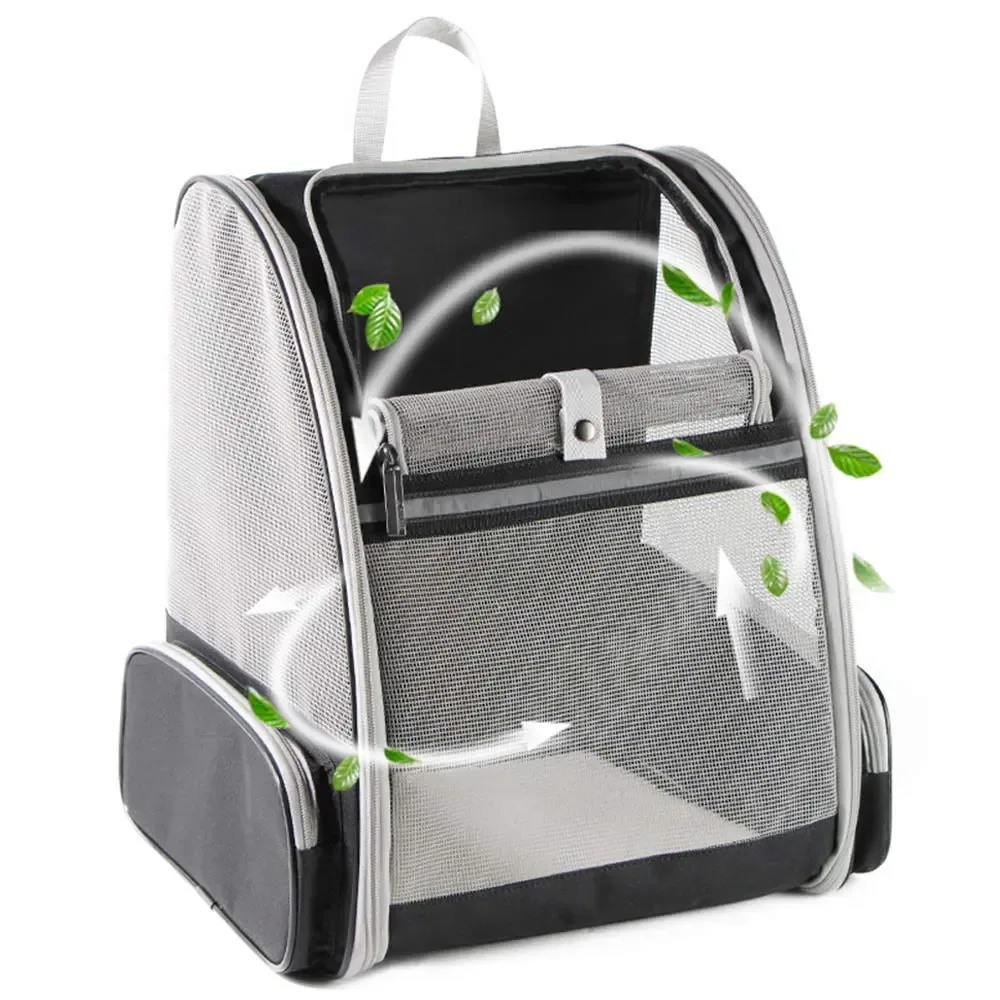
A window is the simplest version. Its placement should be designed, not defaulted: show the ventilation field and the brand mark together, because those are the two features that convert. A shaped window - following the product silhouette or the logo outline - costs no more than a rectangle in unit terms and reads as designed. Film choice matters: clear PET gives clarity, while a matte or anti-glare film avoids the reflections that make a window look cheap under retail lighting.
An interior print is the second version and the most underused. Printing the inside of the carton - a colour flood, a pattern, a message revealed when the lid opens - costs one extra print pass and creates the moment of opening that customers photograph. For an e-commerce-led brand this is often more valuable than anything on the outside.
An insert tray or collar is the third version: it frames the product, holds it in place, and can carry a printed message on its inner surface. It adds cost and assembly time, so it belongs on a premium or collaboration drop rather than on a core one.
The insert card is the fourth and cheapest. A thank-you note, a care card and a single call to action cost cents and measurably affect repeat purchase, because the unboxing is the only moment a brand has a customer's undivided attention. Coordinate it with the box in typeface, accent colour and voice - our insert card guide covers the sequence.
Transit Performance: Carton, Cube and Freight Economics
Freight is the cost that recurs on every reorder for the life of the product, and it is locked in by packaging decisions made before the first order. Carton cube - the packed volume per unit - is the number to manage.
Three decisions drive cube. Whether the product ships assembled, nested or flat; how many units fit per carton; and how much void fill is required. A carrier that nests or folds can reduce cube substantially against one that ships fully assembled, and the saving repeats on every shipment for years.
Packing count should be set from the product, not from a round number. Over-packed cartons burst and under-packed cartons crush; the right count is the one that fills the carton with minimal void while keeping stacking strength. It is determined during the packing sample, and it should be recorded in the tech pack so reorders match.
Carton marking is the administrative layer that prevents receiving delays: shipping marks, SKU and colourway, quantity, carton number, and the retailer's own label format where one is specified. Retailers frequently specify carton labels and pallet patterns in a vendor guide, and mismatches are charged back to the brand.
| Decision | Effect on cube | Effect on unit cost | Note |
|---|---|---|---|
| Ship assembled | Highest cube | No assembly labour | Simplest, most expensive to ship |
| Ship nested | Reduces 15-30 percent | Minimal change | Best saving for soft-sided shapes |
| Ship flat, assemble in box | Reduces 30-50 percent | Adds assembly labour | Suits fold-flat platforms |
| Optimise packing count | Reduces void fill | Lower freight per unit | Set during packing sample |
| Lighter board, correct grade | No change | Lower material cost | Only after transit testing |
Verification closes the loop. Transit performance is assessed with recognised methods published by ASTM International, and inspection of packing, marking and quantity is included in the AQL 2.5 final inspection. Independent verification is available through third-party bodies such as SGS.

Sustainability Choices That Survive Scrutiny
Packaging sustainability is now a retail requirement in many accounts rather than a brand preference, and the choices available are genuinely better than they were a few years ago. The discipline is to make changes that are real and communicable rather than cosmetic.
Material is the first lever: recycled content board, FSC-certified board, and the removal of a plastic laminate in favour of an aqueous or bio-based coating. Each has a cost and performance implication - a plastic-free coating scuffs more easily, so it should be paired with a transit test.
Right-sizing is the second and the most overlooked. Reducing carton dimensions to fit the product cuts material, freight and void fill at once, and it is the single change with the best ratio of impact to effort. It requires the packing sample discipline described above, not a redesign.
Plastic elimination is the third: paper tape instead of plastic tape, paper ties instead of plastic fasteners on the hang tag, and paper void fill instead of bubble wrap. Each is small; together they form a story a customer can verify by opening the box, which is what makes it credible.
Claims on the box should follow the same rules as claims on the tag: specific, verifiable and scoped. Name the material and the proportion, hold the certificate, and state which components the claim covers. Where a retailer requires documented textile or material standards, certificates are collected at sample stage rather than after shipment.
Finally, disposal instructions are a small but genuinely useful addition - a simple statement of which elements are recyclable and how to separate them. It costs a line of type and it is read.
Cost Model, Sampling Sequence and Release
Packaging cost is a combination of material, print, finishing, tooling and freight, and each behaves differently as volume changes. Knowing which is which lets a brand spend where it shows.
Material scales linearly and is the easiest to predict. Print carries a set-up charge per colour per face plus a per-unit cost, so reducing colours on secondary faces is a direct saving. Finishing carries per-pass charges and can exceed the print cost on a heavily finished box. Tooling - a cutting die, an emboss block, a foil plate - is a one-off charge that amortises over the life of the product, which is why it belongs on a design that will run for several seasons.
Freight is the recurring lever and it is set by cube, as described above. Over a product's life, freight usually exceeds the one-off tooling cost, which is why cube deserves attention at design stage rather than at booking.
The sampling sequence protects all of it. Packaging artwork is developed after the product's final exterior dimensions are frozen, normally as a third sample round covering the retail carton, hang tag, insert card, polybag and carton packing count. A printed proof is approved on the actual stock, and a packed carton is tested before the print run is booked - because a carton that fails transit after 2,000 boxes are printed is an expensive lesson.
Release is then governed by inspection: an AQL 2.5 final random inspection with a written report covering print quality, carton construction, packing count and marking accuracy, with the quality management system behind production maintained to ISO 9001 requirements. Hold one packed golden carton as the reference for every reorder.
Packaging for E-commerce Versus Shelf
The same product shipped to a warehouse and shipped to a store needs two different packaging answers, and most brands only design one. Understanding the difference prevents both overspending and damage.
Shelf packaging is designed for visibility and for the shopper's hand: a printed carton, a window, a strong front face, and enough stiffness to stand upright under retail lighting. It assumes a controlled environment where the box is handled a few times.
E-commerce packaging assumes the opposite: an uncontrolled parcel network, multiple handling points, and no shelf presence whatsoever. What matters is protection, cube, and the interior experience - because the exterior is a plain shipper that nobody photographs.
The practical resolution for a brand selling in both channels is a retail carton that is also the shipper, protected by a tested transit specification, plus a designed interior. The interior print, the insert cards and the wrap do the brand work on the unboxing; the exterior does the protective work.
Where volumes justify two specifications, an e-commerce version can drop the lamination and the window, reduce the print to one or two colours, and put the saving into a stronger board grade and better interior protection. That is usually cheaper per unit and performs better in the parcel network.
Either way, cube is the recurring cost. An e-commerce-led brand should optimise cube before print, because freight is paid on every order while the carton's front face is seen by nobody.
The final consideration is returns. E-commerce packaging should be designed to be resealable and reusable by the customer, because a product that cannot easily go back into its own box is more likely to be returned and less likely to be reordered.
Working with a stock dieline
A stock dieline is not a compromise; for a first drop it is usually the smarter choice, because it removes tooling cost and lead time from a season that has enough other risks. The skill is in adapting artwork to a standard shape so that the box still looks bespoke.
Three adaptations do most of the work. A full-bleed colour field removes the visual boundaries of the standard shape and makes the panel proportions read as designed. A strong vertical or horizontal blocking line changes the perceived proportion without changing the structure. And a hero image that breaks the panel edge - extending past a fold or off the top of the face - makes the box feel larger and more confident.
Where a custom die is justified - usually a second or third season, or a collaboration - the cost is a one-off tooling charge that then amortises over every subsequent run. By that point the volume exists to justify it, and the brand has real data about which faces and which sizes are doing the selling.
The packing sample: what to check before booking the print run
The packing sample is the last checkpoint and the one that prevents the most expensive category of error - a print run booked against a carton that then fails. Seven checks close it out.
Confirm that the product fits with the intended clearance and that packing is not a struggle, since slow packing is a real labour cost on large runs. Confirm the packing count and the void fill, and record both in the tech pack. Confirm that inserts and cards sit flat and are found in the intended order.
Confirm that the barcode on the carton or tag scans, and that the carton marking matches the retailer's format. Confirm that the product's corners and hardware are not abrading against the board. Confirm the carton closes without bowing.
Then test: a drop and compression cycle on the packed carton, or a real shipment to yourself. Only after that should the print run be booked, because a carton that fails transit after printing is far more expensive than a carton that fails before it.
Why brands source here
- Pet carrier programs run since 2014; founding team in sewn goods since 2004
- SGS-verified production floor of 4,950 m² with 137 workers across 7 lines
- Monthly capacity of 200,000 units, audited to BSCI and ISO 9001
People Also Ask
How much does custom packaging add to unit cost?
Material scales linearly, print adds a per-colour set-up, finishing adds per-pass charges that can exceed print on a heavily finished box, and tooling is a one-off amortised over the product's life.
What box style is best for a pet carrier?
A reverse tuck end carton on a stock dieline for a core drop; an auto-bottom for a heavier product; a window carton where texture sells; a rigid set-up box only for gift or collaboration positioning.
How do I stop boxes arriving damaged?
Set board grade, packing count and void fill from ASTM transit test results, add a scuff-resistant coating, and verify a packed carton through a transit cycle before booking the print run.
Does a window weaken the box?
It creates a structural weak point that must be compensated in the board specification and often with an interior frame. The compensation is small; ignoring it is not.
Can packaging be designed after the product is sampled?
It should be. Packaging depends on final exterior dimensions, so artwork developed before those dimensions are stable will need to be redrawn.
What is the cheapest way to make packaging look premium?
One hero finish on the front face - matte lamination plus spot UV on the mark - combined with restrained typography and a heavier stock. Spending evenly across all faces looks cheaper for the same money.
How do I reduce packaging waste?
Right-size the carton to the product, increase the packing count to reduce void fill, switch to recycled board and paper-based tapes and ties, and remove plastic laminates where transit testing allows.
Frequently Asked Questions
What is the MOQ for a custom retail box?
Print runs are booked by season because print set-up dominates at low volumes. The wider program floor is MOQ 500 pieces per colourway, and first drops are usually designed to a stock dieline to avoid tooling cost.
When should packaging design start?
After the product's final exterior dimensions are frozen, normally as a third sample round covering retail carton, hang tag, insert card, polybag and carton packing count.
Which board grade should we use?
300-400 gsm coated or recycled board for the printed retail carton; E or B flute corrugated for the transit carton. The final grade should be set from transit test results rather than from a sample that felt sturdy.
Do we need a window in the box?
Not required, but effective for a pet carrier because texture, colour and the ventilation field sell the product. Place the window to show the ventilation field and the brand mark together.
How is transit performance verified?
With recognised drop, compression and vibration test methods published by ASTM International. Board grade, packing count and void fill are set from the results, and independent verification is available through third-party inspection bodies.
How can we reduce freight cost?
Reduce carton cube. Nesting or flat packing, an optimised packing count and minimal void fill cut freight on every reorder for the life of the product.
Can we use recycled and plastic-free materials?
Yes. Recycled or FSC-certified board, aqueous or bio-based coatings, paper tape and paper ties are all available, though a plastic-free coating scuffs more readily and should be paired with a transit test.
Should the box match the e-commerce photography?
Yes. Use the same three-quarter hero shot on the box and the product page, showing the ventilation field and logo together, so the brand reads consistently in both channels.
Can we print inside the box?
Yes, at the cost of one extra print pass. An interior colour flood or message revealed on opening is one of the highest-value packaging details for an e-commerce-led brand.
How long does packaging sampling take?
Sample rounds run 6-10 working days each, with packaging normally approved in the final round after the product dimensions are stable. Bulk production then runs 35-50 days.
What finishes work best on a retail box?
Matte lamination with spot UV on the brand mark for distance impact, and foil blocking for a premium close read. Apply finishes to the front face and keep secondary faces economical.
How are cartons inspected before shipment?
Under an AQL 2.5 final inspection covering print quality, carton construction, packing count and marking accuracy, with a written report issued before cartons close.
Should we keep a reference carton?
Yes. One packed golden carton is kept as the reference for every reorder, alongside the golden product sample, so packaging specification does not drift between seasons.
Talk to QUANZHOU JUNYUAN BAGS about a pet carrier program: MOQ 500 pieces per colourway, samples in 6-10 working days, bulk production in 35-50 days under AQL 2.5 inspection.
Get a free quote Request a sample