Faux Leather Pet Carriers: Building a Credible Vegan Line
Faux leather is not one material. A credible vegan pet carrier line usually combines two families: polyurethane-coated fabric for structured panels at roughly USD 1.60-2.60 per unit of trim area, and silicone or bio-based sheet where the brand needs a softer hand. Claim language must name the family and match the mill's documented input.
Executive summary
Vegan demand no longer rewards a generic synthetic panel. Buyers ask which family it is, what percentage is bio-based, and whether the finish contains solvents. Answering those three questions on-pack is now the baseline for a credible private label programme, and getting them right costs nothing extra at development stage.
Our default recommendation is a two-family build. A polyurethane-coated knit carries structured panels because it sews cleanly and resists hydrolysis for five to seven years, while a softer silicone sheet handles touch points such as handle wraps. That combination delivers a coherent hand feel across the product without pretending one material does everything. It also keeps the bill of materials short enough to document every vegan claim with confidence.
Programme terms are unchanged across the material families: MOQ 500 pieces per colourway, samples in 6-10 working days from a frozen specification, bulk production 35-50 days after approval, inspection to AQL 2.5, T/T 30/70 terms, FOB Xiamen.
Every vegan build is screened before launch rather than after. Restricted-substance testing routes through accredited partners such as SGS, with textile-level certification available via OEKO-TEX and chemical obligations reviewed against ECHA REACH for European destinations.
Customised pet carrier work differs from stock buying in one respect: the pattern is graded to your size ladder and held on file for reorders.
What counts as vegan leather today
The category now spans at least five distinct families, and they share almost nothing beyond the absence of animal hide. Polyurethane-coated fabric dominates by volume because it is predictable, seam-friendly and available in thousands of shades. It is a coating applied to a textile base, which means its behaviour depends as much on the knit underneath as on the film on top.
Polyvinyl chloride sheet sits at the value end. It wipes clean brilliantly, holds deep embosses and costs less per square metre, but it is heavier, and plasticiser choice drives both its environmental profile and its low-temperature flexibility. Modern phthalate-free formulations have removed the worst of the old objections.
Silicone-coated textile is the newcomer worth watching. Its hand is soft and almost dry, it cleans with water, and it has no plasticiser migration problem at all. Price is higher and the supply base is narrower, but for touch points it frequently outperforms everything else in blind handling tests.
Microfiber sheets imitate suede by splitting ultra-fine polyester filaments. They are light, remarkably abrasion-resistant and take laser engraving cleanly, although they mark easily in pale shades and need a protector finish near water.
Bio-based options blend plant-derived polyols into the polyurethane film, or use cactus, apple or pineapple feedstocks. Content is usually 20-60% depending on the grade, so claims must state a real figure with mill documentation behind it.
Cork fabric is the outlier: genuinely plant-derived with no coating required, distinctive to look at, and best used as trim rather than structure because it has limited elongation.
Choosing among these families is a design decision before it is a sourcing one, because each brings a different hand, weight, price and story to the same silhouette. A single silhouette can be repositioned across three retail tiers simply by swapping two of them.
Supply considerations differ just as sharply. Some families are stock-supported in dozens of colours with short lead times, while others require mill minimums and longer booking windows. Confirm availability before the design is presented to retail buyers, because a delayed launch costs more than any material premium.
Finally, review each family against the product's own environment. A carrier that lives mostly in a car boot faces heat cycling, while one travelling as airline cabin baggage faces scuffing and compression. Match the material to the journey rather than to the trend cycle.
Writing a vegan claim that survives scrutiny
A vegan claim states what a product does not contain, which is easy to make and easy to undermine. The credibility test is simple: can the brand produce documentation for every component in the bill of materials, including thread, adhesive, backing and any hidden stiffener, within one working day?
Most failures come from overlooked components rather than the visible panel. Fusible interlining with animal-derived adhesive, a leather-branded zipper pull, or a wool-felt trim quietly contradict the headline claim even when the main fabric complies.
Bio-based and plant-derived claims need a number. Asking a supplier for the measured bio-content by weight, then printing that figure with its method, converts a marketing adjective into something a retailer's compliance reviewer can sign off quickly.
Regional expectations differ in ways that matter to launches. European reviewers focus on REACH obligations and often request textile certification, while US buyers emphasise Proposition 65 warnings. Screen against the strictest destination rather than the one that happens to order first.
Finally, consistency across channels protects the brand. Hang tag, product page, marketplace listing and any retail partner copy should quote the same sentences, since mismatched wording is the trigger for most formal complaints rather than the substance itself.
Brands that publish their test summary rather than burying it tend to win this argument outright, because transparency answers questions before they are asked.
The practical takeaway: write claims from the bill of materials, not from the mood board.
Supplier documentation should be collected as part of the same exercise rather than later. A one-page declaration covering every component takes a few days to gather during development and weeks to reconstruct after launch, particularly once subcontractors move on to other work.
Seasonal refresh cycles are another common failure point. A second colourway introduced six months later often uses a different adhesive or tape by default, quietly breaking the original component inventory without anyone noticing the change.
Finally, appoint one owner for claim accuracy inside the brand team. Programmes with a named owner make fewer mistakes than those relying on general diligence, simply because someone is accountable every time a listing changes.
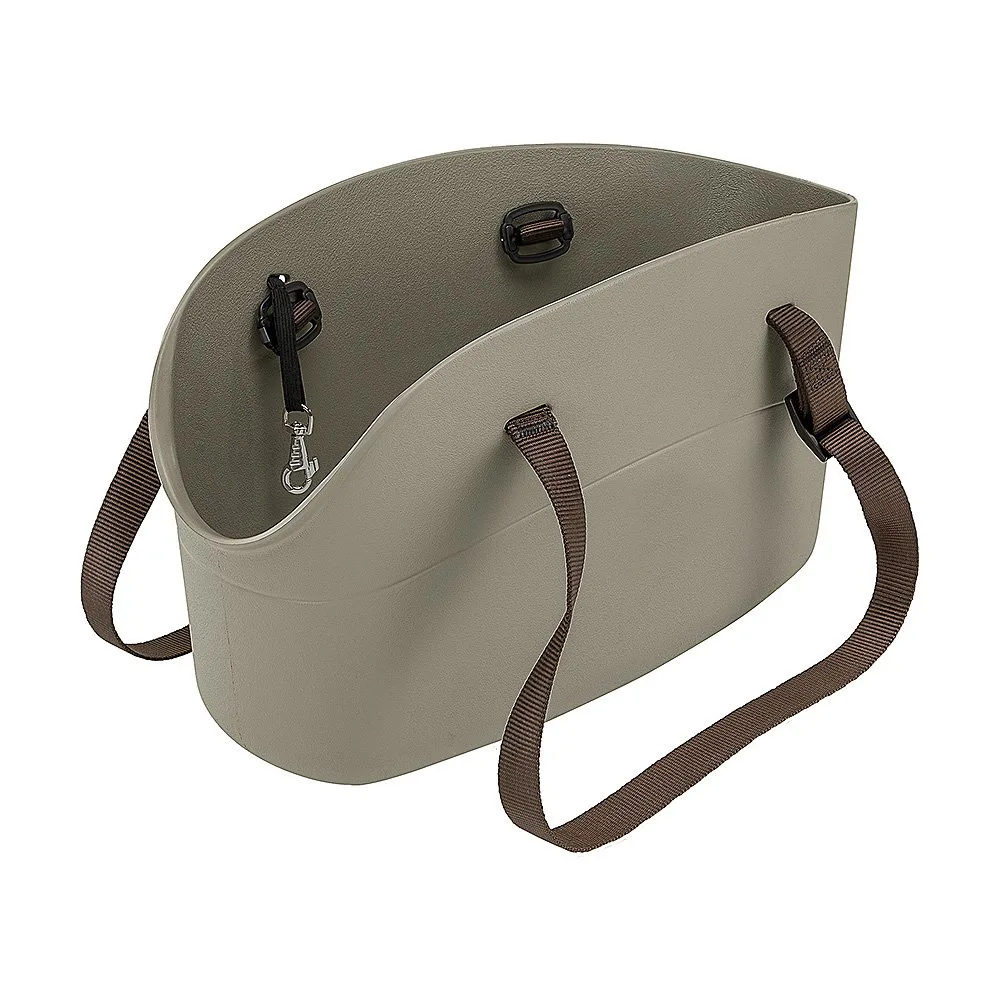
Hand feel, weight and structure by family
Hand feel decides whether a vegan product reads as premium, and it is measurable in three dimensions: surface friction, bending stiffness and thermal response. Shoppers touch a carrier for about three seconds before forming a judgement, and most of that judgement is formed by those three properties.
Polyurethane-coated knits feel cool and slightly rubbery with medium stiffness, and they soften little over their life. Silicone feels drier and warmer to the touch, drapes more softly, and recovers from creasing rather quickly.
| Family | Weight per sq m | Hand | Hydrolysis resistance | Cost index | Best placement |
|---|---|---|---|---|---|
| PU-coated knit | 380-520 g | Cool, smooth | 5-7 years typical | 100 | Structured panels, shells |
| Silicone-coated textile | 420-560 g | Dry, soft | Excellent, inert | 160-200 | Handles, touch points |
| PVC sheet | 520-700 g | Firm, plastic | Very good | 70-90 | Base panels, wipe-clean linings |
| Microfiber suede | 260-380 g | Warm, velvet | Good | 130-170 | Accent panels, linings |
| Bio-based PU | 400-540 g | Cool, slightly chalky | 4-6 years | 150-190 | Hero products, capsules |
| Cork fabric | 300-450 g | Warm, matte | Not applicable | 140-180 | Trim, badges, small panels |
Weight matters more than most brands expect because pet carriers are carried, not just admired. A premium-feeling but heavy family can add 200 g to the finished unit, and shoppers feel that difference immediately at the shoulder.
Structural behaviour is the third factor. Coated knits hold shape for soft-sided carriers that must stand up when set down; microfiber drapes too readily to support itself without heavy reinforcement.
Combining families deliberately is therefore the strongest technique. A structured PU shell with a silicone handle wrap and a cork badge gives three distinct tactile notes, which reads as designed rather than substituted.
Ergonomics reinforces the same point. Weight distributed across a wider strap improves comfort more than any change in surface material, so the specification should always be reviewed together rather than by material alone.
Colour, emboss and print behaviour
Colour uniformity is the great advantage of coated materials. There is no grain variation to absorb pigment unevenly, so adjacent panels match without sorting, and a formula can be repeated season after season with minimal drift.
Emboss selection is where the design team shapes perception. A fine saffiano pattern reads modern and slightly technical; a coarse pebble reads traditional; a micro-perforated emboss improves breathability visually and supports airflow claims on strap contact points.
Printing behaves differently across families. Screen-plastisol bonds well to PVC and PU with proper pre-treatment, whereas dye-sublimation requires a compatible receptive coating and only works on light grounds. Always print onto the exact production lot, not a lab sample.
Silicone is the most restrictive. It resists most inks, so branding is usually achieved by embossing, laser marking on a compatible top layer, or a stitched label applied afterwards. Plan wording lengths around those limits early.
Colour reference discipline still applies. Set the standard against a shared commercial reference such as Pantone or a physical signed card, then check the finished panel under the lighting of the retail channel leading the launch.
Light colours expose the weakness of some coated surfaces: dye migration from adjacent dark panels and yellowing in PVC grades exposed to UV. Request ageing tests for pale shades before confirming them.
Finally, remember that matte finishes hide handling marks while gloss finishes photograph better online. Several successful programmes use a matte body with one gloss logo zone to get both benefits.
Contrast stitching deserves specific mention, since thread choice influences how the panel reads. A tonal thread emphasises surface and silhouette; a contrast thread draws attention to construction detail and can make an economical material look deliberately engineered rather than substituted.
Testing printed finishes at the same time saves a second sampling round. Request rub results on the print itself rather than on the base material, because most complaints about fading logos trace back to a print that was never tested independently.
Finally, keep one signed card for every production lot. If a reorder arrives twelve months later, that card settles disputes far faster than an exchange of photographs taken under different conditions.
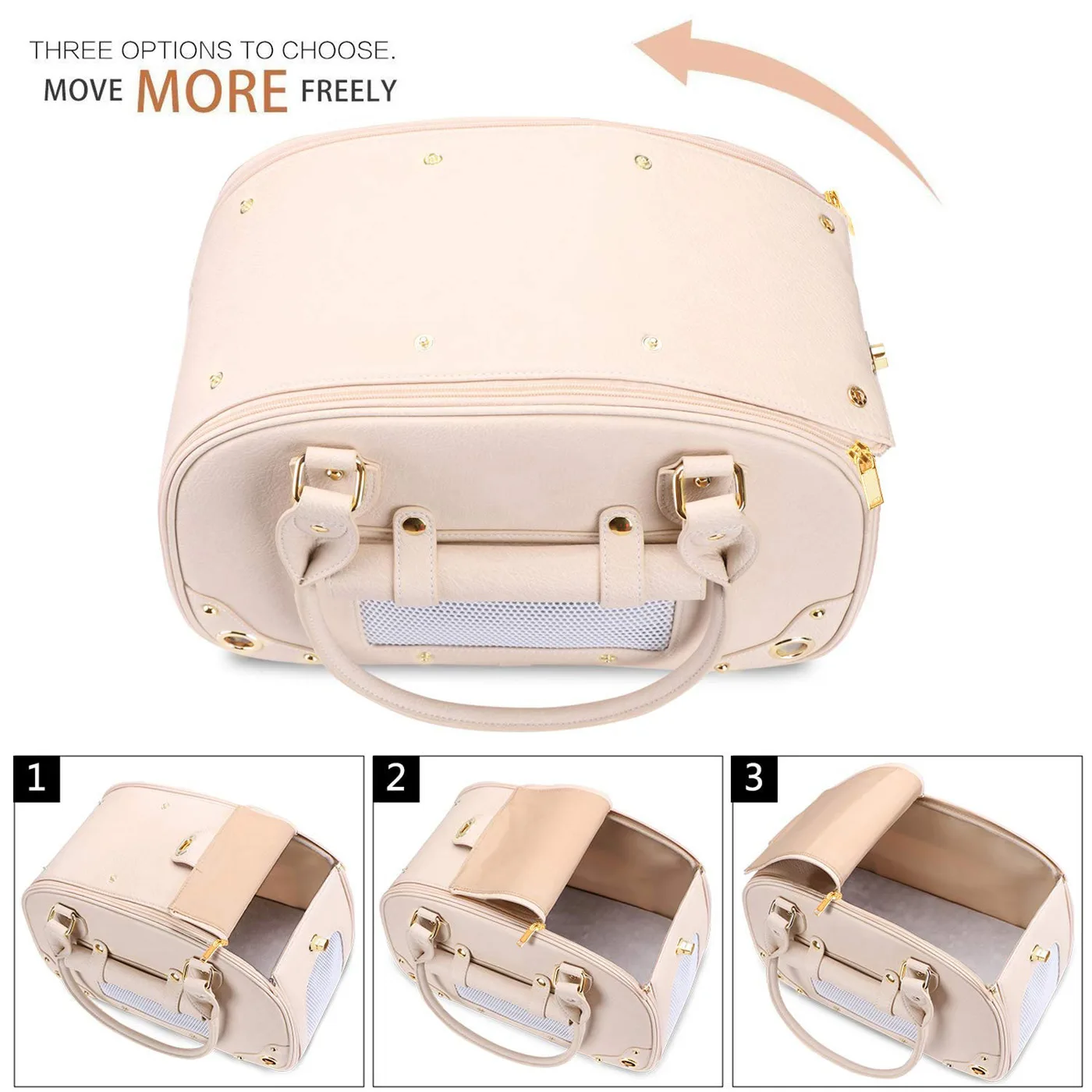
Durability expectations and care language
The honest lifetime of a well-specified PU-coated pet carrier panel is five to seven years of regular use, with surface wear appearing well before structural problems. Silicone and PVC generally outlast that; thin printed finishes are usually the first thing to go.
Hydrolysis is the failure mechanism brands should understand, because it makes material age even when unused. Moisture trapped in warm storage slowly breaks down polyester-based polyurethane film, which then flakes. Specifying polyether-based PU removes most of the risk.
Abrasion is the second mechanism and the one customers notice. Corner and base edges take contact with pavement, car doors and floors, so those zones deserve either a heavier-gauge panel or an abrasion-resistant trim.
Care language should be practical. Recommend wiping with a damp cloth, avoiding solvents and machine washing, and air-drying away from radiators. Those three instructions prevent almost every avoidable complaint in this category.
Storage advice belongs on the same card. Coated panels crease if folded tightly for months, so advise storing the carrier loosely stuffed and upright, particularly for seasonal or limited-edition pieces.
Warranty terms can then be written generously but precisely: cover delamination and seam failure, exclude creasing from improper storage and normal surface scuffing. Clear exclusions generate fewer disputes than vague promises.
Brands that treat this copy as part of the product usually see higher review scores, because expectations and reality arrive aligned.
Packaging and distribution conditions also shape durability more than most teams realise. A carrier shipped in a sealed container through a humid season can arrive with surface bloom if it was packed before finishes had fully cured, so build curing time into the production calendar.
Accessory choices extend service life noticeably. A removable, machine-washable liner absorbs most of the wear that would otherwise reach the coated shell, and it also gives the brand a repeat-purchase item customers understand immediately.
Finally, plan replacement rather than repair for coated components. Unlike leather, these materials cannot be refinished in the field, so keeping service parts for handle wraps and base panels protects goodwill at very low cost.
Costing the line across price tiers
Material cost per unit scales with area, not ambition, so the fastest way to control spend is to decide how much of the silhouette actually needs a coated panel. Entry programmes often use faux leather only on the front face and binding, keeping added cost near USD 1.20 per unit.
Mid tiers extend coverage to the full outer shell, typically adding USD 2.50-4.00 depending on family and gauge. Silicone for handle wraps is usually the single most efficient upgrade here because the hand touchpoints drive perceived quality disproportionately.
Premium capsule pieces justify higher spend with justification visible to the shopper: a bio-based PU with stated content, a cork badge, or a laser-marked microfiber lining. Without a visible cue, expensive materials are invisible.
Tooling must be counted in programme budgets. Custom emboss rolls cost real money and only make sense once volume exceeds roughly 3,000 units of a specific pattern; below that, use stock emboss patterns and differentiate through colour.
Landed cost also reflects weight. Heavy PVC builds raise freight cost per container meaningfully, so investing in a lighter coated knit sometimes produces the same unit economics after shipping is included.
Scrap considerations are improving but still relevant. Coated offcuts are difficult to recycle, so nesting patterns tightly protects both margin and the sustainability narrative.
The planning frame that works best is simple: decide the retail price first, allocate a material budget, then choose families that fit rather than falling in love with a swatch.
Finance teams also value predictability. Coated materials quote stable prices across seasons because input costs are industrial rather than agricultural, so a twelve-month plan built today is far less likely to be disrupted than one built around graded hide.
Volume tiers deserve attention at negotiation stage. Most mills price in bands, so consolidating two colourways into a single order can reduce unit cost more effectively than trimming component specifications.
Finally, remember to include duties and freight in every comparison. A cheaper per-metre material that weighs more can lose its advantage entirely once pallet weights and shipping charges are applied.
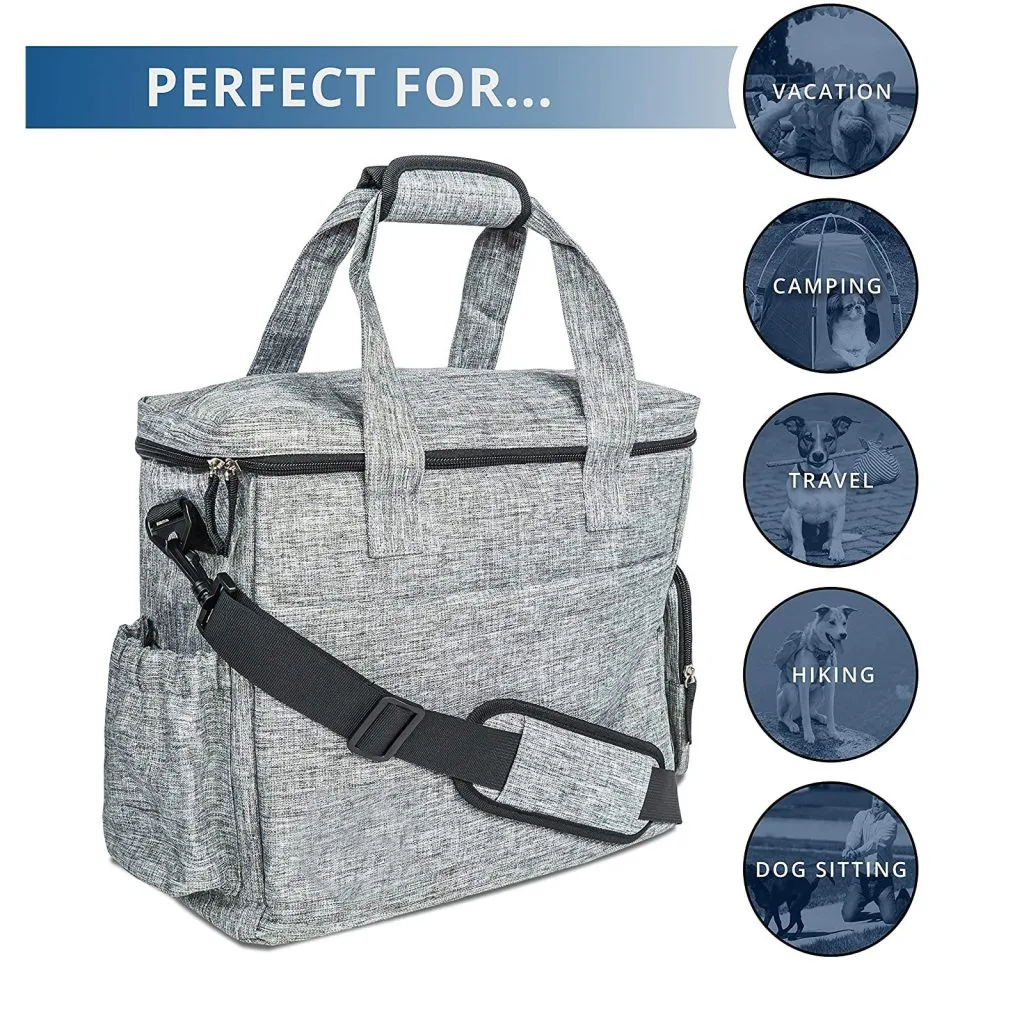
Branding, packaging and unboxing alignment
A vegan product story succeeds or fails in the first twenty seconds of unboxing, so packaging choices carry unusual weight. Recycled kraft mailers, soy-based inks and paper tape are inexpensive upgrades that immediately reinforce the claim on the box.
Print collateral should do explanatory work. A short card naming the material family, the stated bio-content and the reason it was chosen converts a sourcing decision into brand narrative, and it costs less than a glossy lookbook.
Logo execution should respect the material. Blind deboss reads as quiet confidence, laser engraving suits microfiber linings, and a cork or metal badge provides texture contrast. Avoid heavy plastisol prints on panels expected to flex.
Retail planogram consistency matters too. Insist that every SKU in the family uses the same claim block position and the same icon set, because inconsistency makes even honest claims look improvised.
Sets and extensions offer the strongest merchandising play. Matching waste-bag holders, treat pouches and travel mats built from the same panel families let a brand present a coordinated vegan capsule rather than a single product.
Finally, photography direction should reflect the material honestly. Over-saturated images that imitate leather grain invite returns when the softer hand feels different; show the true texture and let the design speak.
Macro photography of surface texture works particularly well for vegan launches, because it turns the absence of animal hide into a visible design choice rather than something the brand seems to be apologising for.
Retail training matters just as much as packaging. Associates asked three product questions usually answer two of them incorrectly, and a single briefing card with honest material answers converts far better than a glossy folder nobody reads.
Sets should also be launched with a clear naming system. Calling one hero material by two different names across the catalogue confuses both customers and search results, weakening a brand story that cost real development effort to build.
Finally, coordinate launch timing with compliance completion. Nothing damages a vegan launch more than pulling packaging after the first pallet ships because a claim review finished late.
Sampling and compliance sequence
Begin every faux leather programme with a family selection round rather than a full sample. Cutting three candidate materials into identical handle wraps and comparing them blind is faster and far more informative than building three complete carriers.
Freeze the specification before the first prototype. Family, gauge, backing, emboss, colour reference and finish treatment must all be named, because a beautiful sample built from a substituted roll guarantees disappointment at bulk.
- Hydrolysis test results for PU families, with the test method named
- Abrasion and rub fastness results for every colour under consideration
- Restricted-substance screening for the strictest destination market
- Migration check between adjacent light and dark panels
- Branding trial on production material at production dwell time
- Odour check after 48 hours in a sealed carton
Then build the full sample set and confirm every claim against actual components, including thread, adhesive, tape and any hidden stiffener board. The vegan story only holds if the bill of materials agrees with it.
Terms once again: MOQ 500 pieces per colourway, samples in 6-10 working days, bulk production 35-50 days after approval, inspection to AQL 2.5.
Programmes that follow this sequence tend to launch on their first planned date, while those that begin with a prototype and write the specification afterwards rarely do.
Budget one extra round for the bill-of-materials audit. When that step is skipped, teams discover animal-derived inputs during final inspection, when the only remaining option is accepting the shipment without the claim.
Keep retention samples from every approved lot as well. Stored away from light and heat, a single card per lot is enough to resolve almost any future dispute about colour, emboss depth or surface finish within a day.
Finally, review the entire programme after the first season. Real returns data shows which families held up in the field, and that evidence makes the second season's specification decisions considerably easier to defend internally.
One practical habit helps more than any document: keep a single live specification file that every department edits rather than circulating copies. Version drift between team members causes more late-stage surprises than any material problem.
Production capability
- SGS-verified production space of 4,950 m², 149 machines, 7 assembly lines
- Pet carrier and pet bag output since 2014 from a 137-person team
- 200,000 units shipped monthly under BSCI and ISO 9001 systems
People Also Ask
Is faux leather better than real leather for pet carriers?
For most brands yes, on consistency, weight, cleaning and cost. Real leather wins on patina and heritage positioning. Faux leather families now offer comparable hand feel with far better colour repeatability across seasons.
What is the most durable vegan leather?
Silicone-coated textile lasts longest because it resists hydrolysis and abrasion without plasticiser migration. For structured panels, polyether-based PU is the practical choice at lower cost.
Does vegan leather contain plastic?
Most families are polymer-based, though they differ widely. PVC and PU are plastics; silicone is a polymer but inert; cork and plant-fibre options are largely bio-derived. State the family rather than hiding it.
How do I prove a product is vegan?
Document every component in the bill of materials and screen for animal-derived inputs in adhesives, felt and stiffeners. Keep supplier declarations on file so any retailer query can be answered quickly.
Can vegan leather be embossed?
Yes. Heat-assisted embossing works well on PU and PVC, and microfiber accepts laser marking. Always run the branding trial on production material, since pilot lot differences change emboss depth noticeably.
Is PU leather environmentally friendly?
It avoids animal inputs but remains petroleum-derived and difficult to recycle. Bio-based blends reduce fossil content by 20-60%, and correct care that extends service life has the largest measurable impact of all.
Does faux leather smell?
Some fresh sheets carry a faint coating odour that clears within days. Build a 48-hour airing step into packing instructions so any residual smell dissipates before the unit reaches a customer.
What is the cheapest vegan leather?
PVC is generally lowest cost per square metre, followed by basic PU-coated knits. Decide by placement rather than price alone, because an unsuitable heavy family raises freight cost across the whole shipment.
Frequently Asked Questions
What does vegan leather mean on a pet carrier?
It means no animal-derived material is used in the construction. In practice that covers the outer panel plus every hidden component, including thread, adhesive, tape, stiffener board and any trim. A vegan claim should be verified against the full bill of materials rather than the visible fabric alone.
Which vegan material lasts longest?
Silicone-coated textile generally has the longest service life because it is chemically inert and contains no plasticisers. PVC and well-specified polyether PU follow, typically five to seven years. Thin printed finishes fail earliest regardless of substrate.
Is PU leather the same as vegan leather?
PU is one family within the vegan category, alongside PVC, silicone, microfiber and bio-based materials. PU is the most widely used because it sews cleanly and holds shape, but it is not the only option.
Can faux leather claim recycled content too?
Yes, when documented. Many grades contain recycled polyester backing or recovered fibre content. Request the measured percentage and its test method, then print that figure rather than an undefined green claim.
Does faux leather peel or crack?
It can. Polyester-based PU is vulnerable to hydrolysis, which causes flaking during warm humid storage. Specifying polyether-based PU, packing dry, and advising cool storage removes most of that risk.
Is faux leather safe for pets who chew?
No carrier material is chew-proof, but all recommended families are wipe-clean and free of animal fats. Choose phthalate-free formulations, screen for restricted substances, and treat chew damage as normal wear rather than a material defect.
How much does switching to a vegan build cost?
Typically USD 1.20-4.00 per unit depending on coverage area and family chosen. Entry programmes use coated panels on the front face only; premium capsules add silicone wraps and bio-based content at higher cost.
What minimum order quantity applies?
MOQ 500 pieces per colourway. Silicone and bio-based grades may carry their own mill minimums, so confirm at quotation stage before the design is frozen.
Can you emboss or laser a logo into faux leather?
Yes. PU and PVC take heat embossing well, microfiber accepts laser engraving cleanly, and silicone is best branded by embossing or an applied label. Printing into silicone generally does not bond reliably.
Is faux leather waterproof?
The surface repels water, but seams and stitch holes leak. Claims should say wipe-clean or water-resistant; calling any sewn carrier waterproof overstates performance and creates unnecessary return risk.
Which certification should I ask for?
Request restricted-substance screening under EU REACH for Europe and a Proposition 65 review for the United States. Many retail partners also ask for OEKO-TEX certification on components contacting fabric.
How long do samples and production take?
Samples take 6-10 working days from a frozen specification; bulk runs 35-50 days after approval with inspection to AQL 2.5, T/T 30/70 terms and FOB Xiamen shipping.
Can faux leather be matched to existing brand colours?
Yes, and matching is usually more accurate than on natural hide because there is no grain variation. Match against a single signed reference card and verify under the lighting used by the leading sales channel.
Does faux leather feel cheap to customers?
Early generations did. Modern coated knits and silicone sheets offer softness close to corrected leather, particularly when applied to handle wraps where shoppers touch first. Weight and finish quality matter more than the family name.
Talk to QUANZHOU JUNYUAN BAGS about a pet carrier program: MOQ 500 pieces per colourway, samples in 6-10 working days, bulk production in 35-50 days under AQL 2.5 inspection.
Get a free quote Request a sample