Waterproof Canvas: Choosing a Coated Fabric for Custom Carriers
Yes. Waterproof canvas is a cotton or polyester canvas with a coating applied to the reverse or face, typically PU, PVC or TPU at 20-60 g/m², giving a hydrostatic head of 1,000-5,000 mm depending on grade. For a custom pet carrier, a PU-coated polyester canvas at 600D with a sealed liner is the balanced choice at MOQ 500 units per colour.
Executive summary. Waterproof canvas is the workhorse of the custom carrier world because it solves two problems at once: it carries print well and it survives a wet interior. The decision is not whether to coat but what to coat with, and that choice sets the hand, the weight, the compliance profile and the price. PU gives the best balance of feel and performance; PVC is cheapest and heaviest with a plasticiser question to answer; TPU is the premium, durable, low-temperature-flexible option. Specify the hydrostatic head target, the coating weight and the seam strategy in the same document, because a waterproof fabric in an unsealed bag is not a waterproof bag. Commercial terms hold at MOQ 500 pieces per colourway, sampling in 6-10 working days once base cloth and coating are fixed, bulk in 35-50 days after approval, and inspection at AQL 2.5. Prepare OEKO-TEX documentation on the coating and REACH and Prop 65 declarations before approaching retail buyers.
Personalized pet carrier work splits into two tracks: variable data such as a name, and fixed branding such as a woven label or patch.
What Makes a Canvas Waterproof: Coating, Weave and Finish
Canvas on its own is not waterproof. A cotton or polyester canvas is an open, plain-woven structure with gaps between the yarns, and water passes through those gaps under any sustained contact. What turns canvas into a waterproof material is a coating, applied either to the reverse face as a film or to both faces, that closes the structure and carries the water resistance.
Three variables determine how waterproof the finished cloth actually is. The base weave sets the mechanical strength and the size of the gaps the coating has to bridge. The coating weight, usually expressed in grams per square metre, sets how completely those gaps are closed. And the finish, typically a durable water repellent treatment on the face, sets how quickly water beads and runs off rather than wetting out the surface.
Understanding which of the three is doing the work matters when you read a supplier's data sheet. A heavy DWR finish will produce an impressive spray-test result on a cloth with a light coating, and that result will degrade after a few washes, whereas the underlying coating will not. Always ask for the hydrostatic head figure, which measures the coating, alongside the spray rating, which measures the finish.
The base cloth deserves equal attention. Cotton canvas gives a natural hand, a matte appearance and a premium feel, and it absorbs coating unevenly. Polyester canvas gives higher tensile and tear strength at the same weight, better dimensional stability, and a cleaner surface for printing. For a pet carrier, where abrasion and load matter, polyester is usually the right engineering choice and cotton the right aesthetic one, and the hybrid answer is a polyester core with a natural-look finish.
Denier is the number most buyers quote and the one that matters least in isolation. A 600D polyester canvas with a good coating will outperform a 900D with a poor one on every water-related measure. Specify denier and coating weight together, or you have not specified much. It is also worth asking what the coating is applied to. A coating on the reverse face only leaves the face looking natural but more exposed to staining; a coating on both faces performs better and looks slightly more technical. That decision changes the appearance of the finished product more than any other single choice in this category.
Coating Chemistry Compared: PU, PVC, TPU and PE
The coating is where the performance, the price and the compliance risk all sit, and the four common options behave very differently once the bag is in service.
| Coating | Hand and weight | Durability | Compliance note |
|---|---|---|---|
| PU (polyurethane) | Soft, light, quiet | Good; hydrolysis risk on low grades | Broadly accepted; check solvent residues |
| PVC (polyvinyl chloride) | Stiff, heavy, slight odour | Very durable; plasticiser migration over time | Plasticiser scrutiny; heavier documentation load |
| TPU (thermoplastic polyurethane) | Soft, premium, flexible when cold | Excellent; best hydrolysis resistance | Cleanest profile; highest material cost |
| PE (polyethylene) | Crisp, papery, light | Adequate; lower abrasion resistance | Simple chemistry; limited printability |
PU is the default for a reason. It gives a soft hand that does not announce itself as plastic, it adds relatively little weight, it stays flexible across the temperature range a carrier will see, and it costs less than TPU. The caveat is hydrolysis: a low-grade polyester-based PU will break down in a warm, humid warehouse over a few years, and the first symptom is a tacky surface followed by flaking. Specify an ether-based or a hydrolysis-resistant grade if your distribution runs through humid climates.
PVC is cheap and very tough, and it is the right answer for a price-led product that will be used hard and replaced. It is heavier, it has an odour when new, and it carries a plasticiser question that some retail channels will ask about directly. If your customer base includes European retailers, budget for a fuller documentation package.
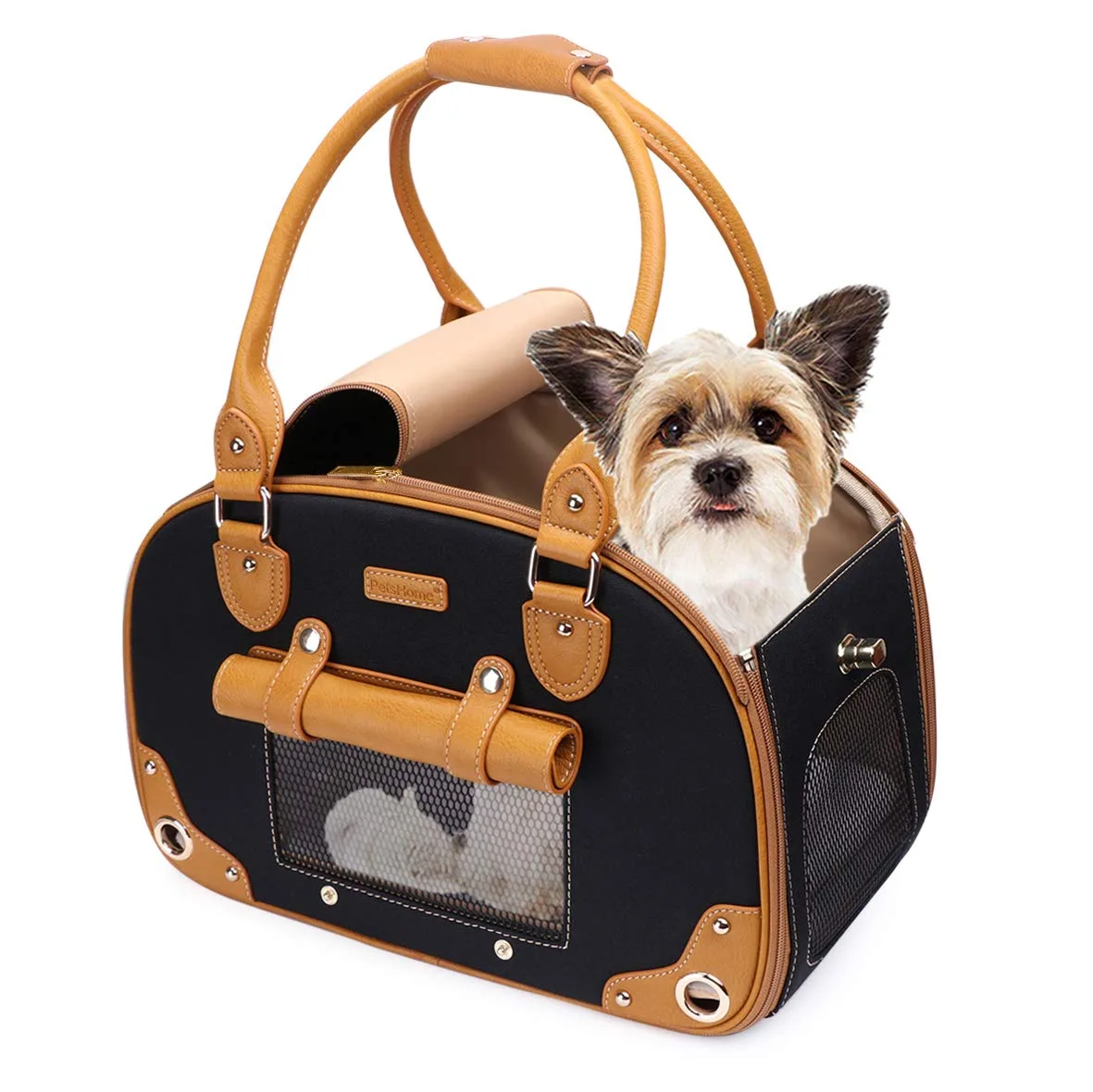
TPU is the premium answer and the one I would specify for a product positioned above the mid tier. It has the best hydrolysis and low-temperature performance in the group, it welds beautifully, and it has the cleanest chemical story. The penalty is material cost, which is significant enough that most programs use it selectively rather than across the whole body. The sensible deployment is to put TPU where the water actually sits, on the base panel and the liner, and PU on the rest of the shell. That captures most of the performance benefit at a fraction of the full-material premium.
Reading Hydrostatic Head, Spray Rating and the Numbers That Mislead
Waterproof claims in this category are frequently overstated because the two headline numbers measure different things, and one of them is temporary.
Hydrostatic head measures how much water pressure the coated cloth will resist before it leaks, expressed in millimetres of water column. It is the number that describes the coating, and it does not wash out. A carrier fabric intended to contain moisture should sit at 1,500 mm or above, and a fabric intended for a genuinely waterproof base panel should be specified at 3,000 to 5,000 mm. Anything below 1,000 mm is shower-resistant, not waterproof, and should not be marketed as the latter.
Spray rating measures how well the face sheds water in a standard spray test, and it is a measure of the durable water repellent finish. It is the number that makes a new sample look impressive and the number that declines with washing and abrasion. Treat it as a comfort feature rather than as the waterproof claim.
The third number almost nobody asks for is the result after abrasion or flexing. A coating that holds 3,000 mm flat can drop substantially once it has been creased, folded and rubbed, because the film is thinnest exactly where the cloth bends. Ask for hydrostatic head after a defined flex or abrasion cycle, or run the test yourself on a folded sample.
Standardised test methods are the shared language here, and ASTM International test standards are the reference most laboratories quote for water resistance and coating adhesion. Naming the standard in your specification removes the ambiguity that otherwise lets two suppliers quote the same number for different tests. It also protects you during inspection: a hydrostatic head figure without a method attached cannot be verified, and an unverifiable specification is one that will be quietly interpreted in the supplier's favour.
Where Coated Canvas Wins in a Carrier Design
Coated canvas is not the lightest option and it is not the most technical, but it occupies a position nothing else fills: it looks like a natural material and behaves like a technical one. That combination is why it remains the default for a large share of custom carrier programs.
The first win is printability. A coated canvas face takes screen print, heat transfer and, on polyester, dye sublimation, with better colour density and sharper edges than an untreated cloth. For a brand whose identity depends on a graphic, this is decisive. Design a printed pattern on a waxed canvas or on cork and you are fighting the material; design it on coated canvas and the material cooperates.
The second win is cleanability. A pet carrier interior will be soiled, and a coated face wipes clean in a way an untreated natural cloth does not. That is a functional argument a customer understands immediately and a returns-reduction argument the brand feels later.
The third win is structural. Coated canvas has enough body to hold a panel shape without heavy interlining, which simplifies construction and reduces part count. It also sews predictably, which keeps labour costs stable and makes the material a safe choice for a first production program with a new partner.
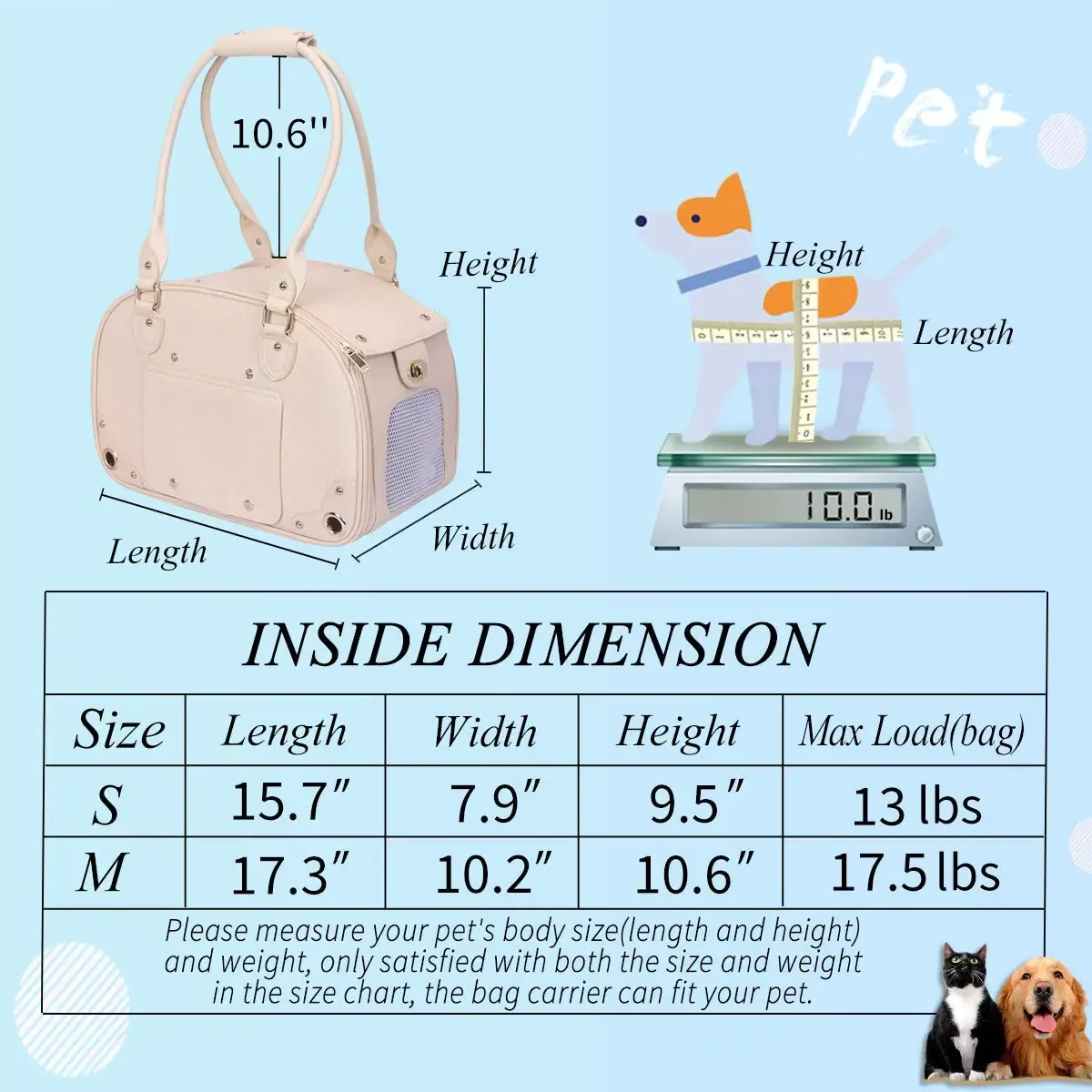
The honest limitations are weight and breathability. Coated canvas is heavier than an uncoated equivalent and it does not pass air, so ventilation has to be engineered as mesh panels rather than expected from the body fabric. On a carrier, where airflow matters for the animal and for airline compliance, that is a design constraint to plan around rather than a defect. The standard response is a mesh gusset or a mesh insert panel on at least two sides, sized generously. Coated canvas and mesh work well together visually, since the matte coated surface frames the mesh without either material competing.
Branding a Coated Surface: Print, Transfer and Applied Marks
Coated canvas is the most cooperative surface in the custom bag world, and that gives a brand an unusually wide choice of logo methods. The constraint is less about whether a method works and more about which one suits the coating chemistry.
- Screen print. The volume default. Plastisol sits on the coating and gives dense colour; water-based inks penetrate slightly and feel softer but can be less opaque. Adhesion on PU and TPU is generally excellent; on PVC, confirm ink compatibility before committing.
- Heat transfer. Best for multi-colour and photographic marks. Watch the temperature, because a coating will glaze if the press runs hot, and the glaze is permanent.
- Dye sublimation. Available on polyester canvas with a suitable coating, and the only method that puts full-colour artwork into the fabric rather than on top of it. It requires a white or light base and a polyester content high enough to accept the dye.
- Embroidery, woven label, rubber patch and metal badge. All work, and embroidery through a coated canvas needs a slightly longer stitch length plus a backing to stop puckering.
The most common failure in this category is not adhesion, it is cracking at a fold. A thick plastisol deposit on a panel that folds in use will crack within weeks. Specify a thinner deposit, an additive for flexibility, or move the mark away from the fold entirely.
Test the mark the way the product will be used, not the way a sample is photographed. Run a cross-hatch adhesion test, then a wet rub, then fold the printed area a hundred times. Those three checks take an afternoon and prevent almost every print complaint that reaches a customer. One further consideration for a printed coated canvas: registration across a pattern repeat. If the artwork runs across multiple panels, specify whether panels must be matched, because matched panels lower nesting yield and raise cost. Deciding that up front avoids a dispute about whether a mismatched seam is a defect or an accepted tolerance.
Seams, Welds and the Gap Between Waterproof Fabric and a Waterproof Bag
This is the section most specifications get wrong. Buying a waterproof fabric does not produce a waterproof bag, because every needle hole is a leak path and no coating survives being perforated a hundred times along a seam line.
There are three ways to close that gap, and they are not interchangeable. Seam sealing applies a tape or a liquid sealant over the stitched seam on the inside, and it is the standard approach for a soft-sided product. It adds a production step and a cost line, and it needs to be specified explicitly or it will not happen.
Welding replaces the seam entirely. A high-frequency or hot-air weld fuses two coated faces together with no needle holes at all, producing a genuinely waterproof joint. It requires a thermoplastic coating, which rules out some finishes and most natural-fibre cloths, and it produces a stiffer, more technical-looking seam that suits some designs and not others.
The third option is design avoidance: put the waterproof requirement on a removable or replaceable liner rather than on the shell. A TPU or PEVA liner inside the carrier contains moisture, cleans easily, and can be replaced, while the outer shell carries the design and the branding. For most pet carrier programs this is the most practical answer, because it separates the functional requirement from the aesthetic one.
Whichever route you choose, decide it before sampling. Retrofitting seam sealing into a finished pattern is expensive and often impossible, whereas designing the seam allowance and the assembly sequence for it from the start costs almost nothing. There is also a repair argument worth weighing. A stitched and taped seam can be repaired by a local tailor; a welded seam generally cannot. For a product that a customer may keep for years and expect to service, that difference is worth more than the small performance advantage welding provides.
Cost Tiers and Getting the Specification Balance Right
Coated canvas spans a wide price range, and the spread is driven far more by the coating than by the base cloth. A brand that optimises the denier and ignores the coating will get a heavy, mediocre product; one that does the opposite will get a light, durable one.
| Specification | Relative cost | Best application |
|---|---|---|
| PVC-coated 600D | 1.0x baseline | Price-led SKUs, hard-use products |
| PU-coated 600D | 1.3x baseline | The general-purpose default |
| PU-coated cotton canvas | 1.7x baseline | Natural-positioned premium lines |
| TPU-coated 600D | 2.2x baseline | Premium tier, welded construction |
| TPU laminate plus sealed seams | 2.8x baseline | Genuinely waterproof technical products |
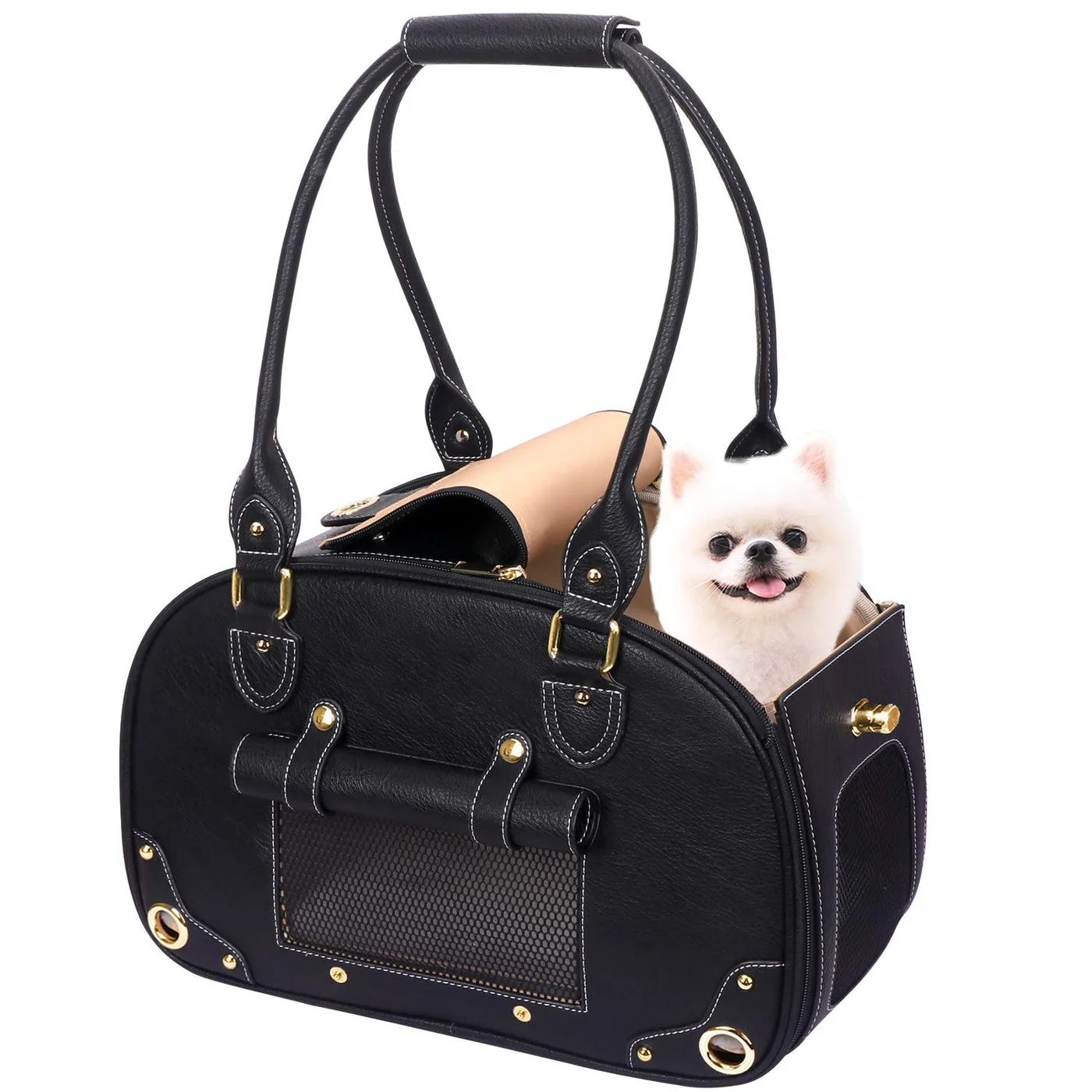
The balance I would recommend for most custom carrier programs is a PU-coated polyester canvas on the shell, a TPU or PEVA liner in the interior, and seam sealing only where the liner joins. That gives the product real water containment where it matters, keeps the exterior printable and affordable, and avoids paying for a fully welded shell that the design does not need.
Where budget is tight, the lever to pull is the coating weight rather than the chemistry. Dropping from a heavy to a medium coating weight saves real money and costs some durability, whereas dropping from PU to PVC saves more money and changes the hand, the odour and the compliance conversation in ways that are harder to undo. One further lever is worth considering at the range level: use a single coating specification across several SKUs so the purchase consolidates and the colour match between products stays consistent across the shelf.
Compliance: What Actually Goes Into a Coating
A coated fabric is a chemical product as much as a textile one, and retail compliance teams know it. The documentation burden is manageable if it is prepared up front and painful if it is assembled under a deadline.
The baseline set is OEKO-TEX certification covering the base cloth and the coating, REACH SVHC declarations for the EU, and a Prop 65 assessment for California. Because pet products sit in a category that attracts consumer scrutiny, some buyers will also ask for CPSIA-related documentation on any component that could be considered a children's product, and that question is easier to answer before the first shipment than after.
Ask specifically about three things. Solvent residues in the coating, which affect odour and restricted-substance screening. Plasticisers, if the coating is PVC, since certain phthalates remain restricted in multiple markets. And the durable water repellent chemistry, because some fluorinated finishes are subject to current or pending restriction and a supplier may still be using a legacy formulation.
OEKO-TEX certification is the single most useful document in this set, because one certificate covers a lot of the questions a buyer would otherwise ask individually. The OEKO-TEX certification system is recognised across European and North American retail, and asking for it by name shortens the review cycle considerably.
Keep documentation per lot and tie it to purchase orders. A certificate from last year's production does not cover this year's goods, and a retail audit will ask for the specific lot. Where the product will be sold into more than one market, prepare the documentation set once and translate the claim language per market, rather than writing one global claim and discovering that it overstates the position somewhere.
Sampling, Testing and Production Planning
A coated canvas program is the easiest of all the material categories to plan, because the supply chain is mature and the variables are well understood. The discipline that matters is testing before bulk rather than discovering problems after.
Start with a material round. Ask for two or three coating options on the base cloth you intend to use, with hydrostatic head, coating weight and abrasion data attached, and evaluate them as flat sheets. Fold each one, crease it, rub it, and re-test the ones that survive. A coating that fails a crease test in your office will fail it in a warehouse.
Then a branding round, applying every candidate logo method to the chosen cloth and testing adhesion, wet rub and fold cracking. Then a sewn prototype, checked for seam behaviour, and if you have specified seam sealing or a liner, checked for leaks with an actual water test rather than by inspection.
Sampling runs 6-10 working days once base cloth and coating are fixed, and bulk lands 35-50 days after approval. Coated fabrics are stocked widely, so lead time is more predictable here than for any bio-material, and the main schedule risk is a custom coating colour rather than the cloth itself.
Set the inspection standard before bulk. Inspection runs at AQL 2.5 against a signed golden sample, and the defect list should include coating pinholes, delamination at seams, print adhesion failures, and DWR finish inconsistency, since a patchy finish is visible on a dark colour under retail lighting. Add one practical test that costs nothing: fill the finished prototype with water and leave it standing for an hour on a counter. A bag that passes visual inspection and still leaves a ring on the surface has a seam problem no checklist will catch, and finding it before bulk is the entire point of the test.
Why brands source here
- Pet carrier programs run since 2014; founding team in sewn goods since 2004
- SGS-verified production floor of 4,950 m² with 137 workers across 7 lines
- Monthly capacity of 200,000 units, audited to BSCI and ISO 9001
People Also Ask
What is the difference between water-resistant and waterproof fabric?
Water-resistant fabric sheds light rain and will wet through under pressure or sustained contact. Waterproof fabric resists water penetration to a measured hydrostatic head, usually 1,500 mm or above, and needs sealed or welded seams to deliver that performance in a finished product.
Is PU coating better than PVC coating?
PU is softer, lighter and has a better hand, and it avoids the plasticiser questions associated with PVC. PVC is cheaper and tougher but heavier. For a branded consumer product, PU is usually the better choice.
Can coated canvas be welded instead of sewn?
Yes, if the coating is thermoplastic. PU and TPU weld well with high-frequency or hot-air equipment and produce a waterproof joint with no needle holes. Some finishes and most natural-fibre cloths cannot be welded.
How is hydrostatic head measured?
A column of water is applied to the fabric under increasing pressure until leakage appears. The height of the column in millimetres at the point of failure is the hydrostatic head. Standardised methods are published by ASTM International.
Does coated canvas crack when folded?
A quality coating on a suitable base cloth will not crack in normal use. Cracking indicates a coating that is too thick, too stiff for the base cloth, or applied over a fabric that flexes more than the film can accommodate.
How do you clean a coated canvas carrier?
Wipe with a damp cloth and mild soap. Machine washing degrades the durable water repellent finish and can delaminate the coating at the seams, so the care card should specify wiping rather than washing.
Is coated canvas heavier than uncoated canvas?
Yes. Coating weight typically adds 20 to 60 g/m² depending on the system. The increase is modest and is usually offset by the ability to reduce interlining, since coated canvas holds panel shape on its own.
Frequently Asked Questions
What makes canvas waterproof?
A coating applied to the fabric, not the canvas itself. A PU, PVC, TPU or PE film closes the gaps in the weave, and the coating weight and quality determine the hydrostatic head. A durable water repellent finish on the face adds temporary water shedding.
What hydrostatic head should a pet carrier fabric have?
Specify 1,500 mm or above for a shell fabric that needs to resist moisture, and 3,000 to 5,000 mm for a base panel or liner that will hold water. Below 1,000 mm is shower resistant, not waterproof.
Which coating is best: PU, PVC or TPU?
PU offers the best balance of hand, weight and cost and suits most programs. TPU is the premium option with the best hydrolysis and cold-flex performance. PVC is the cheapest and toughest but heavier and carries more compliance questions.
Does a waterproof fabric make a waterproof bag?
No. Every needle hole is a leak path. You need seam sealing, welded seams, or a separate waterproof liner. Decide which before sampling, because retrofitting seam sealing into a finished pattern is expensive.
Can you print on waterproof canvas?
Yes, and it is one of the material's main advantages. Screen print and heat transfer work on all coatings, and dye sublimation works on polyester canvas with a suitable finish. Test for fold cracking, not just flat adhesion.
What is the MOQ for a coated canvas carrier program?
MOQ is 500 pieces per colourway. A custom coating colour triggers its own minimum, so consolidating colourways across a series is the simplest way to keep every SKU above the floor.
Does the durable water repellent finish last?
It declines with washing and abrasion. It is a comfort feature that makes water bead and run off, not the waterproof barrier. The coating carries the water resistance and does not wash out.
Is PVC-coated canvas safe for a pet product?
It is widely used and can be compliant, but plasticiser content attracts scrutiny in some markets and from some retailers. If your channels include European retail, budget for a fuller documentation package and ask specifically about plasticisers.
Will the coating peel or flake?
A good coating should not. Flaking is a hydrolysis failure, which affects low-grade polyester-based PU in warm, humid storage. Specify a hydrolysis-resistant grade and ask for the test report.
Is coated canvas breathable?
No. The coating closes the structure, so ventilation must be engineered as mesh panels rather than expected from the body fabric. That matters for animal comfort and for airline ventilation requirements.
Which certifications should I request?
Ask for OEKO-TEX covering cloth and coating, REACH SVHC declarations for the EU, and a Prop 65 assessment for California. Request documents per production lot and keep them tied to purchase order numbers.
How long does a coated canvas program take?
Sampling runs 6-10 working days once base cloth and coating are fixed and bulk lands 35-50 days after approval. Coated fabrics are widely stocked, so the main schedule risk is a custom coating colour rather than the cloth.
Should I use a liner as well as a coated shell?
For a pet carrier, usually yes. A TPU or PEVA liner contains moisture, wipes clean and can be replaced, while the coated shell carries the print and the design. It separates the functional requirement from the aesthetic one.
Talk to QUANZHOU JUNYUAN BAGS about a pet carrier program: MOQ 500 pieces per colourway, samples in 6-10 working days, bulk production in 35-50 days under AQL 2.5 inspection.
Get a free quote Request a sample