Custom Playpen: Exercise Pen Design and Brand Programme
A custom playpen program is specified around five numbers: a modular panel system covering 4 to 10 sides, a folded pack under 15 kg and 100 cm, a joint that resists 25 kg of lateral push without separation, a ground anchoring system holding on grass and on hard standing, and a door latch above 35 N release force. Those five figures decide whether a pen gets used weekly or stored permanently.
Our production team runs private label playpen programs on a fixed commercial frame: MOQ 500 units per colourway, prototypes in 6-10 working days from tech pack sign-off, and bulk production in 35-50 days after sample approval, released at AQL 2.5 with push, joint cycle and dimensional records attached to the shipment file. Standard terms are FOB Xiamen with T/T 30/70.
The commercial prize in this category is modularity. A pen that starts at four panels and grows to ten creates a repeat purchase without a new product development cycle, and it lets a brand enter at a lower ticket while holding a clear upgrade path. Design the joint first and the panel second, because the joint is the part customers judge and the part competitors most often get wrong. Fix the panel and joint geometry before any artwork begins, because every later decision - carton size, listing copy, expansion pack pricing - follows from those two dimensions.
Every custom dog carrier we develop is quoted against the same three variables - fabric weight, hardware grade and print method - before the first sample is cut.
Panel Modularity: Designing a System That Grows
A playpen is the rare product where the architecture itself is the selling argument. Customers buy a configuration rather than an object, which means the panel system - its count, its joint and its expansion path - carries more commercial weight than the material or the finish.
The practical range runs from four panels to ten. Four gives roughly one square metre, which suits a small animal or a contained indoor zone; eight gives around three square metres; ten approaches five. Offering four, six and eight as standard configurations, with two-panel expansion packs, covers the market without multiplying SKUs.
Each panel should be a single standard component. One panel geometry with one joint at each end means a customer can add panels in any order, the brand can sell expansion packs indefinitely and the tooling investment stays at one set. Non-standard corner panels are the most common way this logic is broken.
Panel dimensions follow use. A width of 80-90 cm and a height of 60 cm suits small animals; 90-100 cm wide by 80 cm tall suits medium breeds; 100 cm by 100 cm suits larger animals and outdoor use. Two heights across one width system keeps the range coherent.
Joint strength is the governing specification. A connector pin with a positive lock, resisting 25 kg of lateral push without separation and surviving 500 assembly cycles, is the realistic target. A friction-fit connector will separate under a leaning animal within one season.
Configuration flexibility matters in real homes. A pen that can be set as a rectangle, a square or an octagon fits rooms and gardens that a fixed shape cannot, and that flexibility should be shown on the pack rather than left for the customer to discover.
Finally, plan the expansion packs as products. They should be listed, priced and photographed separately from the base pen, because a customer who has already assembled a four-panel pen is the warmest possible buyer of two more panels.
Fold Geometry, Weight and the Storage Decision
Pens are bought for occasional use and stored for the rest of the time, which makes the folded envelope a primary specification rather than a packaging detail. A pen that cannot be stored easily stops being deployed, and a pen that is not deployed has no value.
Two folding architectures exist. A concertina design keeps the panels permanently hinged and folds flat for storage; it deploys in seconds but the folded pack remains as long as two panels. A break-down design separates into individual panels; it packs smaller but takes longer to assemble.
For an indoor product used daily, the concertina wins because deployment speed drives usage. For an outdoor product used occasionally and transported by car, the break-down design wins because boot space is the binding constraint. Many brands need both, and they can share the panel tooling.
Weight targets should be explicit. A complete eight-panel pen under 15 kg can be moved by one person; above that it becomes a two-person job and deployment frequency falls sharply. Weight reduction should come from the frame section rather than from the joint, which is the part that cannot be lightweighted.
Folded dimensions deserve the same discipline: under 100 cm in the longest direction and under 25 cm thick for a concertina, and under 100 cm by 40 cm by 30 cm for a break-down pack. Publish both on the listing, because storage is the question customers actually ask.
Latch design on the folded pack is a small detail that prevents a large annoyance. A folded pen that unfolds while being carried is awkward at best and a trip hazard at worst, so a positive clip with a defined pull-off force belongs in the spec.
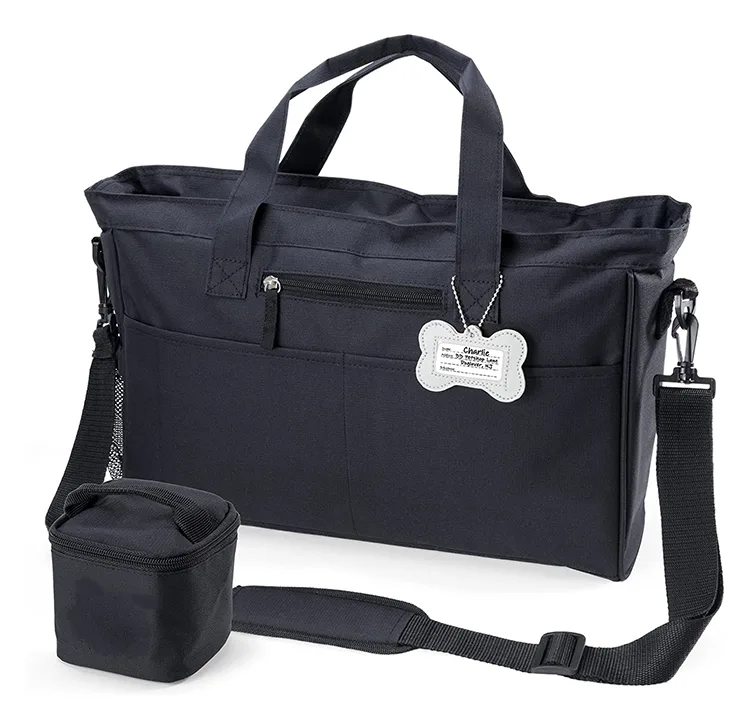
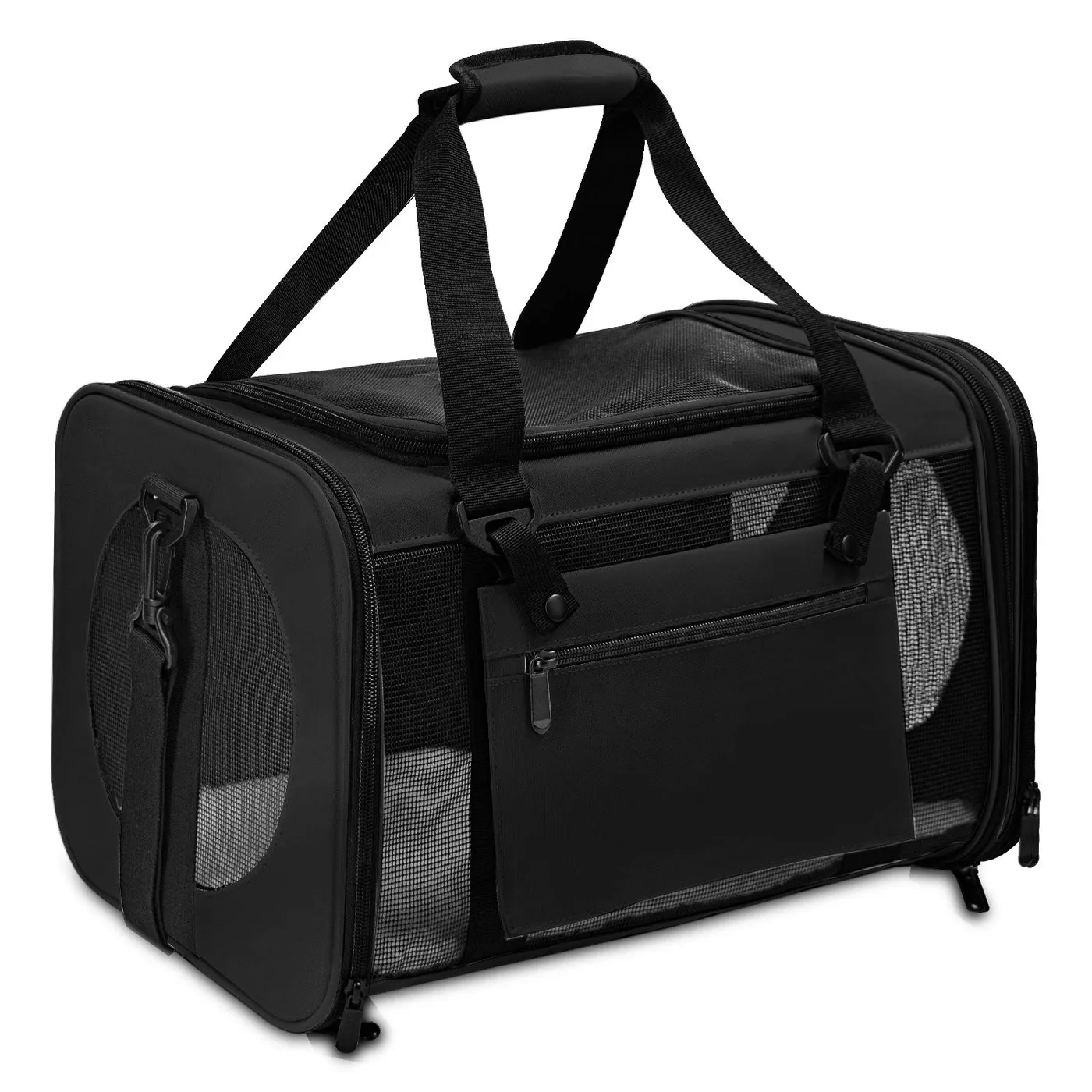
A carry bag closes the storage story. A branded bag in the range's fabric, sized to the folded pack with a little tolerance, protects the product, protects the customer's car and keeps the brand visible in a cupboard for years.
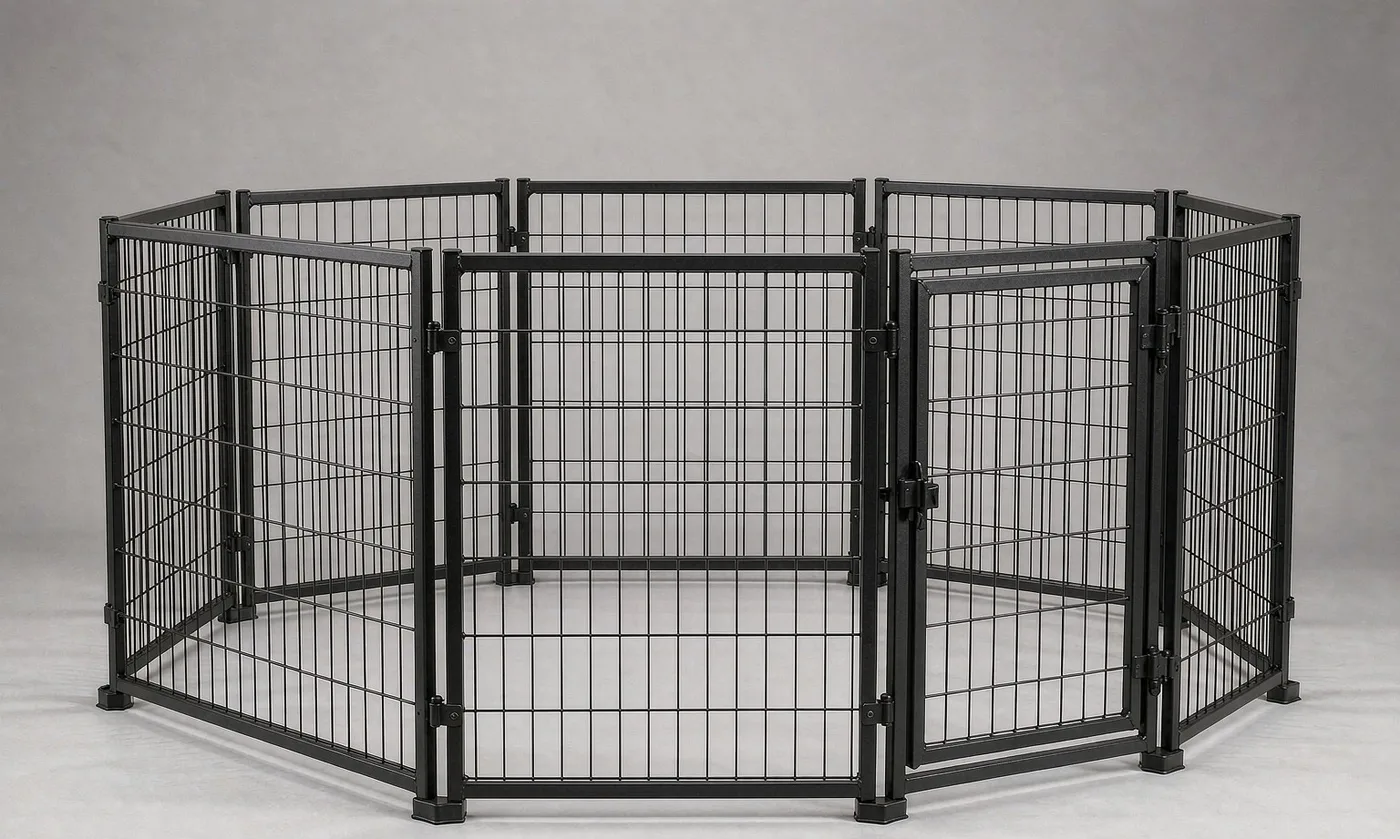
Materials: Mesh, Fabric and Frame Selection
Playpen materials divide by environment. An indoor pen is judged on appearance and floor friendliness; an outdoor pen is judged on weather resistance and anchoring. Brands that sell one product into both uses usually compromise both, which is why a two-product approach is worth considering.
Indoor panels favour a fabric or mesh-over-frame construction. A polyester mesh at 250-320 gsm over a steel or aluminium frame is light, quiet and visually soft, and it takes a printed or woven brand pattern across the full panel. The frame finish should match the rest of the home range so the pen reads as part of a collection.
Outdoor panels favour a welded or coated metal grid. It survives weather, resists chewing better than textile and cleans with a hose. Its weakness is appearance - an outdoor pen reads as equipment, which is acceptable in a garden and wrong in a living room.
Frame section choice determines both weight and stiffness. A round steel tube at 16-19 mm diameter with a powder coat is the volume standard; an aluminium section with an anodised finish saves roughly 30% of the frame mass and reads more premium, at a cost increase that is usually acceptable above the entry tier.
| Element | Indoor build | Outdoor build | Test target |
|---|---|---|---|
| Panel | Polyester mesh, 250-320 gsm | Coated welded grid | Abrasion 20,000 cycles |
| Frame | Steel tube, matched powder coat | Steel or aluminium, weather coat | 48 h salt spray |
| Joint | Moulded connector with pin | Metal pin with lock | 25 kg push, 500 cycles |
| Floor | Non-marking feet | Ground stakes plus feet | Hold on grass and hard standing |
| Door | Zipped fabric opening | Hinged gate panel | Above 35 N release |
Floor contact deserves deliberate specification indoors. Non-marking feet protect wood and laminate, and a small contact area means the pen does not trap grit against the floor. Outdoors, feet alone are not sufficient and the product needs stakes.
Abrasion on fabric panels should be specified above 20,000 Martindale cycles, verified against recognised textile methods published by AATCC, because a pen is leaned on, scratched at and rubbed repeatedly at the same few points.
Weather resistance for outdoor builds needs a stated salt spray result of at least 48 hours on coated parts, with welded joints sealed before coating. A garden product that rusts at the weld by the second season undermines every premium claim the brand makes elsewhere.
Anchoring, Stability and the Outdoor Reality
Outdoor pens fail at the ground. Wind, uneven surfaces and a leaning animal all act on the base, and a pen that walks across a lawn or tips in a gust is returned regardless of how well the panels are made.
Two anchoring systems should be provided. Ground stakes with a hooked profile hold on grass and soil; a weighted foot or a bolt-down plate works on patios, decking and hard standing. Supplying both in the box removes the assumption that every customer has a lawn.
Stake geometry matters more than stake length. A straight stake pulls out under a lateral load; an angled or hooked profile resists it. Specify a pull-out resistance figure and test it in damp soil rather than in dry ground, because that is the condition where pens actually fail.
Wind is the underestimated load. A solid panel presents a meaningful sail area, and a mesh panel presents far less. Where the product is sold into exposed gardens, a mesh panel is both a weight and a stability advantage, and that is worth saying on the pack.
Uneven ground needs tolerance in the design. A pen with rigid panels will rock on a slope; one with a small amount of joint play, or with adjustable feet on the corner panels, sits flat. Two adjustable feet are usually enough and they cost very little.
Testing should reflect the environment. A 25 kg lateral push at the mid-point of a panel on grass, on a patio and on a slight slope, with displacement under 30 mm, is a realistic acceptance criterion that maps to the complaint profile.
Two outdoor details round out the specification. A pen left out overnight collects dew and needs drainage, so a raised foot or a small gap at the base prevents standing water at the panel line. And a product that is moved seasonally benefits from a stake pouch on the carry bag, because loose stakes are the component most often lost between seasons.
Door Access, Latch and Daily Interaction
Every pen needs an access point, and the access design determines how pleasant the product is to live with. Two families exist and the choice should follow the environment rather than the cost sheet.
A zipped fabric opening suits indoor pens. It is quiet, light, has no hardware to catch and can be made generously wide. Its weakness is durability: a zip used several times a day needs a specified cycle life, a branded pull and a reinforced surrounding panel.
A hinged gate panel suits outdoor and larger pens. It is more robust, it allows a two-action latch and it can be opened with one hand while holding something. It adds a frame component and needs a latch specification of at least 35 N release force.
Opening width should be generous. An access point under 45 cm forces the owner to lift rather than walk an animal through, and lifting is what most customers are trying to avoid. A 55-60 cm opening is the practical target.
Latch noise deserves a line in the spec. A metal gate that clacks on every close is heard repeatedly through a day, and a polymer strike plate removes the complaint for a negligible cost.
The threshold matters indoors. A raised bottom rail at the door creates a trip edge for both the animal and the owner; a flush or low-profile threshold is safer and looks more considered.
One small feature earns disproportionate goodwill: a hold-open catch. A door that stays open while the owner steps in and out removes the daily fiddle that otherwise defines the ownership experience.
Branding Across a Modular System
A modular pen offers an unusual branding opportunity: the same surface repeated four, six or eight times. That repetition can be used deliberately, either as a repeating pattern across the whole run of panels or as a single feature panel within an otherwise quiet system.
The repeating approach suits brands with a strong pattern identity. A woven or printed ground pattern running across every panel reads as a designed environment rather than as a product, and it photographs well because the eye reads it as texture at distance.
The feature-panel approach suits brands with a strong mark. One panel carries the logo at scale, the rest carry a quiet ground tone. This is usually the better answer for premium positioning, because restraint reads as confidence and a repeated logo reads as promotional.
Hardware branding has outsized value here. The joint connector is the part a customer handles on every assembly, so a moulded or coined mark on the connector is touched repeatedly during setup - a rare moment of sustained brand contact.
The carry bag is the most visible long-term surface of all. A pen lives in its bag in a cupboard or a boot for most of its life, and a well-designed bag in the range's fabric keeps the brand present long after the product is put away.
Colour matching should be handled per substrate, with a Delta E tolerance for metal, textile and moulded components, and a physical approved plaque for each. Reference Pantone standards under controlled lighting so approvals are repeatable.
Safety and specification text belongs in one defined place - a woven label on the door panel or a recessed plate on the frame - so that it is legible at purchase and invisible in daily use.
Packaging, Transport and the Arrival Experience
A pen is long, heavy and multi-component, which makes packaging a cost decision as much as a presentation decision. The pack has to protect the frame finish, keep every component together and survive parcel handling without excessive volumetric weight.
Component containment is the first priority. Loose pins, stakes and feet arriving in a jumble create a poor first impression and, worse, a missing-part complaint. A labelled hardware bag fixed to the frame, plus a printed component checklist on the carton, solves both.
Corner and finish protection matters because a scratched frame is visible for the life of the product. Separating layers between panels and end caps on the carton are inexpensive and effective, and the shipper should be validated against a recognised transit protocol published by ASTM.
Volumetric discipline keeps the margin intact. A flat carton sized to the folded pack, with the carry bag placed in the void, removes wasted space at no extra cost and improves both freight and the customer's first impression.
Instructions should be photographic and numbered, with the most common configurations shown first. Where the product supports four, six and eight panels, show all three on one page so the customer understands the system immediately.
In-pack material should carry three things: the configuration diagram, the care and cleaning instruction, and a card for the expansion packs. The last of these is the highest-return printed item in the box, because it reaches a customer who has just assembled the product and understands the system.
One detail worth adding: print the folded dimensions on the outside of the carton. Storage is the question customers ask before buying, and answering it on the shelf shortens the decision.
Compliance, Testing and Retail Onboarding
Containment products attract technical scrutiny, and a complete documents pack assembled during sampling removes most of the onboarding friction. Five documents cover the questions a reviewer will ask.
The pack should cover joint strength with the method named, panel push resistance, door latch release force and cycle life, floor contact marking, and material composition for all contact surfaces. Where a structural claim is made, verification against recognised ASTM frameworks gives the brand a report a buyer recognises.
General consumer product expectations published by the U.S. Consumer Product Safety Commission cover labelling, traceability, small parts and entrapment, and they should be checked before artwork is finalised rather than after the carton is printed.
Entrapment deserves specific attention in a pen, because the geometry creates corners and gaps that a gate does not. Check every joint at every configuration angle and confirm that no gap exceeds the stated tolerance, including where two panels meet at an acute angle.
Process credibility supports the buyer conversation. Production running under a quality management system certified to ISO 9001 answers lot-to-lot consistency questions, and third-party verification through SGS produces reports in a format retail technical reviewers already recognise.
Retained samples close the loop. Hold one unit per production lot for twenty-four months, tagged with the batch code, so any query about a specific shipment can be answered with a physical item and its report within a day.
One more entry belongs in the pack: a configuration statement. Because a pen can be assembled in several shapes, the documentation should state which configurations were tested and at what span, so that the brand can honestly describe the approved arrangements on the pack and in the listing.
Range Planning: Pen, Gate and the Containment Ladder
A containment range works as a ladder. A gate solves a doorway, a playpen solves a room or a garden zone, and an exercise pen solves a larger outdoor area. Each step uses the customer's existing familiarity with the brand's finish and colour language, which is why sequencing matters more than breadth.
Start with the gate. It is the earliest and most universal purchase in a pet's life, and it establishes the finish language that the pen inherits. Launching a pen first leaves the brand without the visual reference that makes the pen recognisable on a shelf or in a listing.
Tiering within pens follows environment and materials. An entry tier uses a mesh panel, a moulded connector and a zipped door; a core tier adds a hinged gate panel, ground stakes and a carry bag; a premium tier moves to aluminium frame, weather coating and metal connectors. All three share the panel tooling.
| Sequence | SKU | Environment | Shared asset |
|---|---|---|---|
| 1 | Room gate | Doorways | Finish and colour standard |
| 2 | Indoor playpen | Living space | Fabric, finish, connector system |
| 3 | Expansion panels | Growing need | Panel tooling and finish |
| 4 | Outdoor exercise pen | Garden | Finish and anchoring system |
| 5 | Seasonal finish | Renewal | Frame tooling |
Expansion packs should be treated as a genuine revenue line rather than as an accessory. Listed separately, priced at a healthy margin and photographed with the assembled pen, they produce a second purchase from the warmest possible customer and require no new development.
Colourway strategy should keep one core neutral across the containment family and rotate accent finishes seasonally. Because a finish change does not alter the panel geometry, the joint or the latch, it requires no re-test and remains the cheapest form of newness available.
Timing follows the standard arithmetic: bulk at 35-50 days plus transit, landing eight weeks before the drop, which puts tech pack sign-off roughly five months ahead of the shelf date. Spring is the natural window, when households acquire young animals and gardens come back into use.
The measure at the end of season two is whether pen owners go on to buy expansion packs. If they do, the system is compounding and the next investment belongs in finishes and an outdoor variant rather than in a fourth structural product.
Order and quality terms
- MOQ 500 pieces per colourway; samples in 6-10 working days
- Bulk production 35-50 days after approval; AQL 2.5 inspection standard
- T/T 30/70 terms, FOB Xiamen, full document set per shipment
People Also Ask
How many panels should a custom playpen system offer?
Offer standard configurations of four, six and eight panels with two-panel expansion packs, all built from one standard panel geometry so panels can be added in any order.
What is better, a folding or a break-down playpen?
A concertina fold suits daily indoor use because it deploys in seconds; a break-down design suits outdoor and car-transported use because it packs smaller.
How strong should the panel joints be?
Specify a connector with a positive lock resisting 25 kg of lateral push without separation and surviving 500 assembly cycles. Friction-fit connectors separate within a season.
How should an outdoor pen be anchored?
Supply both hooked ground stakes for grass and soil and a weighted foot or bolt-down plate for hard standing, and specify a pull-out resistance tested in damp ground.
Should the door be zipped or hinged?
A zipped opening suits indoor pens for quietness and weight; a hinged gate panel suits outdoor and larger pens, with a latch release force above 35 N.
Can a playpen be branded across all panels?
Yes, either as a repeating ground pattern or with one feature panel carrying the mark at scale. The connector and the carry bag are the two most valuable additional surfaces.
Do expansion packs need new tooling?
No. They use the same panel and joint tooling as the base pen, which makes them the highest-margin second purchase in the containment range.
Frequently Asked Questions
What is the MOQ for a custom playpen?
MOQ is 500 units per colourway. Most brands open with the six-panel configuration in one finish and add four and eight panel sets in the second season.
How long does sampling take?
Prototypes are delivered in 6-10 working days from tech pack sign-off. Two rounds are standard: one for joint and fold geometry, one for materials, finish and graphics.
What is the bulk lead time?
Bulk runs 35-50 days from sample approval, released at AQL 2.5 and shipped FOB Xiamen on T/T 30/70 terms.
Which test reports come with a shipment?
Joint strength, panel push resistance, door latch release force and cycle life, floor contact marking and material composition for contact surfaces.
Can you match our brand colour across metal and fabric?
Yes, with a separate Delta E tolerance per substrate and an approved physical plaque for metal, textile and moulded components.
Will the pen damage wooden floors?
Not if non-marking feet are specified with a durometer and diameter requirement and a marking test. A small contact area also prevents grit being trapped against the floor.
How heavy is too heavy for a pen?
Above roughly 15 kg for an eight-panel pen, one-person deployment becomes difficult and usage frequency falls. Reduce weight in the frame section, never in the joint.
Do we need a carry bag?
Yes. It protects the product and the customer's car, and because the pen is stored in it for most of its life, it is the most visible long-term brand surface in the range.
What opening width should the door have?
Aim for 55-60 cm. Below 45 cm the owner has to lift an animal through, which is usually the thing they bought the product to avoid.
How do you handle entrapment risk?
Check every joint at every configuration angle and confirm no gap exceeds the stated tolerance, including where two panels meet at an acute angle.
Can we use the same tooling for indoor and outdoor versions?
Largely yes. Panel and joint tooling is shared, with differences in panel material, frame finish and anchoring hardware.
Should expansion packs be listed separately?
Yes. They are the highest-margin second purchase in the range and require no new development, so they deserve their own listing and photography.
When should a playpen launch in a containment range?
Second, after the gate. The gate establishes the finish and colour language that makes the pen recognisable on a shelf or in a listing.
Talk to QUANZHOU JUNYUAN BAGS about a pet carrier program: MOQ 500 pieces per colourway, samples in 6-10 working days, bulk production in 35-50 days under AQL 2.5 inspection.
Get a free quote Request a sample