Heart Shape Pet Carrier: Cute Design Guide
A heart shape pet carrier converts a two-dimensional symbol into a load-bearing volume, typically at 44-50 cm wide with a 12-18 cm cleft at the top. It is the most tool-dependent silhouette in the category: new dies, a shaped baseboard and a reinforced notch, putting the unit cost index at 138-162.
A heart shape is a gifting instrument before it is a carrier. Its commercial value is calendar-driven - Valentine's, Mother's Day, anniversary and holiday drops - and it earns its cost through margin and visibility rather than through volume. That changes how the programme should be run: short runs, tight launch windows, gift-grade packaging and a silhouette that must be legible from four metres on a crowded shelf.
- Sampling: shaped structural samples with the reinforced cleft and die-cut baseboard in 6-10 working days.
- Minimums: MOQ 500 units per colourway, rising to 800-1,200 where a full die-cut tooling set is required.
- Schedule: bulk production runs 35-50 days after sample approval, with die cutting adding a step to the process.
- Quality: silhouette symmetry, cleft reinforcement and seam path continuity are inspected to AQL 2.5.
- Terms: T/T 30/70, FOB Xiamen, with gift cartons quoted separately from the standard shipper.
- Design note: the cleft is the structural weak point and the reason the shape needs a real engineering round before the dies are cut, not after.
- Costing note: marker yield falls to 62-72 percent on heart panels, so material should be quoted on total programme spend rather than on unit price alone.
Personalized pet carrier work splits into two tracks: variable data such as a name, and fixed branding such as a woven label or patch.
Turning a symbol into a volume
A heart is a flat graphic that has to become a three-dimensional object with a floor, an interior, an opening and structural integrity. That translation is the entire design problem, and it starts with deciding which plane the symbol lives on.
The usual solution is to put the symbol on the front elevation and extrude it: the front and back panels are heart-shaped, and a gusset of 22-30 cm connects them. This is the most legible option, because the viewer sees the symbol straight on, and it is the one that reads correctly in a photograph and on a shelf facing.
The alternative is to put the symbol on the plan view - a heart-shaped floor - which produces a shape that reads as a heart only from directly above. That is a poor choice for retail, where the product is seen from the front, but it works for a floor-piece display or a social-media flat-lay shot.
Extruding the front elevation creates two immediate engineering problems. The first is the cleft: the concave notch at the top of the symbol, where the perimeter turns back on itself and the gusset has to reverse direction. The second is the point at the bottom, where two curves meet at an acute angle and there is almost no room for a seam allowance.
Both are solved in the pattern rather than on the machine. The cleft needs a reinforcement that carries tension across the notch - typically a shaped insert or a taped yoke spanning the opening - and the point needs either a bound seam with a 6-8 mm allowance or a small moulded tip.
The third consequence is the baseboard. A heart-shaped floor has to be die-cut, which means new tooling, and it has an unusual centre of mass: the two lobes make the unit prone to rotating rather than tipping. The board has to be cut with enough area in the lobe regions to keep it stable.
The fourth is the opening. A zip following the entire heart perimeter is possible but slow to sew and awkward to operate; the practical answer is a zip across the upper lobes with the cleft treated as a fixed decorative notch rather than as part of the opening.
Finally, the shape has to survive being packed. Novelty shapes do not nest, and a heart-shaped unit in a rectangular carton leaves large voids that have to be filled, or the lobes will crush in transit.
Heart shape as gifting architecture
Novelty shapes sell on occasion, and the heart is the strongest occasion shape in Western retail. That determines everything about how the programme should be planned: the calendar, the packaging, the price and the run length.
Calendar first. A heart programme has two or three sell-through windows a year, and missing one costs a season rather than a week. Working backwards from a mid-January shelf date, with 35-50 days of bulk production and 6-10 working days per sample round, development needs to begin four to six months ahead of the drop.
Packaging is where the shape earns its premium. A heart carrier shipped in a plain brown shipper has lost most of its gifting value; the same unit in a printed gift carton with a ribbon pull, a card and tissue converts at a materially higher rate. Gift packaging typically adds USD 1.80-4.20 per unit and supports a retail price 30-50 percent above the equivalent standard shape.
Price behaviour is different for novelty shapes. Customers do not compare a heart carrier against a rectangular one on dimensions - they compare it against other gifts. That means the value benchmark is a gift at the same price, not a carrier, and the product should be specified to that benchmark: better fabric, better hardware, better packaging.
Run length should be short and deliberate. Novelty sells on scarcity; a heart shape that sits in the range all year becomes wallpaper. The standard structure is a core programme plus a seasonal heart drop in a dedicated colourway, with the shape retired after the window.
Colour strategy should be decisive. Red is the obvious choice and the least interesting; a heart shape in a sophisticated palette - deep rose, burgundy, dusty pink, cream - reads as designed rather than as seasonal clutter, and it photographs better on social media, which is where the shape earns its visibility.
The risk is credibility. A novelty shape that compromises structure or ventilation to hold its silhouette is a welfare problem and a reputational one. The shape should never be bought at the expense of the base, the airflow or the opening.
Where a brand wants the symbolism without the full tooling commitment, a heart-shaped end panel or a printed heart motif on a standard shell delivers the association at a fraction of the cost - a legitimate middle path for a first seasonal test.
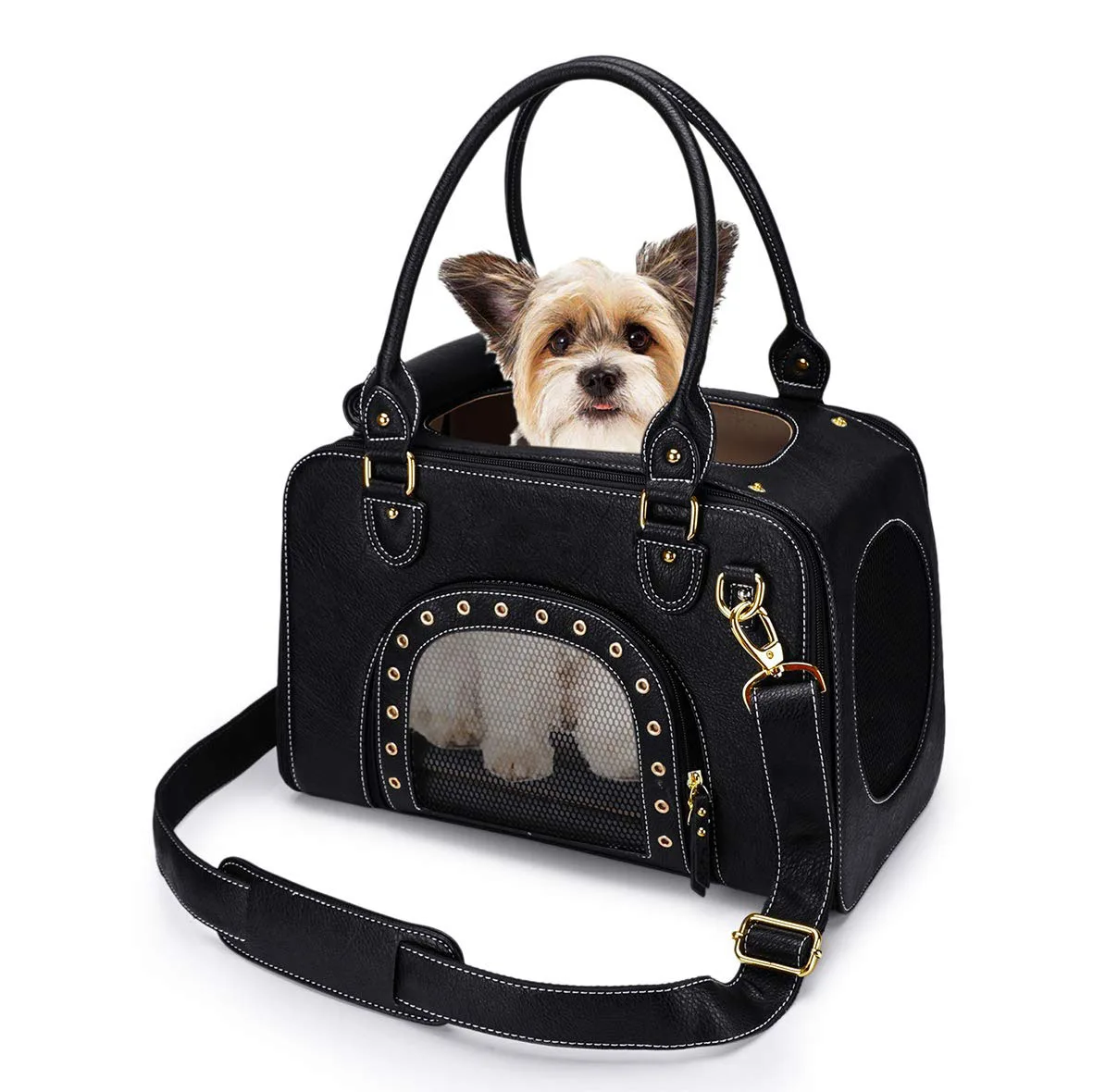
The cleft problem: structure at the notch
Every heart-shaped soft product fails at the cleft if the cleft is not engineered. The notch is a concave re-entrant corner: the perimeter changes direction sharply, tension concentrates at the base of the V, and the surrounding fabric has nothing to pull against. In a flat graphic that does not matter; in a sewn volume it is where the product tears.
Three solutions are in use. The first is a shaped insert - a piece of the gusset material cut to the cleft geometry and set into the notch, which distributes tension across a wider area. It is cheap, it preserves the silhouette, and it is the standard answer for mid-tier programmes.
The second is a taped yoke. A webbing tape runs across the opening of the notch, from one lobe to the other, hidden behind the binding. This is the strongest option and it is invisible from the front, but it flattens the cleft slightly and reduces the sharpness of the symbol.
The third is a moulded or stiffened notch, where a shaped PP insert is bonded inside the cleft. This holds the sharpest silhouette and is the premium choice, at a cost of roughly USD 0.60-1.40 per unit and a small tooling charge.
Reinforcement should be tested, not assumed. The standard check is a pull test at the base of the notch - apply 8-10 kg of separating force across the two lobes and hold for thirty seconds. Any visible deformation at the notch means the specification needs the next solution up.
Seam allowance at the cleft should be reduced to 6-8 mm and notched, for the same reason as on any tight concave curve: a standard allowance cannot absorb the direction change and will pucker.
The point at the bottom of the heart is the second weak area, though it is less loaded. A bound seam with a rounded tip of 10-15 mm radius, or a small moulded tip, prevents the fraying that otherwise appears after a season.
Because the notch and the tip are the two places a novelty shape fails, they should be named in the specification and inspected specifically rather than left to a general appearance check.
Silhouette legibility at distance
A novelty shape has one job on a shelf: to be recognised instantly. If a shopper has to look twice to see that it is a heart, the entire tooling investment has been wasted. Legibility is therefore a measurable design requirement, not a matter of taste.
The main variable is cleft depth. A shallow notch of 6-8 cm reads as a rounded shape with a dent; a notch of 12-18 cm on a 44-50 cm body reads unmistakably as a heart. Deeper than about 20 cm the lobes become narrow and the shape starts to read as two circles.
Lobe proportion is the second variable. The two upper lobes should each occupy roughly 30-35 percent of the total width, which gives the rounded shoulders the symbol needs. Lobes that are too small make the shape look like a triangle; lobes that are too large make it look like a cloud.
The bottom point should be decisive rather than sharp. A point with a 10-15 mm radius reads as a heart; a sharp mathematical point looks unfinished and, on a soft product, will not hold its shape anyway.
Contrast helps legibility enormously. A heart shape in a single colour against a busy shelf can lose its outline; a bound edge or a piping line in a contrast colour traces the silhouette and makes the symbol readable from across an aisle. This is the single most effective legibility upgrade available and it costs USD 0.40-0.90 per unit.
Background matters in photography. Novelty shapes photograph best against a plain, pale background with the unit centred and lit to produce a shadow that echoes the outline. On a cluttered background the symbol disappears, which is a common and avoidable campaign error.
Testing legibility is cheap and worth doing: print the silhouette at 15 percent of actual size, pin it to a wall, and walk to four metres. If it is not instantly named, adjust the cleft depth before tooling.
Finally, consistency across the range. If a heart shape appears in two sizes, both must use the same cleft depth and lobe proportion, or the smaller one will read as a different symbol entirely.
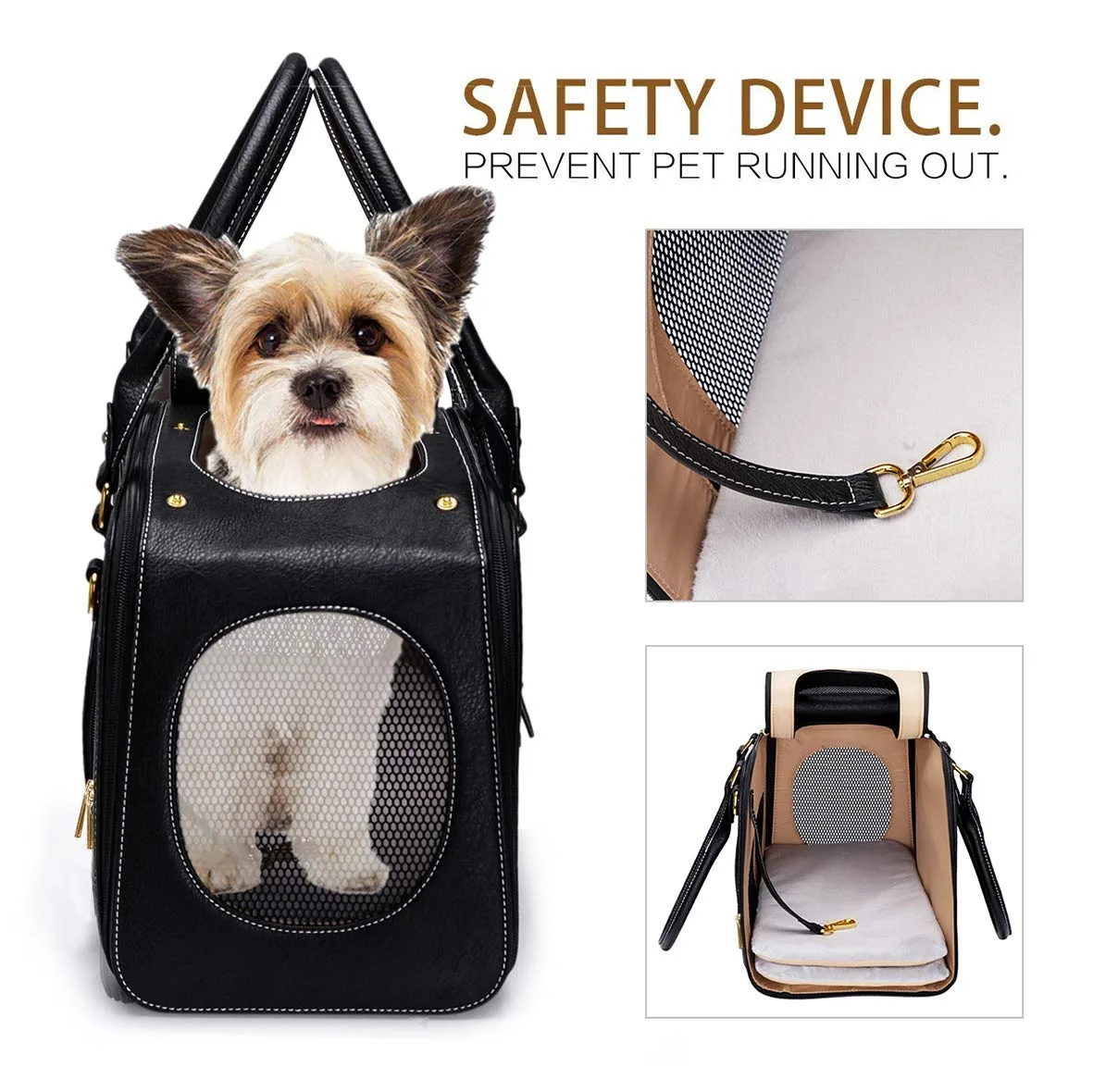
Heart variants: tooling, cost and yield
Novelty programmes are tooling-led, and the tooling is what separates them from every other shape in this guide. A heart shape needs die-cut panels, a die-cut baseboard, a shaped gusset path and usually a jig for cleft assembly. The table sets out the comparison on a private label basis quoted FOB Xiamen.
| Heart variant | Width | Cleft solution | Tooling / dies | Unit cost index | MOQ | Sampling |
|---|---|---|---|---|---|---|
| Soft heart, bound edge | 44 cm | Shaped fabric insert | USD 900-1,600 | 138 | 800 | 6-10 working days |
| Standard heart, contrast piping | 46 cm | Taped yoke | USD 1,100-1,900 | 146 | 800 | 6-10 working days |
| Premium heart, gift carton | 48 cm | Moulded PP notch | USD 1,400-2,400 | 162 | 1,200 | 8-10 working days |
| Heart-panel standard shell | 45 cm | None - printed motif | Existing dies | 104 | 500 | 6-10 working days |
| Standard rectangle (baseline) | 45 cm | Conventional gusset | Existing dies | 100 | 500 | 6-10 working days |
Marker yield is the second cost driver and the one that surprises people. Heart-shaped panels nest poorly - expect 62-72 percent against 85-90 percent for rectangles - so material consumption rises by 25-40 percent per unit. On a novelty shape that is acceptable because the retail margin is higher, but it should be in the costing from the start.
Sewing time is the third driver. A shaped perimeter with a re-entrant notch and a point runs 45-70 percent slower than a straight gusset, and unlike some curved work it does not improve much with repetition, because the difficult operations remain difficult.
The heart-panel variant in the fourth row deserves serious consideration. It delivers the symbolism through a printed or appliqued motif on a standard shell at index 104 and MOQ 500, and it is the right choice for a brand testing whether its customer responds to the theme before committing to shaped tooling.
MOQ behaviour follows tooling. Because the dies need amortising and the product is seasonal, novelty shapes are quoted at 800-1,200 units rather than 500. Brands that cannot absorb that should either use the motif route or share the drop across two seasons.
The offset is price. A well-executed heart shape in gift packaging supports a retail price 30-50 percent above an equivalent standard carrier, which is why the shape remains commercially rational despite the index.
Material and colour for a novelty shell
Novelty shapes are seen before they are touched, which reverses the usual priority: appearance and silhouette retention come first, hand-feel second. That does not mean materials can be poor - it means the material decision should be made for how it holds a shape rather than for how it feels.
Stiffness is the governing property. A floppy fabric will round off the cleft, soften the point and turn the heart into a blob within a season. Coated or calendered synthetics, resin-finished canvas and foam-laminated constructions all hold the outline; soft brushed fabrics and lightweight uncoated cotton do not.
Lamination is effectively mandatory on a novelty shell. A 3-4 mm closed-cell foam bonded to the cover fabric gives the panel the body it needs to hold a curve that changes direction, and it is what keeps the lobes rounded rather than collapsed. Where the unit must fold for shipping, a slip-pocket board is the alternative.
Piping is the material decision that does the most for the money. A contrast piping cord of 4-6 mm set into the perimeter seam traces the silhouette, reinforces the edge and makes the symbol legible from a distance. It adds USD 0.40-0.90 per unit and should be considered standard on novelty shapes.
Colour should be chosen for the occasion and for the photograph. Reds and pinks are obvious; the more commercially durable choices are deeper tones - burgundy, damson, dusty rose - which read as designed rather than as seasonal, and which photograph with more depth than a flat primary red.
Colour consistency matters because novelty shapes are bought as gifts and returned if they look wrong. Confirming the lab dip against a reference from Pantone and holding one dye lot per drop prevents the variation that a gift buyer will notice immediately.
Compliance is not optional and is more important here than usual, because seasonal product is often developed fast and bought by customers who have not researched the brand. Restricted-substance screening across fabric, foam, coating, inks and piping is the minimum, and the applicable consumer product requirements published by the Consumer Product Safety Commission should be reviewed for the destination market.
Wear points on a heart shape are the two lobe tops and the bottom tip, all of which contact the ground when the unit is set down. A heavier-denier band or a contrast patch at the tip is both functional and a design opportunity.
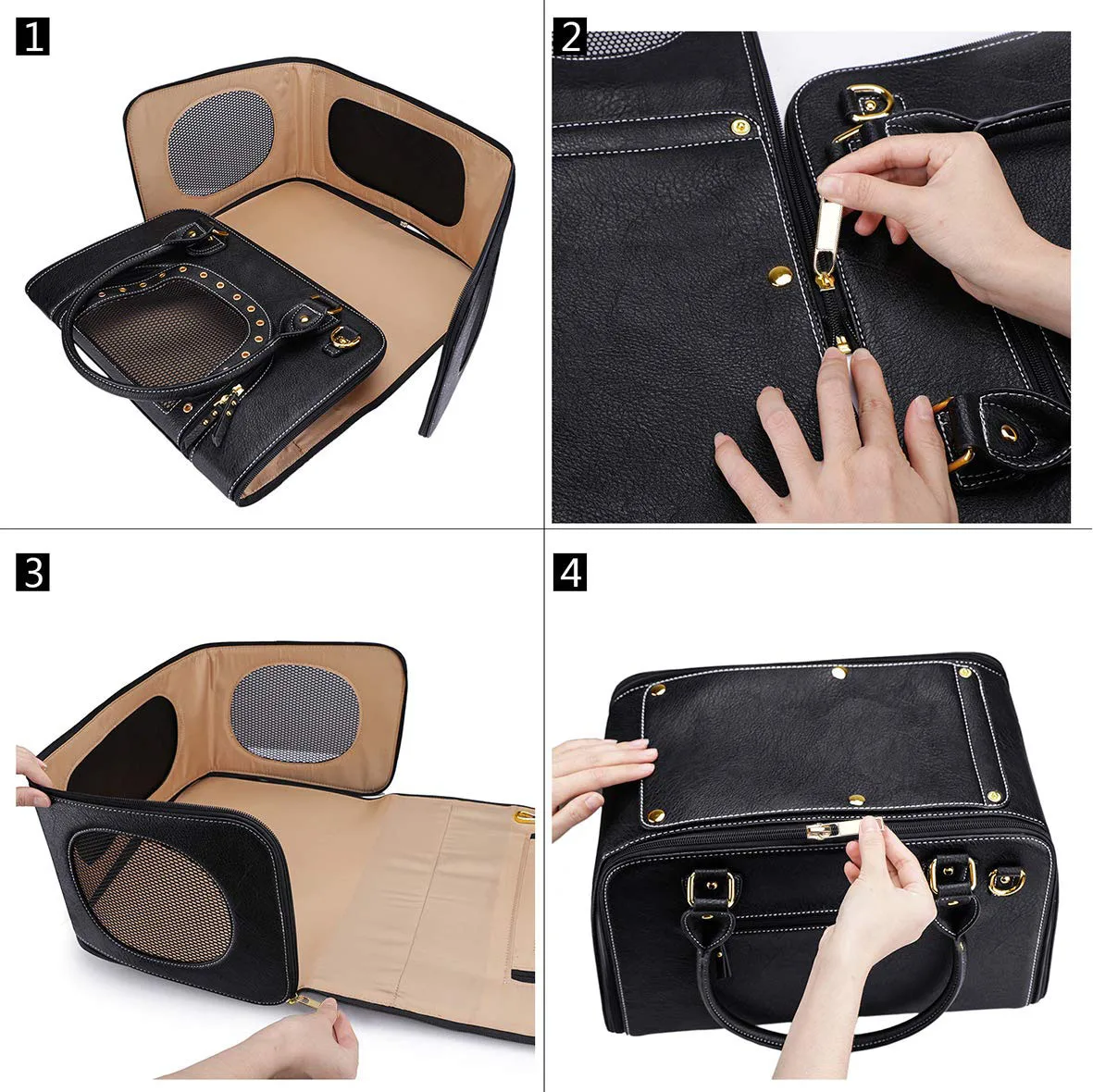
Printing and branding on a shaped body
Branding a heart shape requires restraint, because the silhouette is already the loudest thing on the product. Adding a large logo to a novelty shape produces visual noise and, worse, obscures the symbol that justified the tooling in the first place.
The default strategy is one small mark placed low on the front - roughly 15-20 percent up from the point - where it does not compete with the lobes. A woven label or a small embroidered mark of 30-45 mm is usually the right scale.
The back panel is the better branding surface, because it is a large uninterrupted heart shape that customers see when the unit is turned, and because leaving the front clean keeps the symbol pure. A printed motif, a repeated pattern or a care and specification print all work here.
Print method should account for the shaped perimeter. Screen print is viable on the flat central area of a lobe but not near the cleft or the point, where the panel curves tightly. Heat transfers and silicone patches conform better to shaped panels; embroidery should be limited to the centre of a lobe.
Interior branding is disproportionately valuable on novelty shapes. Because these are gifts that get opened in front of people, a printed lining, a woven label on the insert or a printed message card inside the unit is seen at exactly the moment the brand most wants to be remembered.
Packaging carries the rest. A gift carton with the mark on the lid, a printed belly band or a hangtag shaped to echo the silhouette all extend the brand without touching the product, and they can be reordered independently if the drop sells faster than expected.
One caution: artwork on a novelty shape should be proofed on the shaped panel, not on a rectangle. A mark that looks balanced on a flat swatch will often look off-centre once the panel narrows toward the point.
Finally, keep the identity system consistent with the rest of the range. A heart drop that uses a different logo treatment, different typography or a different colour language reads as a licensed product rather than as a brand extension.
Sampling, safety and inspection for novelty shapes
Novelty programmes need a safety round that standard shapes do not. The sequence is geometry, then structure, then decoration, then safety and compliance - and the fourth round is what protects the brand from the specific risk seasonal product carries.
Round one is geometry: the heart panels, the cleft solution, the die-cut baseboard, no decoration, in 6-10 working days. Judge it standing, at four metres, and photographed - because if the silhouette does not read in a photograph, the drop will not work online.
Round two is structure: the pull test at the notch, a load test on the base, and a pack test in the actual carton with the actual void fill. Novelty shapes fail in transit more often than in use, and the pack test is where that is caught.
Round three is decoration, with artwork proofed on the shaped panel. Round four is the compliance round - a pre-production unit from bulk materials sent for restricted-substance screening, with a report from a laboratory such as SGS issued against the written specification.
Safety deserves a specific note. A novelty shape must not compromise ventilation, base stability or escape resistance. Mesh area, opening security and interior clearance should be specified to the same standard as any functional carrier, and the shape should be rejected if it cannot meet them.
On the line, six gates are specific to heart shapes: cleft symmetry, cleft reinforcement integrity, point tip condition, silhouette symmetry left to right, piping continuity around the perimeter, and print placement relative to the point.
These are inspected to AQL 2.5 alongside the standard appearance criteria, and they are the defects that turn a gift into a return.
Finally, plan the exit. Seasonal novelty product should have a defined end date, a clearance plan and a decision rule for whether the drop repeats - because a heart shape that lingers into March is a markdown rather than an asset.
Why brands source here
- Pet carrier programs run since 2014; founding team in sewn goods since 2004
- SGS-verified production floor of 4,950 m² with 137 workers across 7 lines
- Monthly capacity of 200,000 units, audited to BSCI and ISO 9001
People Also Ask
Are heart shape carriers safe for pets?
Yes, provided the shape does not reduce ventilation, floor area or opening security. The silhouette is decorative; the interior still has to meet the same functional specification as any carrier.
How do you stop a heart bag losing its shape?
Laminate the panels with 3-4 mm closed-cell foam, add contrast piping at 4-6 mm around the perimeter, and use a coated or resin-finished fabric rather than a soft brushed one.
What colour sells best for a heart carrier?
Deeper tones - burgundy, damson, dusty rose - outsell flat primary red because they read as designed rather than as seasonal clutter, and they photograph with more depth.
Can a heart carrier be shipped flat?
Not meaningfully. The shape does not nest, so the carton must be sized to the assembled unit with void fill protecting the lobes and the point.
Is a printed heart motif better than a shaped shell?
For a first seasonal test, usually yes. It costs index 104 against 138-162, keeps MOQ 500, and tells you whether customers respond to the theme before you commit to die tooling.
How do I make the shape readable from across a shop?
Set cleft depth at 12-18 cm, give each lobe 30-35 percent of total width, and add contrast piping to trace the outline.
Frequently Asked Questions
How wide is a heart shape pet carrier?
Typically 44-50 cm across the lobes with a gusset depth of 22-30 cm. Below 44 cm the cleft is too small to read; above 50 cm the shape becomes awkward to carry and expensive to pack.
How deep should the cleft be?
12-18 cm on a 44-50 cm body. Shallower than 8 cm reads as a dent rather than as a heart; deeper than 20 cm the lobes narrow and the shape reads as two circles.
Why does the cleft need reinforcement?
It is a concave re-entrant corner where the perimeter reverses direction and tension concentrates. Without a shaped insert, a taped yoke or a moulded notch, the product tears at the base of the V.
What is the MOQ for a heart shape programme?
800-1,200 units per colourway, because the die-cut tooling needs amortising and the product is seasonal. A printed heart motif on a standard shell keeps MOQ 500.
How long does sampling take?
Each round takes 6-10 working days, with moulded-notch variants at 8-10 working days. Novelty programmes need four rounds: geometry, structure, decoration and compliance.
Why is marker yield lower on novelty shapes?
Heart-shaped panels nest poorly, at 62-72 percent against 85-90 percent for rectangles, so material consumption rises 25-40 percent per unit. It should be in the costing from the start.
What packaging does a novelty carrier need?
A printed gift carton with a ribbon pull, a card and tissue, typically USD 1.80-4.20 per unit. Gift packaging is what converts the shape from a carrier into a present.
What retail premium does a heart shape support?
Commonly 30-50 percent above an equivalent standard carrier, because customers compare a novelty shape against other gifts rather than against other carriers.
Where should the logo go on a heart shape?
One small mark low on the front, 15-20 percent up from the point, or on the back panel. Large logos on the front obscure the symbol the tooling was bought for.
Do novelty shapes compromise pet safety?
They should not. Mesh area, base stability, opening security and interior clearance must meet the same standard as any functional carrier, and the shape should be rejected if it cannot.
How is a heart production run inspected?
Six specific gates: cleft symmetry, cleft reinforcement integrity, point tip condition, left-right silhouette symmetry, piping continuity and print placement, all to AQL 2.5.
How should a heart shape be photographed?
Against a plain pale background, centred, lit to produce a shadow that echoes the outline. On a cluttered background the symbol disappears.
Should a heart shape stay in the range all year?
No. Novelty sells on scarcity. Use a core programme plus a seasonal heart drop in a dedicated colourway, and retire the shape after the window.
How far ahead should seasonal development start?
Four to six months before the shelf date, working backwards through sample rounds, the 35-50 day bulk run and freight.
Talk to QUANZHOU JUNYUAN BAGS about a pet carrier program: MOQ 500 pieces per colourway, samples in 6-10 working days, bulk production in 35-50 days under AQL 2.5 inspection.
Get a free quote Request a sample